Asia · Trade
China's Rare-Earth Shipments to Japan Drop 50 Percent After Export Controls
First-half 2026 data reveals Beijing's strategic use of critical minerals as diplomatic pressure intensifies across Asia-Pacific trade corridors
KEY TAKEAWAYS
- ·Chinese rare-earth exports to Japan fell approximately 50 percent and to the United States by nearly 30 percent in the first half of 2026 following new export restrictions.
- ·China controls about 70 percent of global rare-earth production and is using export quotas to apply economic pressure amid rising geopolitical tensions across the Asia-Pacific.
- ·Japanese manufacturers face rare-earth cost increases exceeding 20 percent while regional efforts to develop alternative supply chains remain years from commercial viability.
Sharp Decline in Critical Material Flows
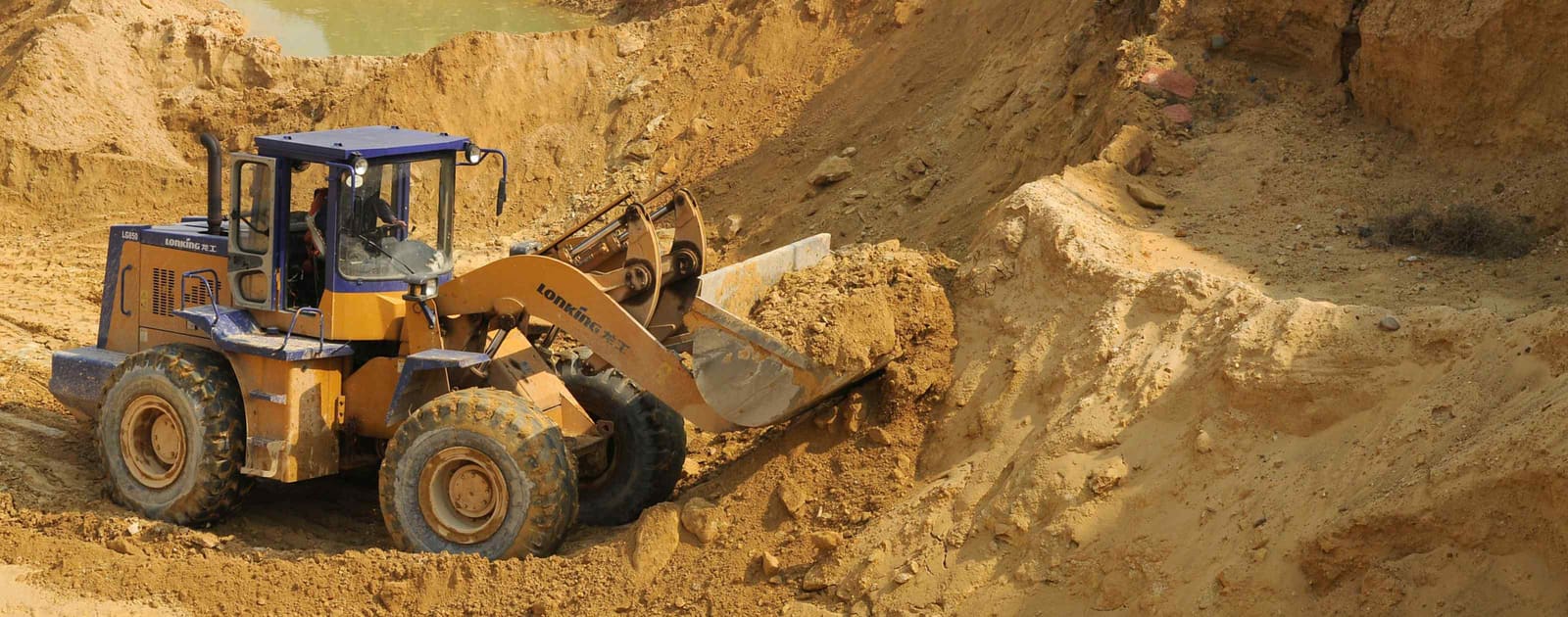
Chinese shipments of restricted rare-earth elements to Japan collapsed by approximately 50 percent during the first half of 2026, while exports to the United States contracted by nearly 30 percent over the same period, according to trade data. The figures provide concrete evidence of how Beijing deploys its dominance in critical minerals to exert economic pressure across geopolitical fault lines.
China controls roughly 70 percent of global rare-earth production, a strategic position it has increasingly weaponized in trade disputes and diplomatic standoffs. The elements are essential inputs for defense systems, electric vehicle motors, wind turbines, and consumer electronics manufacturing throughout Asia and beyond.
Asia's Supply Chain Vulnerability
The drop in Japanese imports is particularly acute. Tokyo has long relied on Chinese supply for rare earths used in advanced manufacturing sectors that underpin its export economy. The 50 percent contraction in just six months forces Japanese manufacturers to either absorb higher costs from alternative suppliers or reduce production volumes.
Japanese firms reported rare-earth cost increases exceeding 20 percent in recent surveys, a direct consequence of tightened Chinese export quotas and licensing requirements introduced in late 2025. The price gap between Chinese domestic markets and international spot prices has widened dramatically, creating arbitrage opportunities but also highlighting the fragmentation of global supply chains.
South Korea, Taiwan, and Southeast Asian electronics hubs face similar exposure. Regional manufacturers have limited near-term alternatives: rare-earth deposits exist in Australia, Vietnam, and India, but processing capacity remains concentrated in China. Establishing alternative refining infrastructure requires years of capital investment and regulatory approvals.
Strategic Calculus Behind the Restrictions
Beijing's export controls target specific rare-earth grades critical to military and high-tech applications. The restrictions function as a graduated pressure mechanism, allowing Chinese policymakers to calibrate economic pain without triggering full supply cutoffs that might accelerate diversification efforts.
The timing coincides with escalating tensions over semiconductor export controls, South China Sea maritime disputes, and defense cooperation frameworks across the Indo-Pacific. By constraining rare-earth flows, Beijing signals its willingness to disrupt supply chains that underpin regional security architectures.
The approach mirrors earlier Chinese restrictions on gallium and germanium exports, which sent prices soaring and forced electronics manufacturers to redesign products around substitute materials. However, rare earths present a more complex challenge due to their unique magnetic and catalytic properties, which have fewer direct substitutes in many applications.
Regional Response and Alternatives
Japan has accelerated efforts to extract rare earths from seabed deposits in its exclusive economic zone, a technically challenging and expensive proposition that remains years from commercial viability. The country is also pursuing resource diplomacy, strengthening ties with Ecuador and Mercosur nations that possess undeveloped rare-earth reserves.
India and Australia have announced joint processing ventures aimed at creating a non-Chinese supply corridor, but these projects face financing hurdles and environmental permitting delays. Vietnam's rare-earth sector, despite holding significant deposits, lacks the separation and refining expertise required to produce battery-grade and magnet-grade materials at scale.
The United States, which saw a smaller but still significant 30 percent decline in Chinese rare-earth imports, has expanded domestic mining initiatives and stockpiling programs. However, American rare-earth projects face labor cost disadvantages and community opposition that have stalled several high-profile developments.
Market Implications and Price Dynamics
Spot prices for neodymium and dysprosium, key elements in high-performance magnets, have surged more than 35 percent since the export restrictions took effect. Manufacturers in Japan, South Korea, and Taiwan are locking in long-term supply contracts with non-Chinese producers at premium prices, accepting higher input costs to ensure continuity.
The price divergence between Chinese domestic markets and international markets has reached historic highs, creating incentives for smuggling and gray-market trade. Customs authorities in Hong Kong and Southeast Asian ports have reported increased inspections of rare-earth shipments with unclear provenance.
Chinese rare-earth producers, meanwhile, are redirecting output to domestic battery and electric vehicle manufacturers, supporting Beijing's industrial policy goals. The reallocation strengthens China's position in downstream green-energy supply chains while constraining competitors' access to upstream materials.
What Comes Next
The first-half 2026 trade data establishes a new baseline for rare-earth flows in a fragmented global economy. Japanese and American buyers are unlikely to see a return to pre-restriction volumes without significant diplomatic concessions or breakthroughs in alternative supply development.
Regional governments are weighing the costs of rare-earth dependency against the timelines required to build independent processing capacity. The economics favor continued reliance on Chinese supply in the near term, but the strategic risks are pushing policymakers toward expensive diversification programs.
Beijing's rare-earth leverage is most effective when applied gradually. Sudden, complete cutoffs would accelerate the very supply-chain decoupling Chinese officials seek to avoid. The current restrictions impose measurable costs on competitors while preserving China's role as the dominant supplier, a balance that serves Beijing's broader economic and diplomatic objectives.
RELATED STORIES

Manila Eyes Nickel Processing to Escape China's Price Control
Priyanka V. Rao · 4 min

Asian Tech Stocks Surge as Weak US Jobs Data Dims Rate Hike Outlook
Cheng Wei-Lun · 4 min
Shein Retreats From Vietnam Warehouse Bet as China Manufacturing Proves Irreplaceable
Cheng Wei-Lun · 4 min

Shein Scales Back Vietnam Expansion, Reinforces China Manufacturing Base
Cheng Wei-Lun · 3 min
Spot something wrong? Email editor@briefasia.com. We log every correction publicly.