Asia · Politics
China's Politburo Opts for Targeted Measures Over Broad Stimulus
Midyear leadership meeting reveals shift toward precision policy tools as Beijing balances growth stability with structural reform pressures
KEY TAKEAWAYS
- ·China's Politburo midyear meeting indicated leadership preference for targeted interventions over broad stimulus measures to manage economic trajectory
- ·The measured approach reflects concern about local government debt and asset bubbles that plagued earlier large-scale spending programs
- ·Regional supply chains from Vietnam to Malaysia face steadier but potentially slower Chinese demand as Beijing prioritizes sustainable growth
A Strategic Recalibration
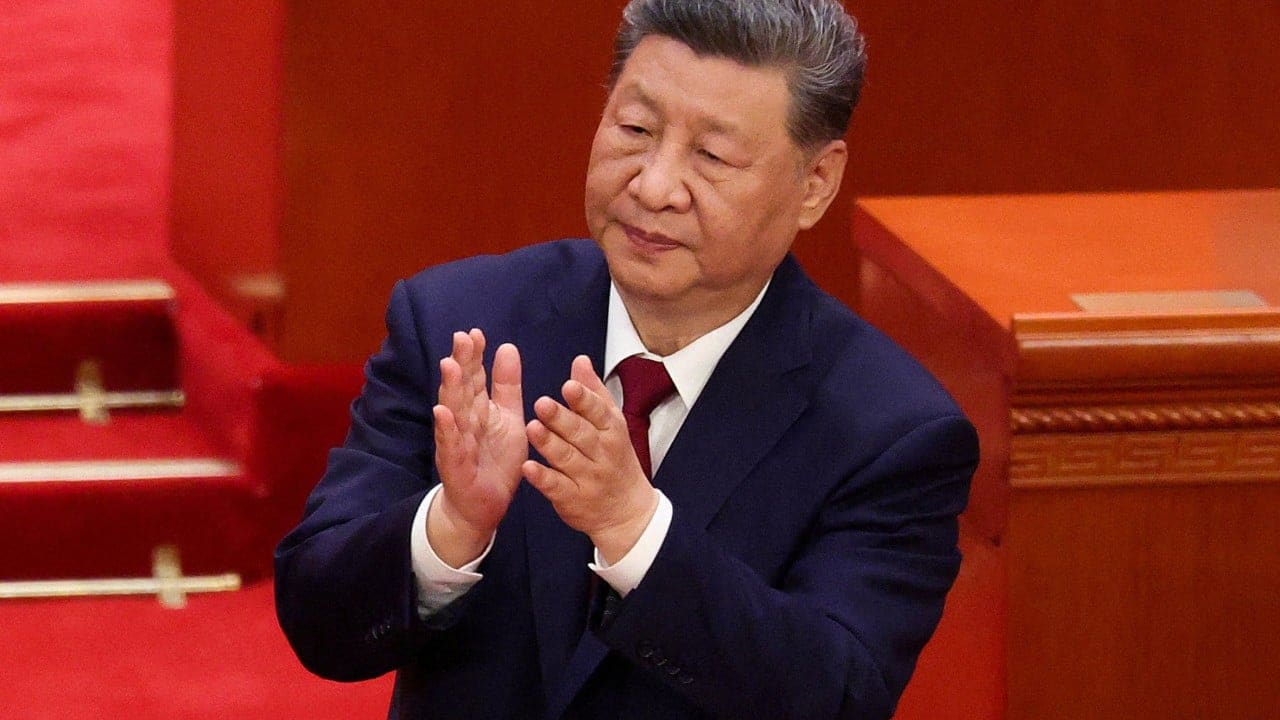
Beijing's annual midyear Politburo gathering has delivered its verdict on China's economic trajectory, and the message is one of deliberate restraint. Rather than reaching for the broad monetary and fiscal levers that defined earlier crisis responses, the country's top policymakers are signaling preference for surgical interventions aimed at specific sectors and pain points.
The meeting serves as the central government's pivotal moment to evaluate performance across the first six months and recalibrate expectations for the remainder of the year. This year's readout suggests leadership confidence remains tempered by realism, a notable departure from the aggressive pump-priming that marked responses to previous slowdowns.
Steady Over Sweeping
The language emerging from the closed-door session points to continuity rather than course correction. Policymakers appear committed to maintaining current policy settings while deploying targeted support where vulnerabilities emerge. This stands in contrast to the large-scale infrastructure spending and credit expansion that characterized Beijing's playbook during earlier periods of economic stress.
The approach reflects a maturing understanding of China's structural challenges. Blanket stimulus measures risk inflating asset bubbles and adding to local government debt burdens that already strain provincial balance sheets across the country. Precision tools, by contrast, allow authorities to direct resources toward consumption support, technology sectors facing external headwinds, or specific manufacturing clusters without flooding the entire economy with liquidity.
Regional Implications
For Asia's interconnected supply chains, the tone from Beijing carries weight beyond China's borders. A measured Chinese growth path means steadier but potentially slower demand for intermediate goods from Vietnam, Thailand, and Malaysia. Export-dependent economies that rode China's infrastructure booms may need to diversify end markets more urgently.
Financial markets across the region have already begun pricing in a scenario where Beijing prioritizes quality over velocity. Equity investors in Hong Kong and Singapore are recalibrating expectations for Chinese consumer stocks, while commodity traders in Tokyo and Seoul watch for signals about infrastructure spending that drives steel and copper demand.
The Confidence Question
The characterization of "cautious confidence" matters. It suggests policymakers believe the economy can sustain current momentum without emergency intervention, but also acknowledge risks that prevent outright optimism. Property sector stabilization remains incomplete, youth unemployment continues to challenge social stability assumptions, and external demand faces uncertainty from shifting trade relationships.
This middle-ground assessment gives Beijing room to maneuver. If data deteriorates sharply in coming quarters, the government retains fiscal and monetary capacity to respond. If conditions improve, the restrained approach avoids the overheating and misallocation that plagued earlier stimulus cycles.
What Steady Means in Practice
Targeted measures likely include consumption vouchers in specific cities, tax relief for small manufacturers, and continued support for semiconductor and electric vehicle supply chains deemed strategic. These interventions address immediate pressures without committing to multi-year infrastructure programs that lock in spending obligations.
The property sector, responsible for roughly one-quarter of economic activity, remains a focal point. Rather than broad purchase subsidies, authorities appear inclined toward localized inventory reduction programs and selective easing of mortgage restrictions in cities where markets have overcorrected.
For foreign businesses operating in China, the policy stance suggests a more predictable environment than the stop-start patterns of recent years. Growth may underwhelm bullish forecasts, but the risk of abrupt policy pivots diminishes when leadership signals satisfaction with current settings.
The Path Forward
As the second half unfolds, execution will matter more than pronouncements. Beijing's challenge lies in maintaining stability without sacrificing the structural reforms needed for long-term health. That means tolerating slower growth while rebalancing toward consumption, managing local government debt without triggering defaults, and supporting strategic industries without distorting markets beyond repair.
Regional economies watching from Tokyo to Jakarta will take their cues accordingly. A China that grows steadily at a lower gear creates different opportunities and pressures than one lurching between stimulus and tightening. For now, Beijing has chosen the former path, and Asia will adjust its expectations to match.
RELATED STORIES
China's August Inflation Accelerates on Energy and Typhoon Disruption
Tran Quoc Bao · 2 min

GAC and FAW Explore Merger of Toyota Joint Ventures in China
Cheng Wei-Lun · 3 min
India's Chinese Import Bill Climbs Despite Self-Reliance Push
Priyanka V. Rao · 3 min
China Imposes Anti-Dumping Measures on Japanese Semiconductor Chemical Imports
Jun-ho Seo · 3 min
Spot something wrong? Email editor@briefasia.com. We log every correction publicly.