Asia · Trade
China's July Export Surge Masks Domestic Weakness as Chip Sales Nearly Double
Semiconductor shipments jumped 100% year-over-year as global AI infrastructure spending drives demand for Chinese high-tech goods, but traditional sectors continue to struggle
KEY TAKEAWAYS
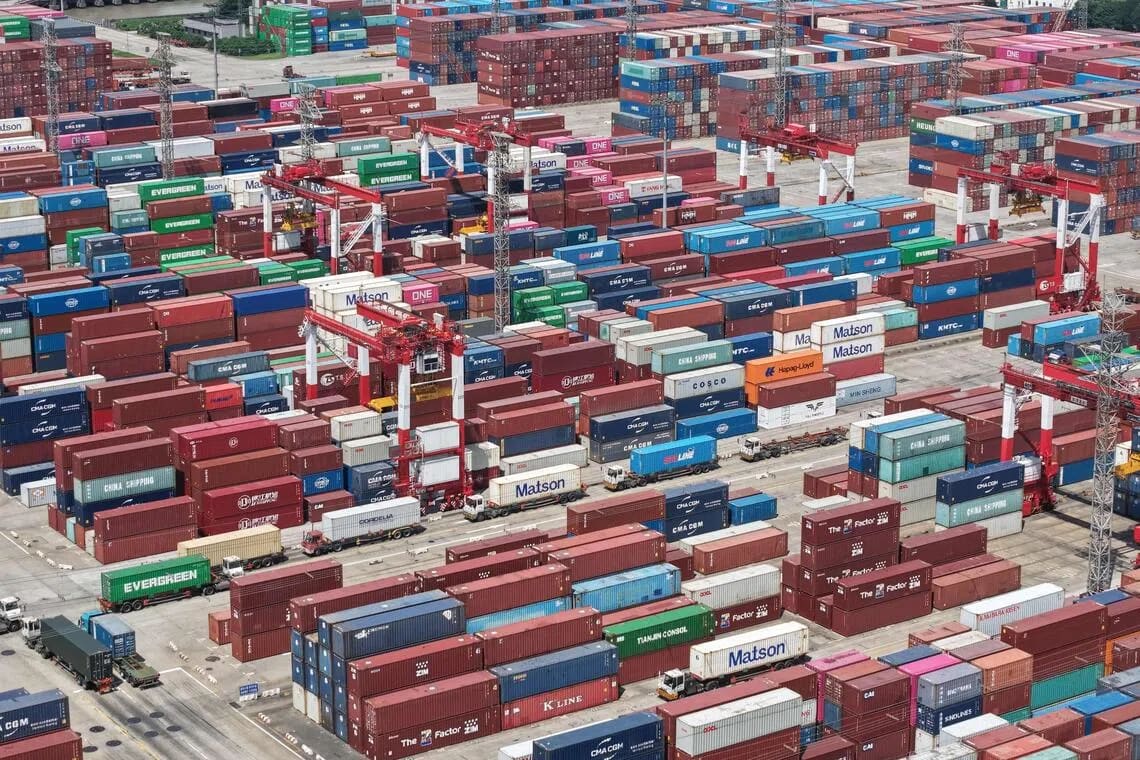
- ·China's July exports rose 23.9 per cent year-on-year to beat forecasts, with semiconductor shipments nearly doubling and high-tech products jumping 40.7 per cent.
- ·The trade surplus narrowed to USD 112.5 billion as imports climbed 27.5 per cent, keeping the country on track for a second consecutive year above USD 1 trillion in surplus.
- ·Strong export performance may delay policy support for domestic consumption and property markets, as manufacturing strength helps Beijing meet growth targets without structural reforms.
Export Growth Remains Strong Amid Tech Boom
China's outbound shipments climbed 23.9 per cent in July compared with the same month last year, according to customs data released August 7. The figure came in above market expectations of 22.2 per cent and marks a slight deceleration from June's 27 per cent expansion.
Semiconductor exports nearly doubled in value terms year-on-year, while broader high-tech product shipments jumped 40.7 per cent, customs data showed. The performance underscores how China's manufacturing base is capturing a disproportionate share of global spending on artificial intelligence infrastructure, even as other parts of its economy sputter.
Inbound shipments rose 27.5 per cent from July 2025, roughly in line with analyst forecasts and down from June's 36 per cent surge. The trade surplus narrowed to USD 112.5 billion in July from USD 125.62 billion the previous month.
Diverging Fortunes Across Sectors
The customs figures lay bare the uneven trajectory of the world's second-largest economy. While advanced manufacturers ride the AI wave, legacy industries face headwinds. Ceramic exports plunged 28.3 per cent year-on-year in July, highlighting weak demand for traditional goods.
China's leadership signaled its priorities in late July, calling for accelerated transition from old growth drivers to new ones. The language points to continued policy emphasis on semiconductors, electric vehicles, and other high-value sectors that Beijing views as strategic.
First-half GDP growth came in at 4.7 per cent, keeping the full-year target of 4.5 to 5 per cent within reach. Yet second-quarter expansion slowed to 4.3 per cent as sluggish consumption and an investment downturn offset manufacturing strength.
External Reliance Brings Trade Friction
China's outbound shipments have become a critical pillar supporting headline growth amid weak domestic demand. That dependence carries risk. The country's trade surplus is on track to exceed USD 1 trillion for a second consecutive year, a figure that continues to generate friction with major trading partners.
The European Union is evaluating additional measures to address its bilateral trade deficit with China. Meanwhile, Beijing and Washington have exchanged trade restrictions ahead of a leaders' summit expected in September, with both sides seeking leverage.
Chinese officials have repeatedly pledged to expand imports and promote balanced trade, but the gap between exports and imports remains wide. Trading partners worry that the flood of competitively priced Chinese goods disrupts their own manufacturing bases.
Policy Implications
The resilience of exports may paradoxically delay structural reforms aimed at rebalancing China's economy toward consumption. With factories running and shipments flowing, policymakers face less immediate pressure to roll out aggressive stimulus for households or shore up social safety nets.
Analysts at Macquarie noted that Beijing's support for domestic consumption and the property market is likely to remain restrained as long as exports and manufacturing help the economy hit annual growth targets. That calculus leaves consumer spending and residential investment on the back burner, even as both sectors show signs of entrenched weakness.
The question facing China is whether high-tech exports can indefinitely compensate for structural drags elsewhere in the economy. Semiconductor demand tied to AI infrastructure build-outs has proven robust so far, but that tailwind depends on continued global capital expenditure cycles that may prove cyclical rather than secular.
For now, the export engine continues to hum. Whether it can carry the economy through a period of domestic adjustment remains the central tension in China's growth story.
RELATED STORIES
China's Consumer Prices Rise at Slowest Pace in Seven Months
Cheng Wei-Lun · 4 min

China's Star Fund Managers Lose Ground After Rotating Into AI Stocks
Cheng Wei-Lun · 4 min

State Funds Step In as AI Volatility Tests China's Bull Market Strategy
Cheng Wei-Lun · 3 min
Shein Retreats From Vietnam Warehouse Bet as China Manufacturing Proves Irreplaceable
Cheng Wei-Lun · 4 min
Spot something wrong? Email editor@briefasia.com. We log every correction publicly.