Finance · Markets
State Funds Step In as AI Volatility Tests China's Bull Market Strategy
Beijing's "national team" of state-backed investors moves to stabilize tech shares amid valuation concerns and record ETF inflows
KEY TAKEAWAYS
- ·China's state-backed investment funds have intervened to stabilize artificial intelligence stocks experiencing sharp volatility, with tech ETFs drawing record inflows amid concerns over elevated valuations.
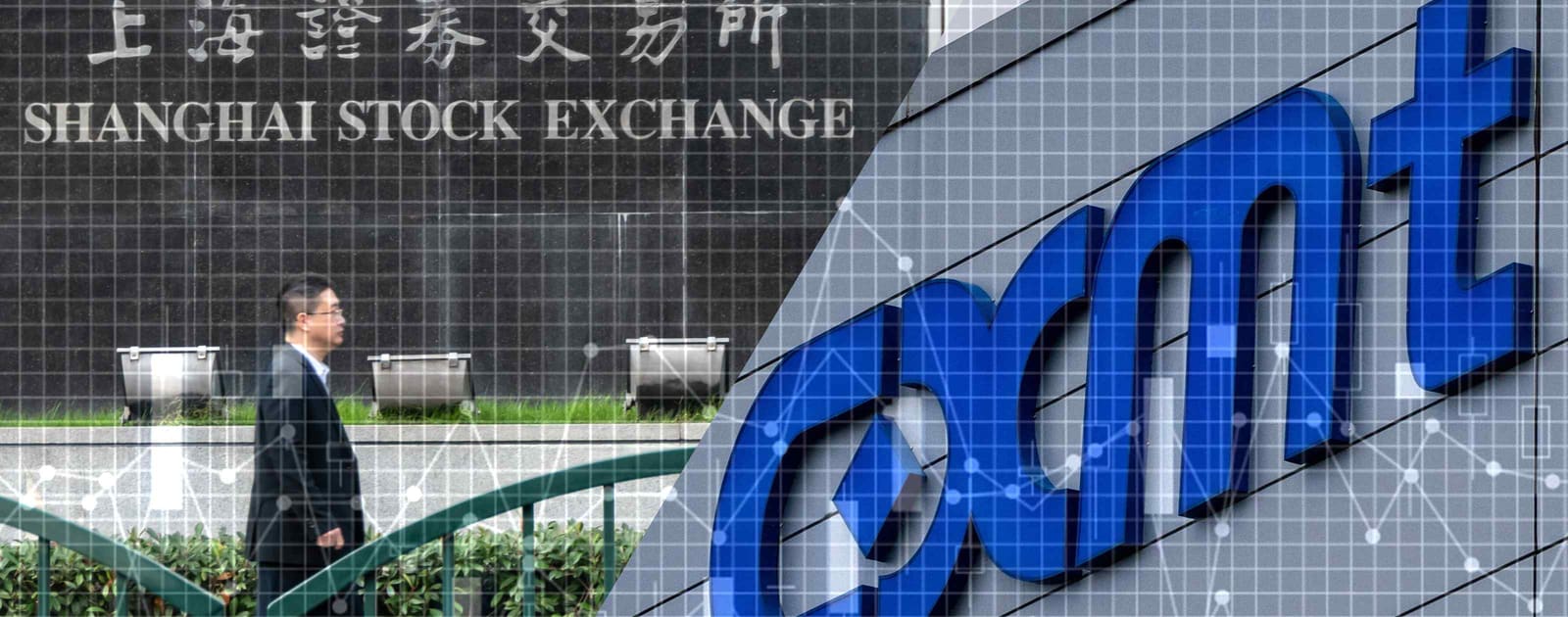
- ·Memory chip maker CXMT surged 465% on its July 26 debut, briefly exceeding Intel's market cap, while global PC makers began adopting CXMT chips during a memory shortage.
- ·Beijing's national team aims to sustain a long bull market through coordinated support, but faces challenges balancing innovation enthusiasm with speculative excess and competitive pressures.
The National Team Returns
China's state-backed investment apparatus, colloquially known as the "national team," has re-emerged as a stabilizing force in domestic equity markets, targeting artificial intelligence stocks that have experienced sharp swings in recent weeks. The intervention comes as Beijing attempts to maintain what officials describe as a "long bull" market, a sustained upward trend engineered through coordinated policy and capital deployment.
The funds became publicly visible in mid-July, appearing in market data around the time memory chip maker CXMT prepared for its initial public offering. CXMT's debut on July 26 saw shares surge 465% on the first day of trading, briefly pushing the company's market capitalization above Intel's, according to exchange data. The listing provided a significant boost to the STAR Market, Shanghai's answer to Nasdaq, but also intensified concerns about valuation levels across China's technology sector.
Volatility Rattles Tech Investors
Artificial intelligence stocks have become a focal point of both enthusiasm and anxiety in Chinese markets. Technology-focused exchange-traded funds recorded unprecedented inflows as retail and institutional investors chased exposure to the sector, betting on China's push for self-sufficiency in semiconductors and advanced computing.
Yet the rally has been punctuated by sharp corrections. Nvidia and other major technology stocks experienced significant declines after a Chinese AI model demonstrated capabilities that sparked competitive fears, according to market observers. South Korean equities, heavily weighted toward semiconductor manufacturers, also saw steep drops that erased earlier AI-driven gains, reflecting broader regional nervousness about the sector's momentum.
Beijing's Stabilization Playbook
The national team's intervention follows a familiar pattern in Chinese capital markets. State-backed funds, including entities managed by China's sovereign wealth fund and policy banks, have historically stepped in during periods of market stress to prevent disorderly selloffs and maintain investor confidence.
This time, the focus is on technology ETFs and individual AI-related stocks. By absorbing selling pressure and signaling official support, these funds aim to smooth out volatility while allowing the broader upward trend to continue. The approach reflects Beijing's dual priorities: encouraging capital formation in strategic industries while preventing the kind of speculative excess that triggered the 2015 market crash.
Supply Chain Shifts Add Complexity
The volatility coincides with structural changes in the global technology supply chain. HP, Asus, and Acer have begun incorporating CXMT chips into their products amid a broader memory shortage, according to industry sources. The shift represents a significant milestone for China's domestic semiconductor industry, which has faced years of export controls and technology restrictions from the United States and its allies.
Memory chip supply constraints have created an opening for Chinese manufacturers to gain market share, but also raise questions about pricing power and long-term competitiveness. CXMT's rapid valuation increase reflects both genuine supply-demand dynamics and speculative positioning, making it a focal point for both national team stabilization efforts and investor caution.
The Long Bull Challenge
Beijing's goal of a sustained, stable market advance faces inherent tensions. Artificial intelligence and semiconductor stocks carry high valuations by traditional metrics, leaving them vulnerable to sentiment shifts and profit-taking. At the same time, state backing can create moral hazard, encouraging riskier bets by investors who assume official support will limit downside.
The national team's visible presence may stabilize day-to-day trading, but it cannot resolve underlying questions about earnings growth, competitive positioning, or the pace of technological advancement. As Hong Kong prepares for an IPO from Moonshot AI, developer of the Kimi K3 model that has drawn comparisons to leading Western AI systems, the market must reconcile genuine innovation with elevated expectations.
For now, state funds are providing the buffer Beijing seeks, absorbing volatility and keeping the long bull narrative intact. Whether that strategy can endure through earnings cycles and global competitive pressures remains the central question for China's technology investment story.
RELATED STORIES

China's Star Fund Managers Lose Ground After Rotating Into AI Stocks
Cheng Wei-Lun · 4 min

Hong Kong and China Regulators Announce Market Integration Reforms
Cheng Wei-Lun · 3 min

Unitree Robotics IPO Oversubscribed 2,700 Times as Investors Bet on China's Robot Push
Cheng Wei-Lun · 3 min

Asian Tech Stocks Surge as Weak US Jobs Data Dims Rate Hike Outlook
Cheng Wei-Lun · 4 min
Spot something wrong? Email editor@briefasia.com. We log every correction publicly.