Asia · Trending
China's Inflation Slips Below Forecasts as Domestic Demand Lags
Consumer and producer price growth slowed in July despite export strength, underscoring the persistent challenge of weak household spending in the world's second-largest economy.

KEY TAKEAWAYS
- ·China's consumer price index rose 0.5% year-on-year in July, the slowest pace since January and below the 0.8% forecast, while producer prices climbed 3.5%, down from 4.1% in June.
- ·Weak household spending continues to drag on growth despite strong exports, prompting the Politburo to signal stronger fiscal measures in late July to stimulate domestic demand.
- ·Trade data showed exports and imports surging in July, driven by AI-related technology products, but reliance on external demand alone poses risks if global conditions deteriorate.
Inflation Falls Short of Expectations
China recorded weaker-than-anticipated price growth in July, with consumer inflation rising 0.5 per cent year-on-year, according to the National Bureau of Statistics. The figure fell short of the 0.8 per cent consensus forecast and marked the slowest advance since the start of the year, highlighting the fragility of domestic demand in the world's second-largest economy.
Factory-gate prices also lost momentum. The producer price index climbed 3.5 per cent year-on-year in July, down from 4.1 per cent in June and below the 3.8 per cent market projection. The synchronized deceleration across both consumer and wholesale price measures points to a broader cooling in economic activity, even as certain sectors continue to show resilience.
The Household Spending Gap
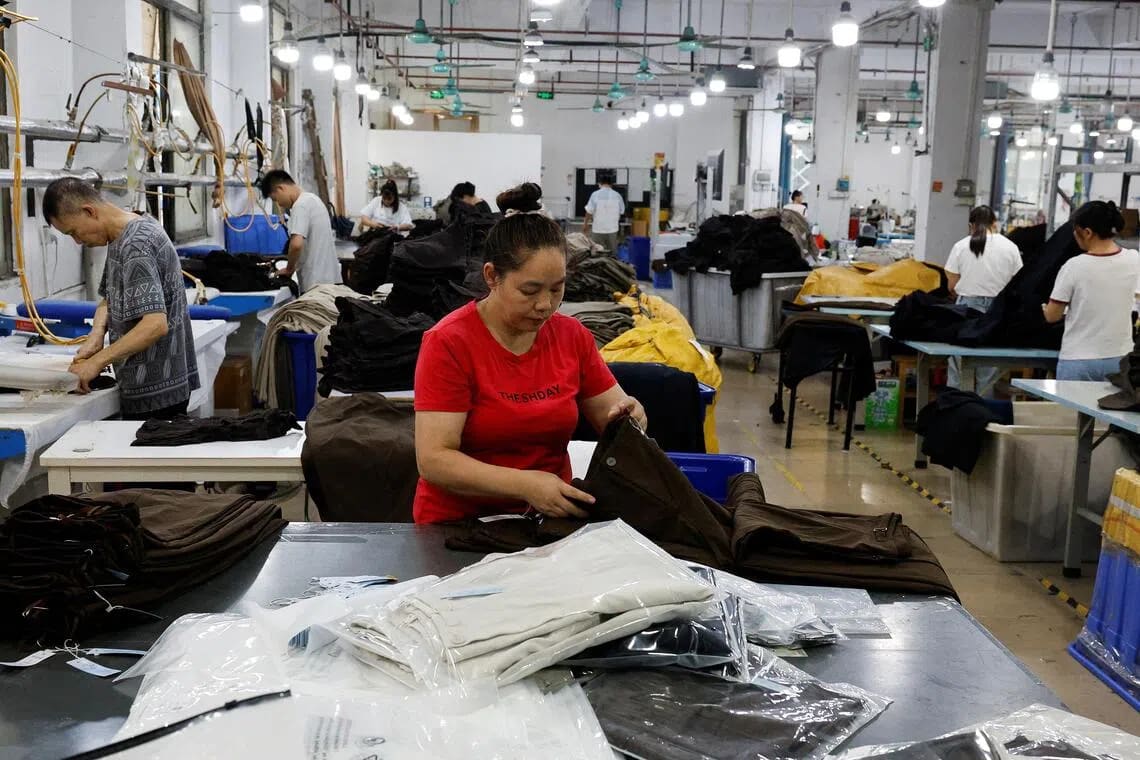
Sluggish consumption has remained a thorn in Beijing's side for several years. While exports and advanced manufacturing have delivered robust gains, household spending has failed to keep pace, creating an imbalance that many economists view as unsustainable over the long term.
The traditional pillars of Chinese growth - real estate development and large-scale infrastructure projects - no longer provide the same lift they once did. Analysts have long argued that a structural shift toward consumption-led expansion is essential if China is to maintain its growth trajectory without relying indefinitely on external demand and state-directed investment.
Yet households remain cautious. Youth unemployment, property market uncertainty, and uneven income growth have all contributed to a reluctance to open wallets. The result is deflationary pressure that persists despite periodic policy interventions.
Policy Response Takes Shape
In late July, the Communist Party's Politburo convened and signaled a readiness to deploy stronger fiscal measures. Zhiwei Zhang, President and Chief Economist of Pinpoint Asset Management, noted that economic momentum softened in the second quarter and that policymakers are now preparing a more aggressive spending push.
"A couple of months are needed to assess how it may boost domestic demand," Zhang wrote in a note following the release of Sunday's data. The Politburo's tone suggests Beijing recognizes the urgency of the situation, but the lag between policy announcement and tangible impact means any turnaround in consumption will take time to materialize.
Export Strength Masks Weakness
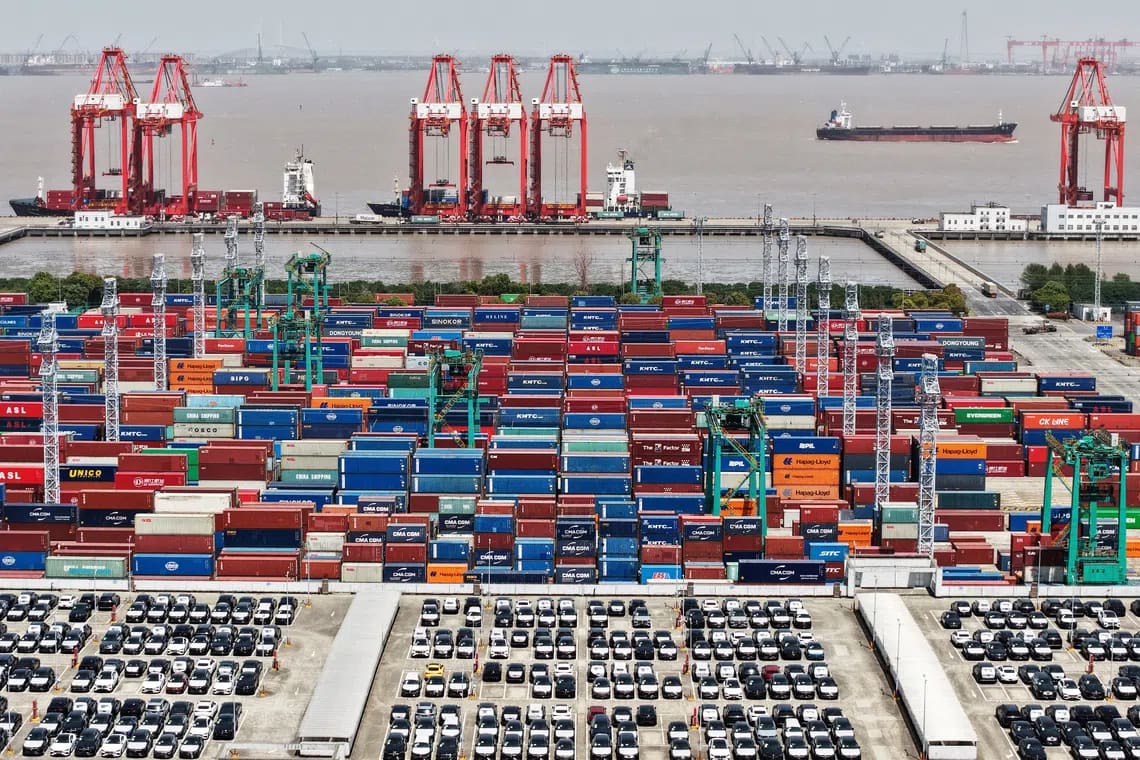
Trade figures released earlier in the week showed exports and imports surging in July, driven by robust overseas appetite for artificial intelligence hardware and related technology products. The export boom has provided a crucial buffer for China's vast manufacturing base, offsetting some of the drag from weak domestic sales.
However, reliance on external demand carries its own risks. Global economic conditions remain uncertain, and trade tensions - particularly with the United States and Europe - could dampen orders in the months ahead. For China to achieve balanced, sustainable growth, internal consumption must eventually catch up.
What Comes Next
The July data reinforces the view that China's recovery remains uneven. While certain high-tech sectors and export industries are thriving, the broader economy is still grappling with the aftershocks of the property downturn and the pandemic-era disruptions that reshaped consumer behavior.
Investors and policymakers alike will be watching closely to see whether the Politburo's promised fiscal stimulus can reignite household spending. If it fails to do so, deflationary pressure may persist well into the second half of the year, complicating Beijing's efforts to hit its annual growth targets and maintain confidence in the world's second-largest economy.
RELATED STORIES
China's Consumer Prices Rise at Slowest Pace in Seven Months
Cheng Wei-Lun · 4 min

BYD, Geely and Chery Crack Global Auto Top Ten
Cheng Wei-Lun · 3 min

7-Eleven Owner Calls China Its Toughest Market Amid Subsidy Wars
Cheng Wei-Lun · 3 min
Shein Retreats From Vietnam Warehouse Bet as China Manufacturing Proves Irreplaceable
Cheng Wei-Lun · 4 min
Spot something wrong? Email editor@briefasia.com. We log every correction publicly.