Asia · Business
China's Factory Expansion Hits Four-Month Low as Domestic Orders Weaken
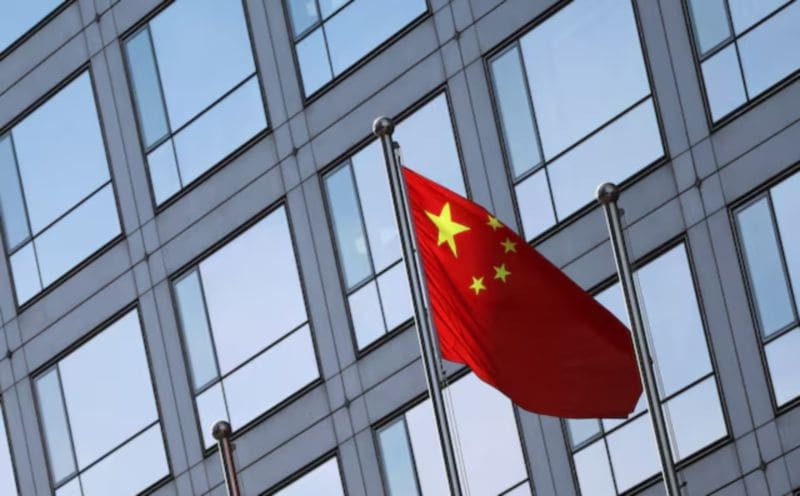
Manufacturing PMI dropped to 50.9 in July, missing forecasts as output and new business growth decelerated amid broader concerns about the world's second-largest economy.
KEY TAKEAWAYS
- ·China's manufacturing PMI dropped to 50.9 in July from 51.7 in June, missing the 51.5 forecast and marking the slowest expansion since March.
- ·New orders grew at their weakest pace since January while export orders returned to marginal growth after two months of contraction.
- ·Beijing pledged to accelerate existing infrastructure spending rather than launch major new stimulus despite Q2 GDP growth of 4.3 per cent, the slowest in over three years.
Growth Momentum Fades
China's manufacturing sector expanded at a diminished pace in July, marking the slowest growth in four months as both output and new business decelerated. The RatingDog China General Manufacturing PMI compiled by S&P Global registered 50.9, down from 51.7 in June and below the 51.5 consensus forecast. Any reading above 50 signals expansion.
The latest figures add to mounting evidence that the world's second-largest economy is losing steam. An official manufacturing survey released days earlier showed factory activity slipping into contraction territory for July, amplifying worries about sluggish domestic consumption and rising production costs squeezing margins.
Second-quarter GDP growth came in at 4.3 per cent, the weakest performance in over three years and below the government's full-year target range of 4.5 to 5.0 per cent. The data underscores the challenge facing policymakers as they attempt to stabilize growth without resorting to the kind of large-scale stimulus that marked previous downturns.
Domestic Demand Remains Soft
New orders grew at their weakest pace since January, reflecting tepid demand across China's vast industrial base. The slowdown in incoming business suggests manufacturers are grappling with cautious buyers and inventory adjustments as companies reassess spending amid economic uncertainty.
Export orders, however, returned to positive territory after contracting in both May and June. The improvement was marginal but offers a sliver of relief for producers reliant on overseas markets. Asian supply chains remain intertwined with China's manufacturing output, making any stabilization in external demand significant for regional trade flows.
Employment trends showed a rare bright spot. Manufacturers added workers for a second consecutive month, with hiring reaching its fastest clip since August 2023. The uptick in job creation may signal that firms still anticipate demand recovery, even as current order books soften.
Inventory Build and Purchasing Pullback
Stocks of purchased goods rose for an eighth straight month, the longest such streak since the 2006-07 period. The sustained inventory accumulation suggests companies have been building buffers, possibly in anticipation of supply chain disruptions or input cost volatility.
Yet purchasing activity contracted for the first time since November 2025, indicating that the inventory build may now be excessive. Firms appear to be hitting pause on new procurement as they work through existing stock levels, a pattern that typically precedes a period of slower production growth.
Work backlogs continued to grow for a sixth month, though at the slowest rate within that sequence. The deceleration in unfinished orders points to improved capacity utilization or weakening inbound demand, both of which have implications for near-term output planning.
Price Pressures Ease
Input cost inflation moderated to a six-month low in July, offering manufacturers some respite after months of elevated expenses. Output prices remained broadly stable as producers chose not to pass on costs to customers, likely reflecting competitive pressures and price sensitivity among buyers.
The pricing environment suggests limited pricing power for manufacturers, a dynamic that can compress margins and discourage capital investment. For Asia's export-oriented economies, China's producer price trends often serve as a leading indicator for regional inflation and trade competitiveness.
Despite the near-term headwinds, business sentiment remained positive. Firms expressed optimism about output levels over the coming twelve months, according to the survey, suggesting confidence that current weakness may prove transient.
Policy Response and Regional Implications
Chinese leaders convened at the end of July and announced plans to accelerate fiscal spending on infrastructure projects already in the budget pipeline. The approach stops short of major new stimulus, instead aiming to front-load existing allocations to support activity in the second half of the year.
The measured policy stance reflects Beijing's ongoing balancing act between supporting growth and managing debt levels. Previous stimulus waves fueled concerns about financial stability and overcapacity in certain sectors, making authorities wary of repeating that playbook.
For the broader Asia-Pacific region, China's manufacturing trajectory carries weight. Slower Chinese factory activity typically translates to reduced demand for industrial inputs from Southeast Asia, Japan, and South Korea. Conversely, any stabilization in China's export orders can provide tailwinds for regional shipping, logistics, and component suppliers.
The July PMI data arrives as central banks across Asia monitor inflation and growth dynamics. A prolonged manufacturing slowdown in China could influence monetary policy decisions in neighboring economies, particularly those with significant trade exposure to Chinese demand.
Manufacturing sentiment and order flow in the coming months will test whether Beijing's fiscal measures can arrest the deceleration or whether additional policy support becomes necessary to meet full-year growth targets.
RELATED STORIES
India's Chinese Import Bill Climbs Despite Self-Reliance Push
Priyanka V. Rao · 3 min

GAC and FAW Explore Merger of Toyota Joint Ventures in China
Cheng Wei-Lun · 3 min
China's August Inflation Accelerates on Energy and Typhoon Disruption
Tran Quoc Bao · 2 min
China Imposes Anti-Dumping Measures on Japanese Semiconductor Chemical Imports
Jun-ho Seo · 3 min
Spot something wrong? Email editor@briefasia.com. We log every correction publicly.