Real Estate · Homes
China Extends Mortgage Terms to 40 Years in Property Market Push
Beijing announced sweeping credit measures and a shift away from pre-sale housing model as new-home prices continue to decline

KEY TAKEAWAYS
- ·China's central bank will allow mortgage terms of up to 40 years, up from 30, while regulators ease developer fundraising through equity and bond sales.
- ·Beijing is shifting developers away from the pre-sales model, which fueled roughly $130 billion in defaults, toward completed-property sales with buyer walk-away rights.
- ·Used-home sales now surpass new-home transactions in China, with newly built residential sales by area down more than half from the 2021 peak.
Credit Window Widens
China's central bank announced it will permit mortgage terms of up to 40 years, extending the current 30-year ceiling in a bid to ease payment burdens for homebuyers. The change, unveiled on August 28, is part of a broader package of financing measures aimed at stabilizing a property sector that has racked up roughly $130 billion in defaults since 2021.
The China Securities Regulatory Commission said it will support developers in raising capital through equity and bond issuances, providing fresh oxygen to an industry starved of funding. The moves stop short of the large-scale stimulus some economists have called for, but represent Beijing's most aggressive intervention in years to arrest a downturn that has weighed on consumption and growth.
Zhang Zhiwei, chief economist at Pinpoint Asset Management, described the measures as stronger than market expectations and a meaningful step toward stabilization, signaling that policymakers recognize the urgency of the situation.
A Structural Pivot
Beyond credit, Beijing is overhauling the mechanics of how homes are sold. Authorities announced they will push developers to offer completed properties rather than rely on the pre-sales model, which has been widely blamed for fueling oversupply and debt accumulation. Under that system, developers sold apartments years before construction finished, collecting cash upfront but leaving buyers exposed when projects stalled.
The new framework allows developers to collect only a small deposit from buyers. If construction deadlines are missed, buyers can walk away from the purchase. To ease the funding squeeze, builders will be permitted to pay land acquisition costs in installments, a relief for cash-strapped firms whose land purchases once formed a pillar of local government revenue.
Several government departments issued a joint statement emphasizing that local authorities should standardize pre-sale conditions and prevent delivery risks to protect homebuyers.
Resale Market Dominates
China's real estate landscape has shifted sharply. Used-home sales now surpass new-home transactions as prices fall and buyers grow wary of construction delays. Sales of newly built residences by area have dropped more than half from their 2021 peak, according to official data.
The official Xinhua news agency explained that the previous sales mechanism, defined by pre-sales and rapid turnover, no longer fits current market conditions. The pre-sales system, once dominant, has seen its share decline from roughly 90 percent of new homes in 2021 to around 70 percent by late 2025, according to Proptech Innovations.
The change reflects a fundamental shift in buyer confidence and market dynamics. Unfinished construction projects triggered widespread mortgage boycotts in recent years, amplifying dissent and forcing the government to act.
Economic Pressure Mounts
July data underscored the breadth of China's economic weakness. Consumption softened more than expected, and new-home prices continued their slide. Many economists estimate growth has slipped further below the government's annual target, prompting Premier Li Qiang to call for stronger supportive measures.
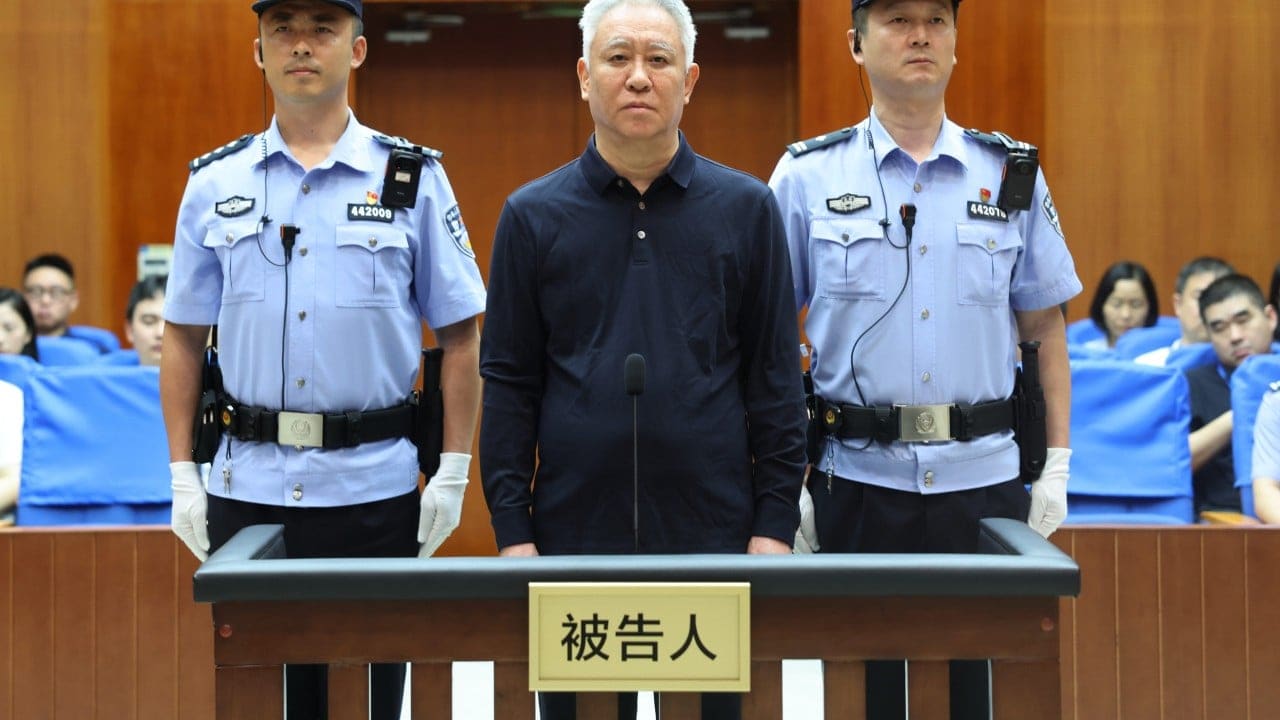
The property crisis has been a persistent drag on the world's second-largest economy. The sentencing of China Evergrande Group founder Hui Ka Yan to life in prison last week underscored the scale of the debt binge that inflated the sector. Evergrande, once the world's most indebted developer, became the poster child for the excesses that fueled the boom and subsequent collapse.
What Comes Next
While the latest measures are incremental, they reflect a coordinated effort across multiple agencies to address both demand and supply constraints. Longer mortgage terms reduce monthly payments, potentially broadening the pool of qualified buyers. Easier fundraising rules may help viable developers complete projects and restore trust.
Yet the shift away from pre-sales introduces new challenges. Developers accustomed to upfront cash flows will need to adapt to a model that delays revenue collection. Whether the changes can reverse the trajectory of falling prices and restore confidence in new construction remains an open question. The test will be whether buyers return to a market that has burned them before.
RELATED STORIES
Hong Kong Awards First Northern Metropolis Land to Mainland-Local Consortium
Cheng Wei-Lun · 3 min
When a Property Empire Falls: The Evergrande Verdict and China's Private Sector Reckoning
Cheng Wei-Lun · 5 min

China Shifts Auto Strategy as Regulators Warn on Quality Over Features
Cheng Wei-Lun · 3 min

China Grants First Private Satellite IoT License to Geely-Backed Geespace
Cheng Wei-Lun · 3 min
Spot something wrong? Email editor@briefasia.com. We log every correction publicly.