Asia · Trade
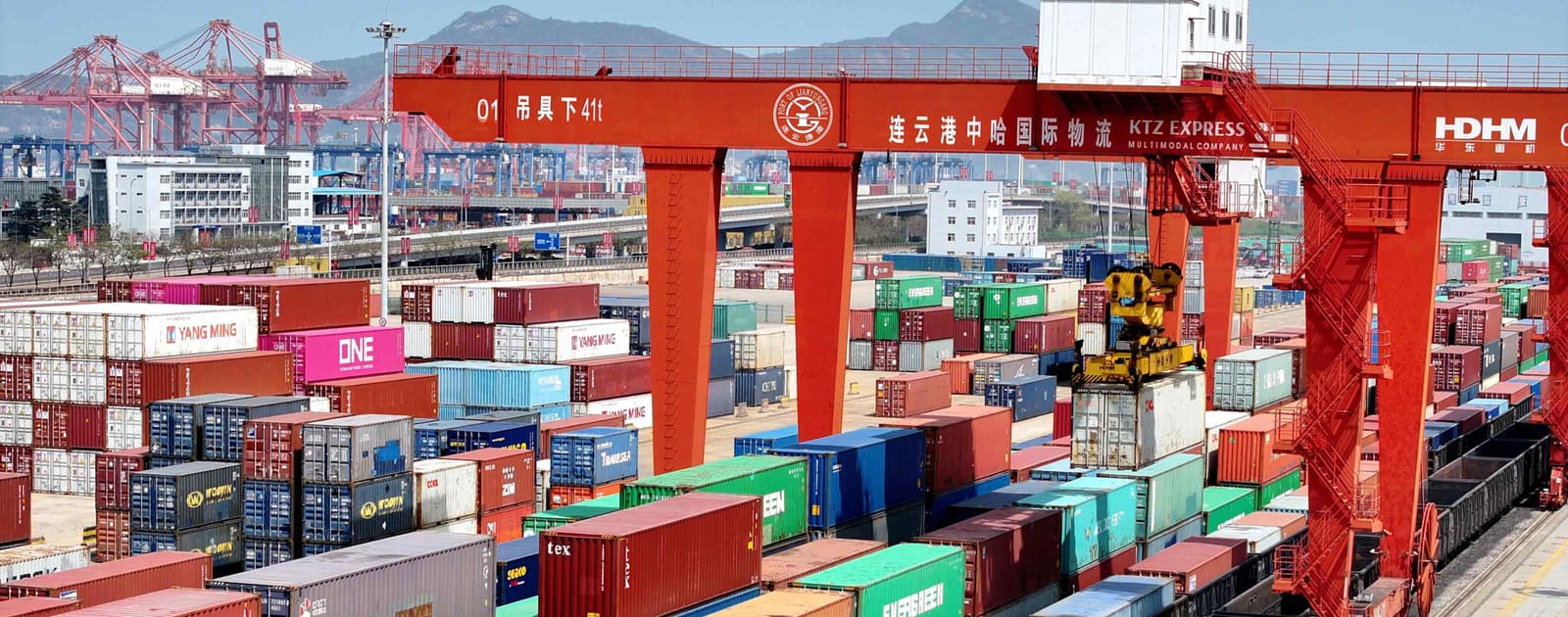
China's Export Growth Slows as Weather Disrupts July Output
AI-related product demand cushions impact while Beijing prepares for critical US and EU trade negotiations
KEY TAKEAWAYS
- ·China's export growth slowed in July due to weather-related production disruptions, though AI-related product demand provided partial offset.
- ·Southeast Asia and the European Union absorbed larger shares of Chinese goods, reflecting geographic diversification in trade flows.
- ·The slowdown precedes high-stakes negotiations with the US and EU over market access, subsidies, and technology trade rules.
Weather Hits Production Lines
China's export growth decelerated in July, dragged down by weather-related disruptions that hampered manufacturing output across key production hubs. The slowdown marks a shift from the steady expansion seen in earlier months, though the picture remains mixed rather than uniformly negative.
Severe weather patterns disrupted factory operations and logistics networks during the month, creating bottlenecks that prevented manufacturers from fulfilling orders at the pace seen in previous quarters. The disruptions hit both coastal export zones and inland manufacturing centers, complicating efforts to maintain the export momentum that had supported China's economic recovery.
AI Hardware Provides Partial Cushion
Demand for artificial intelligence-related products offered a counterweight to the weather-induced headwinds. Semiconductors, servers, advanced computing components, and other hardware tied to AI infrastructure continued to find buyers, particularly as global tech firms race to build out their machine-learning capabilities.
This AI-driven demand has become an increasingly important pillar for Chinese exports, partially insulating the country's manufacturing sector from cyclical slowdowns in other product categories. The technology segment now represents a bright spot in an otherwise uneven trade landscape, with orders for AI components holding firm even as traditional electronics and consumer goods face softer conditions.
Regional Trade Patterns Shift
Southeast Asia and the European Union absorbed a larger share of Chinese goods during the period, according to trade data. The geographic diversification reflects both strategic repositioning by Chinese exporters and evolving demand patterns in key markets.
Southeast Asian economies have deepened their integration with Chinese supply chains, importing intermediate goods, machinery, and finished products for re-export or domestic consumption. The EU, despite ongoing tensions over subsidies and market access, continues to represent a significant destination for Chinese manufactured goods, from industrial equipment to consumer electronics.
This regional shift carries implications for how China navigates an increasingly fragmented global trade environment, where traditional markets face political pressure to reduce dependence on Chinese suppliers while alternative destinations offer growth opportunities.
High-Stakes Negotiations Loom
The July trade figures arrive as Beijing prepares for critical negotiations with Washington and Brussels. Both the United States and the European Union have signaled intentions to press China on issues ranging from market access and intellectual property to industrial subsidies and overcapacity concerns.
The timing of the export slowdown complicates China's position heading into these talks. Weaker trade numbers may reinforce arguments from US and EU negotiators that their markets remain essential to Chinese growth, potentially limiting Beijing's leverage. At the same time, the continued strength of AI-related exports demonstrates China's entrenchment in critical technology supply chains, a factor that cuts both ways in trade diplomacy.
The outcome of these summits will shape trade flows for the remainder of the year and beyond, with potential implications for tariff structures, investment screening mechanisms, and technology transfer rules that govern cross-border commerce in advanced sectors.
What the Numbers Mean for Asia
China's export performance carries weight far beyond its own borders. As the region's largest economy and a central node in pan-Asian supply chains, fluctuations in Chinese trade activity ripple through neighboring economies that supply components, raw materials, and services to Chinese manufacturers.
A sustained slowdown would dampen demand for inputs from South Korea, Taiwan, Japan, and Southeast Asian nations, while also reducing the volume of Chinese goods flowing through regional logistics hubs like Singapore and Hong Kong. Conversely, the resilience of AI-related exports suggests that economies positioned in technology supply chains may weather broader trade headwinds better than those reliant on traditional manufacturing sectors.
The interplay between weather-related disruptions, technology sector strength, and geopolitical negotiations creates an uncertain outlook for the coming months. Whether July's slowdown represents a temporary blip or the start of a more prolonged deceleration will depend on how quickly production normalizes, whether AI demand sustains its trajectory, and what emerges from the negotiating table in Washington and Brussels.
RELATED STORIES
Washington's Polysilicon Tariffs Set to Squeeze Korean Solar Producers
Cheng Wei-Lun · 3 min

BYD, Geely and Chery Crack Global Auto Top Ten
Cheng Wei-Lun · 3 min
China's Consumer Prices Rise at Slowest Pace in Seven Months
Cheng Wei-Lun · 4 min
China's ZXMoto Doubles Production After World Championship Win
Cheng Wei-Lun · 3 min
Spot something wrong? Email editor@briefasia.com. We log every correction publicly.