Technology · AI
China's AI Hardware Surge Deepens Regional Economic Divide
Hefei's memory-chip factories run at capacity while Changchun's traditional auto industry struggles, exposing widening gap in Beijing's economic transformation
KEY TAKEAWAYS
- ·Hefei's memory-chip factories operate near capacity serving global AI hardware demand, while Changchun officials acknowledged unprecedented economic difficulties in traditional automotive manufacturing before retracting the statement.
- ·The divergence reflects Beijing's industrial policy prioritizing semiconductors and AI over legacy sectors, driving capital and talent toward strategic technology hubs and away from rust-belt manufacturing cities.
- ·Provincial bonds and equity markets are pricing in the divide, with Anhui debt trading at tighter spreads than Jilin's, reinforcing capital flows that make it harder for struggling regions to finance competitive investments.
The Tale of Two Cities
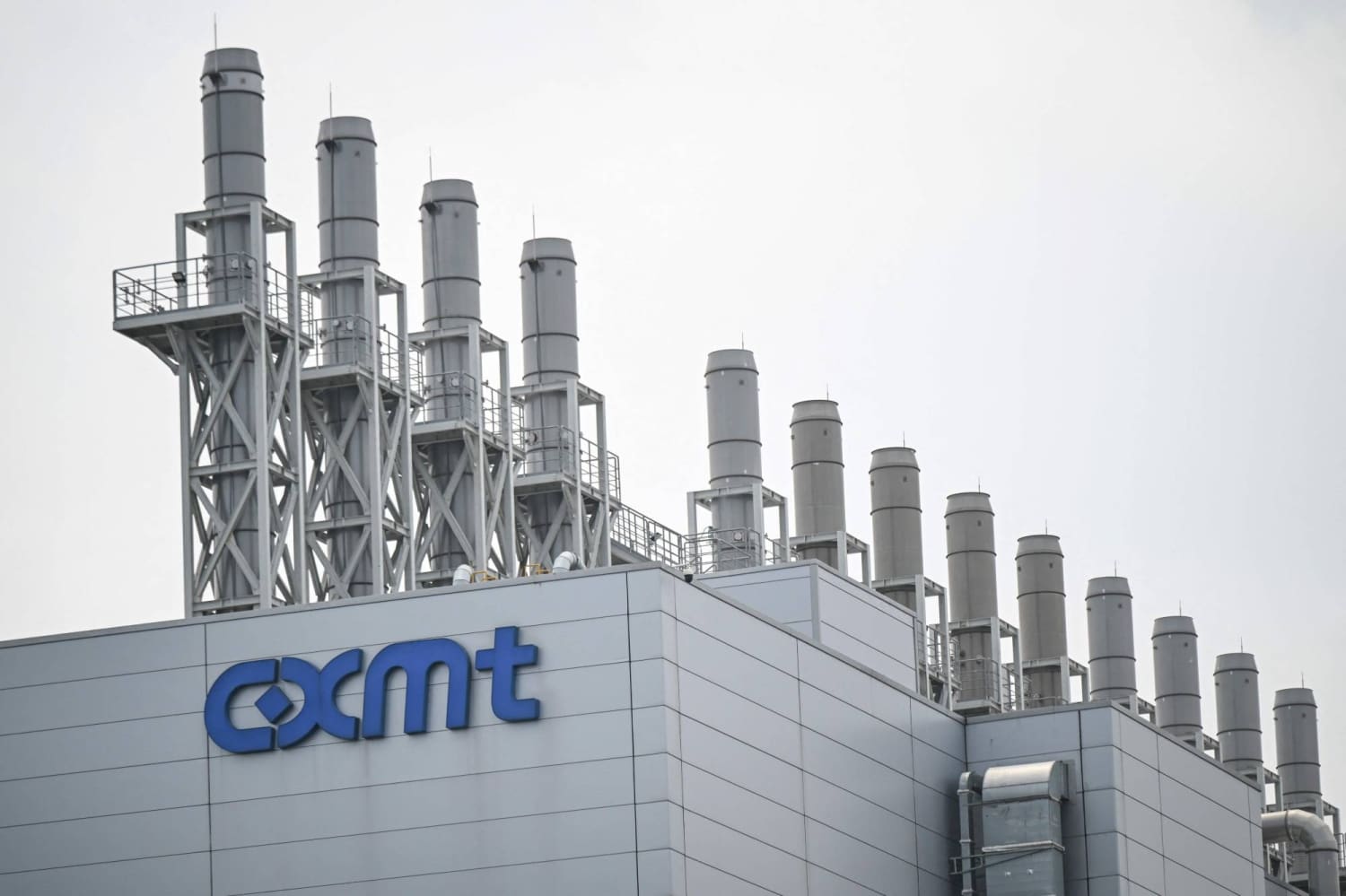
China's economic transformation is creating winners and losers at a pace that local governments can barely acknowledge. Hefei, a provincial capital in eastern Anhui province, has emerged as the epicenter of the country's memory-chip manufacturing, with production lines operating near maximum capacity to meet surging global demand for AI infrastructure. Meanwhile, Changchun in northeastern Jilin province, once a pillar of China's automotive sector, faces what local officials briefly described as "unprecedented" economic difficulties before scrubbing the language from public statements after social media users began circulating the admission.
The divergence between these two cities illustrates a broader pattern reshaping China's industrial landscape. As artificial intelligence drives demand for semiconductors, data centers, and advanced computing hardware, regions positioned to supply these technologies are experiencing rapid growth. Those anchored to legacy industries, particularly internal combustion engine manufacturing and traditional heavy industry, find themselves on the wrong side of a technological and capital reallocation that shows no signs of slowing.
Hefei's Silicon Rise
Hefei's trajectory over the past five years has been remarkable. The city invested aggressively in semiconductor fabrication facilities and memory production capacity starting in the late 2010s, betting on China's push for self-sufficiency in critical technologies. That gamble is now paying dividends as global AI model training and inference workloads multiply, creating insatiable appetite for high-bandwidth memory and advanced packaging solutions.
Local factories producing DRAM and NAND flash memory report order books extending months into the future. The city's industrial output in the semiconductor sector has grown at double-digit rates for three consecutive years, according to provincial economic data. Foreign and domestic companies alike have expanded operations in Hefei's industrial parks, drawn by established supply chains, skilled labor pools trained at nearby technical universities, and provincial government incentives designed to maintain the city's momentum.
The employment picture reflects this success. Engineering graduates from across eastern China gravitate toward Hefei's chip sector, where salaries for process engineers and yield specialists have climbed steadily. Real estate prices in districts near the industrial zones have risen accordingly, creating visible prosperity that stands in sharp contrast to conditions in older manufacturing centers.
Changchun's Rust-Belt Reality
Changchun's economic foundation rests on a very different industrial base. The city has been synonymous with Chinese automotive manufacturing since the 1950s, hosting major assembly plants that churned out millions of gasoline-powered vehicles over decades. But the rapid shift toward electric vehicles, combined with overcapacity in the traditional auto sector and slowing domestic consumption, has left these facilities operating well below capacity.
The "unprecedented difficulties" phrase that Changchun officials used, then retracted, hints at fiscal stress that many rust-belt cities prefer not to discuss publicly. Declining industrial activity translates directly into reduced tax revenue at a time when local governments face mounting obligations, from pension payments to infrastructure maintenance. The political sensitivity around openly acknowledging economic distress reflects Beijing's emphasis on stability and positive messaging, even as regional disparities widen.
Workers in Changchun's automotive supply chain, from parts manufacturers to assembly line technicians, face an uncertain transition. Retraining programs exist on paper, but the skills required for AI hardware production or electric vehicle battery manufacturing differ substantially from traditional mechanical engineering and metalworking expertise. Geographic mobility offers one path, but uprooting families to chase opportunities in distant boom cities carries social and financial costs that many cannot bear.
Policy Implications and Capital Flows
Beijing's industrial policy explicitly prioritizes strategic sectors including semiconductors, artificial intelligence, and new energy. Subsidies, research funding, and regulatory support flow disproportionately toward these areas, accelerating the reallocation of capital and talent away from legacy industries. This is not accidental but reflects calculated decisions about where China should compete in global markets and which technologies underpin national security.
The challenge for policymakers lies in managing the social and political consequences of this transformation. Regions like Hefei demonstrate that targeted investment and clear industrial strategy can generate rapid growth. But the model is difficult to replicate in cities whose existing industrial base and workforce skills do not align with priority sectors. Efforts to retool rust-belt economies through top-down directives have historically proven slow and expensive, with mixed results.
Financial markets are already pricing in this divergence. Provincial bonds from Anhui, home to Hefei, trade at tighter spreads than those from Jilin, where Changchun is located. Equity investors show similar preferences, favoring companies with exposure to AI supply chains over those tied to traditional manufacturing. These capital flows reinforce existing trends, making it harder for struggling regions to finance the very investments that might improve their competitive position.
What Comes Next
The split-screen economy that Hefei and Changchun represent will likely persist for years. AI adoption is still in early stages globally, suggesting sustained demand for the hardware that Chinese factories are racing to produce. At the same time, overcapacity in traditional sectors like automotive manufacturing will take years to work through, particularly as domestic consumption growth remains subdued.
For regional governments, the imperative is clear: adapt or fall behind. But adaptation requires resources, political will, and time, all of which are in shorter supply in struggling regions than in booming ones. The risk is a self-reinforcing cycle where success breeds more success and stagnation deepens into decline, with profound implications for employment, social stability, and China's broader economic trajectory.
The question is not whether China can produce enough memory chips to power the AI revolution. The question is what happens to the millions of workers and the dozens of cities whose fortunes are tied to industries that no longer command Beijing's attention or the market's capital.
RELATED STORIES

China's Auto Chip Race Shifts to Volume as Horizon Robotics Crosses 15 Million Units
Jun-ho Seo · 3 min
Hong Kong Debuts Robot-Run Convenience Store in Commercial Automation Push
Cheng Wei-Lun · 3 min

China Scrubs 5.6 Million AI-Generated Posts in Platform Cleanup
Cheng Wei-Lun · 3 min
LG Pivots to AI-Defined Vehicle Platform as Korea Chases China's Self-Driving Lead
Jun-ho Seo · 3 min
Spot something wrong? Email editor@briefasia.com. We log every correction publicly.