Finance · Markets
China Advances Domestic Chip Production to Replace 85% Foreign Reliance
State backing and corporate innovation converge as Beijing accelerates semiconductor self-sufficiency, reshaping Asia's tech supply chain landscape
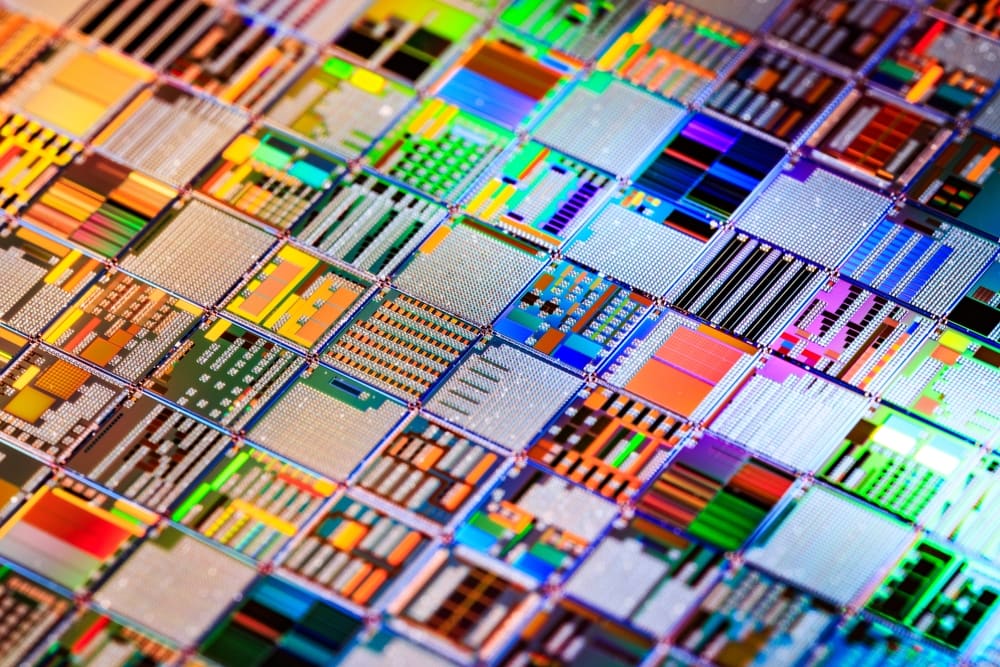
KEY TAKEAWAYS
- ·China relies on foreign suppliers for roughly 85% of its semiconductor needs and is deploying national and municipal funding to build domestic capacity.
- ·Huawei and Tencent are leading corporate efforts to overcome technical barriers in chip design and manufacturing, complementing state-led programs.
- ·Export restrictions on advanced lithography equipment and material supply chain gaps remain significant obstacles to achieving self-sufficiency.
State-Backed Push for Chip Independence
China has historically depended on foreign suppliers for approximately 85% of its semiconductor requirements, a vulnerability that policymakers in Beijing now view as a strategic imperative to address. The government is channeling substantial resources into building a self-sufficient chipmaking ecosystem, combining industrial policy frameworks with direct funding from both national and municipal authorities.
The scale of the effort reflects the central role semiconductors play in modern manufacturing, from consumer electronics to automotive systems and telecommunications infrastructure. For China, reducing reliance on imported chips carries both economic and geopolitical weight, particularly as export controls from the United States and allied nations have tightened access to advanced fabrication equipment and cutting-edge designs.
Corporate Giants Drive Technical Progress
Major Chinese technology firms are emerging as critical players in the domestic chip drive. Huawei, which faced restrictions on accessing foreign semiconductor technology, has accelerated its in-house design capabilities and forged partnerships with mainland foundries. Tencent, traditionally focused on software and internet services, has expanded into custom chip development to optimize data center performance and artificial intelligence workloads.
These corporate initiatives complement state-led programs by tackling specific technical challenges, from advanced node manufacturing to packaging and testing. The combination of government capital and private-sector innovation creates a feedback loop: state funding de-risks early-stage research, while commercial demand from large tech platforms provides scale and market discipline.
Municipal Support and Regional Clusters
Provincial and city governments across China have introduced their own semiconductor incentive packages, often including subsidies for factory construction, tax breaks, and talent recruitment programs. Regional chip clusters are taking shape in cities such as Shanghai, Shenzhen, and Hefei, each specializing in different segments of the value chain.
Shanghai has positioned itself as a hub for integrated circuit design and advanced packaging, leveraging its existing electronics manufacturing base. Shenzhen, with its dense network of hardware startups and contract manufacturers, focuses on application-specific integrated circuits and consumer chip development. Hefei has attracted memory and logic fab investments, supported by municipal equity stakes in foundry projects.
This distributed approach spreads risk and allows regions to compete for talent and investment, but it also raises questions about overcapacity and coordination. Industry observers note that fragmented local initiatives can lead to redundant investments, a concern that national planners are attempting to address through centralized guidance and consolidation incentives.
Technical Hurdles and Supply Chain Gaps
Despite the momentum, significant obstacles remain. Advanced lithography equipment, essential for producing chips below 7-nanometer process nodes, remains largely inaccessible to Chinese fabs due to export restrictions. Domestic equipment makers are working to develop alternatives, but the gap in precision and throughput is substantial.
Material supply chains present another challenge. High-purity silicon wafers, photoresists, and specialty gases are often sourced internationally. Building reliable domestic sources for these inputs requires years of process refinement and quality control, timelines that do not align neatly with Beijing's urgency.
Talent shortages also constrain progress. The semiconductor industry demands engineers with expertise in process technology, materials science, and electronic design automation. Chinese universities have expanded related programs, and returnee talent from overseas has increased, but competition for experienced professionals remains fierce.
Implications for Asia's Tech Ecosystem
China's semiconductor ambitions are reshaping competitive dynamics across Asia. Taiwan's foundries, which have long served Chinese fabless design houses, face strategic uncertainty as mainland capacity grows. South Korean memory makers watch closely as Chinese competitors ramp production, potentially eroding market share in commodity segments.
For Southeast Asian nations, the shift presents both opportunity and risk. Malaysia and Vietnam have attracted back-end assembly and testing operations as companies diversify supply chains, but these roles remain lower in the value stack. Singapore's position as a regional semiconductor hub depends on maintaining its neutrality and advanced manufacturing edge.
Japan, historically a leader in semiconductor materials and equipment, has found renewed relevance as Western nations seek trusted suppliers outside China. Japanese firms are expanding partnerships with Taiwanese and South Korean chipmakers, positioning themselves as enablers of non-Chinese capacity.
The trajectory of China's chip drive will shape trade flows, investment patterns, and technology standards across the region for years to come. Whether Beijing can bridge the technical gap and achieve meaningful self-sufficiency remains an open question, but the scale of resources committed ensures the effort will leave a lasting mark on Asia's semiconductor landscape.
RELATED STORIES
Chinese Chipmaking Equipment Firm Piotech Reports 1,324% Jump in First-Half Profit
Cheng Wei-Lun · 3 min
AMEC Reports 300% Profit Jump as China Chipmaker Bets $520M on Expansion
Cheng Wei-Lun · 3 min

China's Largest Power Utility Courts Huawei for AI Infrastructure Partnership
Cheng Wei-Lun · 3 min
China's CCSH Eyes $4.9 Billion Shanghai Listing as Memory Chip Market Surges
Cheng Wei-Lun · 3 min
Spot something wrong? Email editor@briefasia.com. We log every correction publicly.