Sustainability · Nature
CATL Lithium Mine in Jiangxi Awaits Environmental Clearance After Year-Long Halt
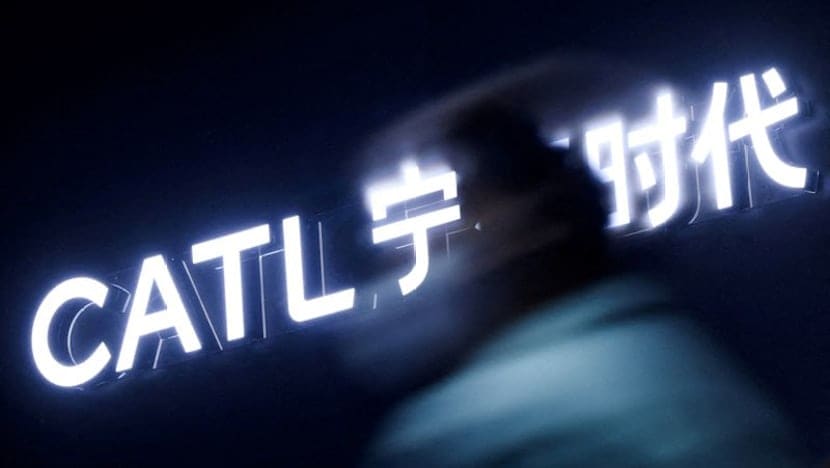
The Jianxiawo facility, which suspended operations in August 2025, must complete a new environmental impact assessment before resuming production
KEY TAKEAWAYS
- ·CATL's Jianxiawo lithium mine in Yichun, Jiangxi Province, remains closed pending environmental approval after the facility was reclassified from ceramic clay to lithium ore, requiring a new impact assessment.
- ·The mine suspended operations in August 2025 when its mining license expired and obtained a safety permit on June 29, but the environmental hurdle has delayed the anticipated restart.
- ·Lithium carbonate futures rose 1.36 percent on the news, reflecting market sensitivity to supply developments as CATL navigates tighter regulatory scrutiny in China's mining sector.
Regulatory Roadblock Extends Suspension
Contemporary Amperex Technology Co. Limited's Jianxiawo lithium mine in Yichun, Jiangxi Province, remains offline as the facility awaits environmental approval, according to the Yifeng County Ecology and Environment Bureau. The mine, which halted operations in August 2025 after its mining license expired, is currently undergoing maintenance with no ore transportation or crushing activities taking place.
The extended closure comes despite CATL securing a safety production permit on June 29, which initially appeared to clear a significant regulatory hurdle. However, a change in the project's mineral designation from ceramic clay containing lithium to lithium ore has triggered the need for a fresh environmental impact assessment, delaying the anticipated restart.
New Assessment Requirement
The reclassification of the mine's mineral designation has forced CATL to prepare an entirely new environmental impact assessment report. The company published the report for public consultation on July 27, marking the beginning of a process that could extend the suspension further.
The Yifeng County Ecology and Environment Bureau has instructed CATL to complete the environmental impact assessment approval procedures as quickly as possible. The directive came amid growing speculation in Chinese markets about the mine's potential reopening and expectations that production could resume at full capacity once regulatory clearance is obtained.
Market Implications
The uncertainty surrounding Jianxiawo's restart carries weight for China's lithium supply chain. CATL, the world's largest battery manufacturer, supplies cells to major automakers including Tesla, BMW, and several Chinese electric vehicle producers. Any disruption to its raw material access can ripple through production schedules and pricing dynamics.
Lithium carbonate futures on the Guangzhou Futures Exchange gained 1.36 percent following the bureau's comments, reflecting market sensitivity to supply-side developments. CATL shares showed minimal reaction, dipping 0.02 percent, suggesting investors may have already priced in a prolonged approval timeline.
Strategic Context
The Jianxiawo mine represents a piece of CATL's vertical integration strategy, aimed at securing upstream lithium supplies in a market characterized by price volatility and geopolitical competition. China controls roughly two-thirds of global lithium refining capacity, and domestic mining projects like Jianxiawo help reduce reliance on imports from Australia, Chile, and Argentina.
The nearly year-long suspension highlights the tightening regulatory environment around mining operations in China, particularly for projects involving battery materials. Environmental scrutiny has intensified across Jiangxi Province, a region rich in lithium deposits but also facing pressure to balance economic development with ecological protection.
Path Forward
CATL must navigate the environmental approval process while managing production commitments to its automotive clients. The company has not publicly disclosed a timeline for completing the new assessment or when it expects to receive final approval from provincial authorities.
The situation at Jianxiawo underscores a broader challenge facing battery manufacturers in Asia: the need to secure stable raw material supplies while meeting increasingly stringent environmental standards. As electric vehicle adoption accelerates across the region, the tension between production capacity and regulatory compliance will likely shape investment decisions in mining infrastructure for years ahead.
RELATED STORIES
Manila Eyes Nickel Processing to Escape China's Price Control
Priyanka V. Rao · 4 min
Shein Retreats From Vietnam Warehouse Bet as China Manufacturing Proves Irreplaceable
Cheng Wei-Lun · 4 min
Shein Scales Back Vietnam Expansion, Reinforces China Manufacturing Base
Cheng Wei-Lun · 3 min

BYD, Geely and Chery Crack Global Auto Top Ten
Cheng Wei-Lun · 3 min
Spot something wrong? Email editor@briefasia.com. We log every correction publicly.