Lifestyle · Luxury
Casio's Budget Watches Turn From Liability to Growth Engine
Japanese electronics maker pivots to affordable timepieces as G-Shock stumbles in China, driving share price rally
KEY TAKEAWAYS
- ·Casio Computer's share price has risen on strong demand for its budget Casio Watch series, which features simple retro designs, while G-Shock sales decline in China.
- ·The company plans to invest reserves generated from watch sales to fund growth initiatives and close the competitive gap with larger electronics rivals.
- ·The performance split highlights shifting consumer preferences in Asia toward value-oriented products over premium discretionary goods in the current economic climate.
From Discount Bin to Investor Darling
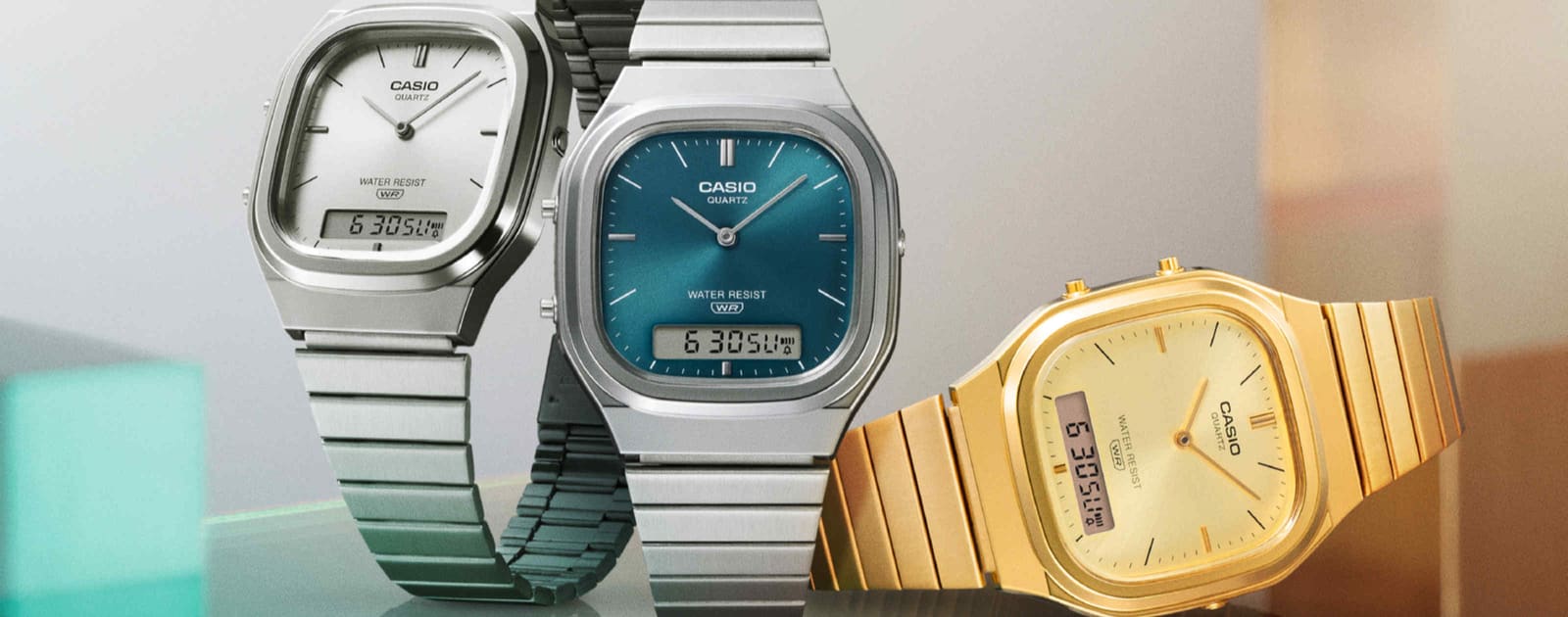
Casio Computer is discovering that what the market once dismissed as cheap may now be exactly what consumers want. The Tokyo-based electronics maker has seen its share price surge on the back of strong demand for its affordable Casio Watch series, a lineup characterized by simple, retro designs that appeal to buyers seeking function over flash.
The shift comes at a critical moment for the company. While its premium G-Shock brand faces declining sales in China, the budget-friendly watches are filling the gap and reshaping investor perception of Casio's timepiece division. The company now plans to deploy reserves built from this unexpected success to narrow the competitive distance with larger rivals in the consumer electronics space.
A Tale of Two Product Lines
The divergence between Casio's product segments illustrates broader trends in Asian consumer markets. G-Shock, long the company's flagship watch brand known for durability and street culture cachet, has encountered headwinds in China as consumers there pull back on discretionary spending. The slowdown in that crucial market has forced Casio to look elsewhere for growth.
Enter the Casio Watch series. These timepieces, often priced well below their shock-resistant siblings, have found an audience that values straightforward functionality and nostalgia-tinged aesthetics. The designs hark back to earlier decades of digital timekeeping, when Casio first made its name in consumer electronics. What was once viewed as a low-margin afterthought has become a volume driver capable of moving the company's stock price.
Capital for Closing Gaps
Casio's management has signaled that the windfall from watch sales will not simply pad the balance sheet. The company intends to invest accumulated reserves into growth initiatives designed to help it compete more effectively with larger consumer electronics manufacturers. The specifics of that investment strategy remain under wraps, but the intent is clear: leverage unexpected strength in one category to build capability across the portfolio.
For a company that has historically occupied a middle tier in the global electronics hierarchy, the capital infusion represents a chance to punch above its weight. Casio's competitors in watches, calculators, and electronic instruments often command greater scale and deeper R&D budgets. The cash generated by the resurgent watch line offers a path to close part of that resource gap.
Regional Market Dynamics
The performance split between G-Shock and the Casio Watch series also underscores the complexity of navigating Asian consumer markets. China, once a reliable engine for premium and mid-tier consumer goods, has become more challenging as economic growth moderates and younger buyers reassess their spending priorities. What sold well two years ago may not resonate today.
Meanwhile, other markets in the region are proving more receptive to value-oriented products. The appetite for affordable, well-designed goods is not limited to watches; it reflects a broader consumer mood that favors practicality and nostalgia over conspicuous consumption. Casio's ability to tap into that sentiment has given it a buffer against the China slowdown.
The company's experience offers a lesson in portfolio diversification. By maintaining a range of price points and design philosophies, Casio has been able to shift weight from one leg to another as market conditions change. The challenge now is to sustain momentum in the budget segment while working to stabilize the premium side of the business.
What Comes Next
Casio's next moves will determine whether the current rally in its share price represents a durable shift or a temporary reprieve. The company must decide how aggressively to invest in expanding production and marketing for the Casio Watch series, and whether to introduce new models that build on the retro aesthetic. At the same time, it cannot afford to neglect G-Shock, which remains a significant contributor to revenue and brand equity.
The broader question is whether other Japanese electronics makers will take note. Casio's success with inexpensive watches suggests there may be untapped demand for affordable, design-conscious products across categories. In an era when consumers are more price-sensitive and less swayed by brand prestige alone, the ability to deliver value without sacrificing quality could become a competitive advantage.
For now, Casio is enjoying a moment in which the market has rediscovered a product line it once overlooked. How the company deploys the capital and attention that come with that rediscovery will shape its trajectory for years to come.
RELATED STORIES

Uniqlo Doubles Down on Flagship Stores to Revive Brand in Home Market
Cheng Wei-Lun · 3 min
Yen Climbs to Eight-Month High as Rate Hike Expectations Shift Sentiment
Jun-ho Seo · 3 min

Berkshire Hathaway Eyes Larger Stakes in Japan's Top Trading Houses
Cheng Wei-Lun · 3 min

Honda and Nissan Align on Software-Defined Vehicle Development
Cheng Wei-Lun · 2 min
Spot something wrong? Email editor@briefasia.com. We log every correction publicly.