Asia · Trade
Brent Crude Retreats Below $90 as Washington and Tehran Step Back From Confrontation
A weekend lull in military strikes and renewed diplomatic momentum through Oman signal potential thaw in the energy corridor standoff
KEY TAKEAWAYS
- ·Brent crude fell more than 7% Monday, briefly dropping below $90 per barrel after the US suspended strikes on Iran and Tehran announced progress in Strait of Hormuz talks with Oman.
- ·The pullback reversed last week's rally above $100, which had been triggered by 13 days of military operations and expanded attacks on Red Sea shipping by Houthi forces.
- ·Investors now focus on Federal Reserve policy Wednesday and tech earnings from SK hynix, Samsung, Microsoft, Meta, Apple, and Amazon for guidance on AI spending sustainability.
Diplomatic Breathing Room Triggers Sharp Reversal
Crude benchmarks shed more than seven percent Monday morning in Hong Kong trading, with Brent briefly dipping under the $90 threshold after Washington chose not to launch additional operations against Iranian targets over the weekend. The pullback marks a sharp reversal from last week's breach above $100 per barrel, a level unseen since May.
The reprieve followed 13 consecutive days of military action by the United States against installations inside Iran. On Sunday, Trump administration officials confirmed the president was creating room for negotiation, while Tehran announced it would suspend retaliatory strikes on neighboring states.
Esmaeil Baqaei, spokesman for Iran's foreign ministry, disclosed Sunday that discussions with Oman had yielded progress on frameworks governing transit through the strait. The talks centered on operational protocols and mutual recognition of sovereign jurisdiction, he said.
Energy Corridor at Center of Escalation
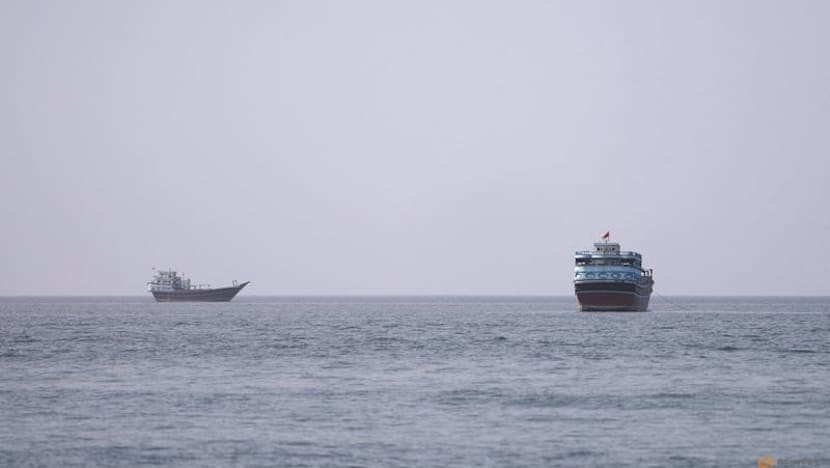
The current round of hostilities erupted earlier this month when Iranian forces targeted commercial vessels transiting Omani territorial waters near the strait's southern approach. That action shattered a tenuous ceasefire that had held for several weeks and triggered a cycle of reciprocal strikes.
The confrontation then spread beyond the Persian Gulf chokepoint. Houthi forces operating from Yemen launched attacks on Saudi-flagged ships passing through Bab al-Mandeb, the narrow strait linking the Red Sea to the Gulf of Aden. Those incidents compounded supply-chain anxieties and pushed risk premiums higher across energy markets.
Friday brought the first signs of stabilization when reports confirmed Red Sea shipping lanes remained operational despite the expanded theater of conflict. That news allowed traders to trim positions ahead of the weekend.
Market Reaction Extends Beyond Energy
Equity indices across Asia reflected the easing geopolitical tension Monday, with most bourses posting gains. The shift also dampened concerns that renewed inflation pressures might force central banks to tighten monetary policy further.
Technology stocks, however, remained under pressure. Seoul's main index fell more than one percent, dragged down by semiconductor manufacturers SK hynix and Samsung. Similar declines appeared in Taipei and Singapore.
Tokyo rose despite losses at Advantest, Kioxia, and Tokyo Electron. Hong Kong, Sydney, Shanghai, Wellington, and Manila all advanced.
Jakarta retreated following the unexpected resignation of Perry Warjiyo, governor of Indonesia's central bank, who cited personal reasons for his departure.
Sally Auld at National Australia Bank noted that the de-escalation lends weight to the theory that crude above $100 per barrel creates sufficient economic pain to encourage restraint from both Washington and Tehran.
Corporate Spotlight Shifts to Tech Earnings
Investor attention now turns to a packed earnings calendar. SK hynix, Samsung, and Kioxia are scheduled to report results this week, while Microsoft, Meta, Apple, and Amazon will disclose performance in coming days. Markets will scrutinize commentary on capital expenditure plans, particularly investments tied to artificial intelligence infrastructure.
Tim Waterer at KCM Trade pointed to lingering unease over the scale of commitments being made, given uncertainty about how quickly returns will materialize. The AI sector has absorbed enormous sums over the past year, raising questions about valuation sustainability.
In China, memory chipmaker CXMT surged 470 percent on its Shanghai debut Monday, briefly eclipsing Industrial and Commercial Bank of China in market capitalization. The Anhui-based firm raised $9.8 billion in its initial public offering, the largest mainland technology listing on record, according to data from Bloomberg News.
Central Bank Decisions Loom
The Federal Reserve is due to announce its latest policy decision Wednesday. While recent inflation data have shown moderation, the brief oil-price spike earlier this month has complicated the outlook.
Market participants largely expect officials to hold rates steady this week. However, Jenny Zeng at Allianz Global Investors cautioned that 50 basis points of tightening could still arrive before year-end if inflationary pressures resurface.
Pakistan is reportedly exploring the possibility of hosting renewed peace negotiations between Washington and Tehran, an initiative that China has encouraged, according to a separate report.
The diplomatic opening through Muscat and potential involvement of Islamabad suggest both sides recognize the economic cost of prolonged disruption to the strait, through which roughly one-fifth of global seaborne petroleum passes daily. Whether the current pause evolves into a durable framework remains uncertain, but energy markets are signaling cautious optimism that the worst of the volatility may have passed.
RELATED STORIES

Oil Drops $4 as Trump Delays Iran Strike for Nuclear Talks
Priyanka V. Rao · 3 min
Brent Crude Jumps 23 Percent as Iran Blocks Hormuz Exit
Priyanka V. Rao · 3 min
Philippine Fuel Prices Set to Surge by Up to ₱5.01 per Liter After Two Weeks of Declines
Priyanka V. Rao · 2 min
South Korea Extends Fuel Price Caps as Middle East Tensions Lift Oil Markets
Cheng Wei-Lun · 3 min
Spot something wrong? Email editor@briefasia.com. We log every correction publicly.