Asia · Trending
Philippine Fuel Prices Set to Surge by Up to ₱5.01 per Liter After Two Weeks of Declines
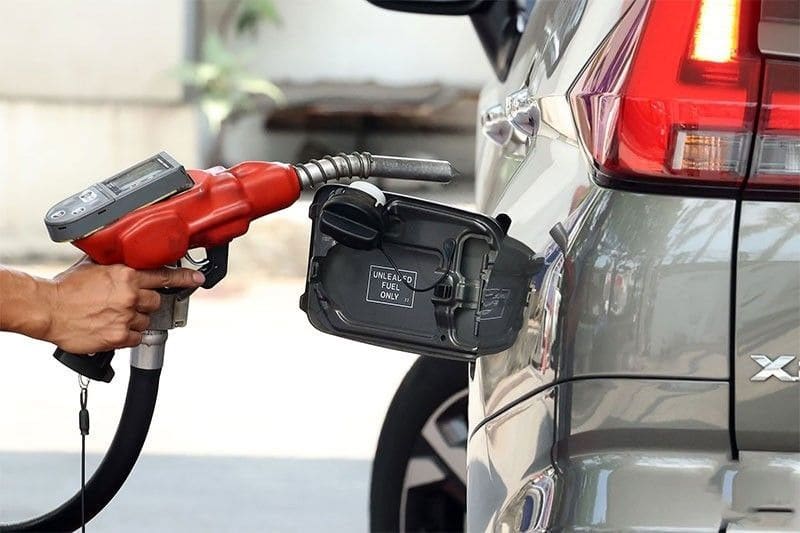
Motorists across the Philippines will face sharply higher costs at the pump starting Tuesday as geopolitical tensions and supply disruptions tighten global oil markets.
KEY TAKEAWAYS
- ·Fuel prices in the Philippines will increase by ₱2.49 per liter for gasoline, ₱3.84 for diesel, and ₱5.01 for kerosene starting August 18, reversing two weeks of rollbacks.
- ·The hikes stem from tight global oil supply due to US-Iran tensions and restricted Strait of Hormuz traffic, with a failed 60-day peace memorandum expiring Monday.
- ·The Philippines maintains 58 days of fuel inventory, but continued Middle East instability threatens further price volatility for the import-dependent economy.
Steep Increases Hit Filipino Drivers
Fuel prices across the Philippines will climb steeply starting Tuesday, August 18, with kerosene leading the surge at ₱5.01 per liter, according to the Department of Energy. The adjustments mark an abrupt reversal after two consecutive weeks of price rollbacks that had provided temporary relief to consumers and transport operators.
Gasoline will rise by ₱2.49 per liter, while diesel will increase by ₱3.84 per liter, the DOE announced Monday. The new rates will remain in effect through August 24. Despite the increases, the country maintains approximately 58 days' worth of fuel inventory, the agency noted.
The timing is particularly sharp for motorists who had benefited from last week's significant reductions: gasoline fell ₱4.70 per liter, diesel dropped ₱4.30, and kerosene declined by ₱4.90 in the previous adjustment period.
Global Supply Constraints Drive Local Costs
The price hikes reflect persistent tightness in global oil markets, where supply remains under pressure from ongoing geopolitical volatility in the Middle East. The Strait of Hormuz, a critical chokepoint for roughly one-fifth of the world's petroleum, continues to experience restricted traffic amid the US-Iran conflict.
The International Energy Agency recently downgraded its global supply forecast as disruptions in the region showed no signs of easing. Production and shipping constraints have kept crude prices elevated despite periodic attempts at diplomatic resolution.
A 60-day memorandum of understanding between Washington and Tehran, signed in June and aimed at de-escalating tensions, expired Monday without yielding a comprehensive peace agreement. The interim deal, designed to halt hostilities and create space for broader negotiations, collapsed within weeks as both governments accused each other of breaching its terms.
Stalled Diplomacy Leaves Markets Uncertain
Talks between the two nations remain deadlocked, with disagreements over access to and security arrangements in the Strait of Hormuz among the primary obstacles to progress. The waterway, which connects the Persian Gulf to the Gulf of Oman, is a vital artery for energy exports from Saudi Arabia, Iraq, the United Arab Emirates, Kuwait, and Iran itself.
The absence of a diplomatic breakthrough leaves oil markets vulnerable to further supply shocks. Any escalation in the conflict or additional restrictions on shipping through the strait could push prices higher, transmitting costs rapidly to import-dependent economies across Asia.
For the Philippines, which relies heavily on imported refined petroleum products, the vulnerability is acute. Transport groups and consumer advocates have repeatedly called for measures to cushion the impact of volatile global prices, including potential subsidies or tax adjustments, though no immediate policy changes have been announced.
What Comes Next
The DOE has not provided guidance on expected price movements beyond the current week. Oil market watchers will be monitoring developments in the Middle East closely, particularly any signals of renewed diplomatic engagement or, conversely, signs of further deterioration in the security environment around key shipping lanes.
Filipino households and businesses, meanwhile, are bracing for the knock-on effects of higher fuel costs. Transport fares, food prices, and logistics expenses are all likely to feel upward pressure if elevated pump prices persist, adding to inflation concerns in an economy still navigating post-pandemic recovery challenges.
RELATED STORIES
Manila's Sovereign Fund Targets Year-End Close on $340 Million Grid Stake
Priyanka V. Rao · 3 min

Philippines Excludes Pax Silica Funding From 2027 Budget as Talks Continue
Priyanka V. Rao · 3 min

ABS-CBN Secures $130 Million as Lopezes Exit Conglomerate Stake
Priyanka V. Rao · 3 min

Philippines Rice Tariff Revenue Climbs to $213 Million on Import Surge
Priyanka V. Rao · 2 min
Spot something wrong? Email editor@briefasia.com. We log every correction publicly.