Asia · Business
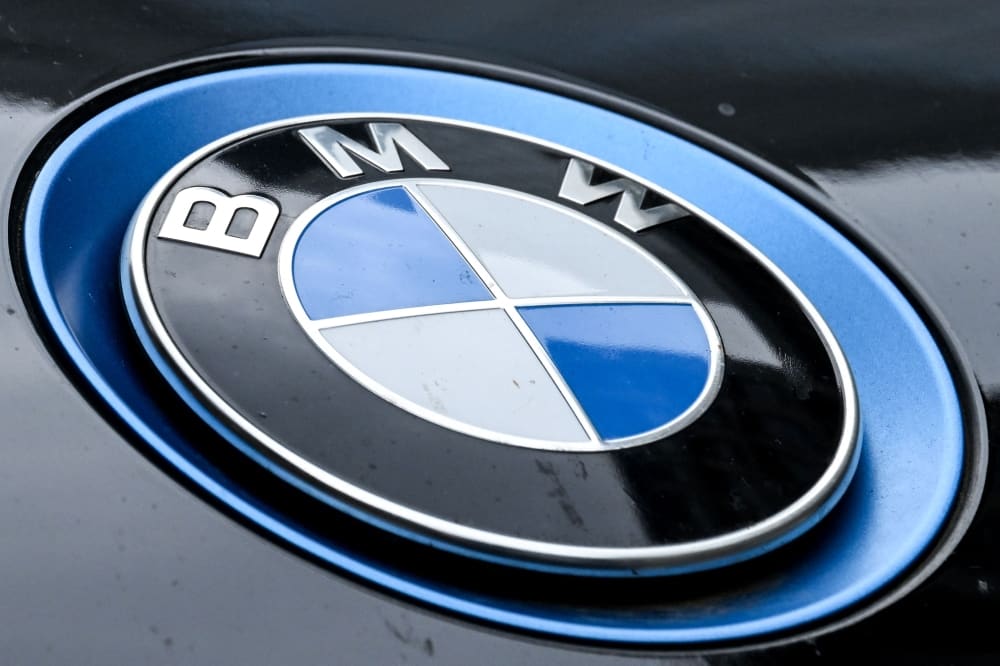
BMW Profit Plunges 35% as China Market Crumbles
The German automaker's second-quarter earnings fell to €1.2 billion as vehicle deliveries in China dropped 30%, triggering plans to cut 8,000 jobs by 2027.
KEY TAKEAWAYS
- ·BMW reported net profit of €1.2 billion for Q2 2026, down 35% year-on-year, as vehicle deliveries in China plunged 30.2% amid fierce local competition.
- ·The automaker plans to cut approximately 8,000 jobs in Germany by end-2027 and warned its core cars margin could fall to just 1% this year.
- ·German premium brands including Mercedes-Benz and Volkswagen Group are implementing similar workforce reductions as China's slowdown appears structural rather than temporary.
German Premium Brands Face Reality Check
BMW posted its weakest quarterly profit in nearly two years, reporting net income of €1.2 billion for the three months ended June, down almost 35 per cent from the same period in 2025. The Munich-based automaker attributed the decline to deteriorating conditions in China, where vehicle deliveries collapsed 30.2 per cent during the quarter.
The result marks BMW's lowest quarterly profit since late 2024, when a defective brake issue cost the company hundreds of millions of euros in recalls and repairs. This time, the damage stems not from manufacturing defects but from structural shifts in the world's largest automotive market.
While BMW managed slight delivery growth in Europe and the United States, China's downturn proved impossible to offset. A sluggish economy combined with aggressive pricing from domestic electric vehicle makers has reshaped competitive dynamics in a market that German premium brands once dominated.
Cost-Cutting Accelerates Across the Industry
Finance chief Walter Mertl acknowledged the pressure, stating that competition in the global automotive market has sharpened noticeably. BMW intends to reduce complexity and establish a sustainably lower cost base through intensified efficiency measures.
The company plans to offer voluntary severance packages to nearly half its German workforce, targeting approximately 8,000 job reductions by the end of 2027. The move signals a strategic retreat from the expansion that characterized the previous decade, when Chinese demand appeared limitless.
BMW is not alone. Mercedes-Benz has launched its own voluntary redundancy programme, while Volkswagen Group - which includes Audi and Porsche alongside its namesake brand - is considering cuts of up to 100,000 positions across all operations. Of those, 50,000 have already been agreed upon.
The scale of these reductions reflects a growing recognition among German automakers that China's slowdown represents a structural shift rather than a temporary blip. Local competitors such as BYD, NIO, and Li Auto have captured market share with competitively priced electric vehicles tailored to Chinese consumer preferences, leaving European imports struggling to justify premium pricing.
Margin Pressure and Revised Expectations
BMW confirmed its adjusted guidance for the full year, projecting a significant decrease in profit. Last month, the company issued a profit warning indicating that its margin in the core cars business could fall as low as one per cent this year, a dramatic compression from the mid-single-digit margins the company typically targets.
The Mini and Rolls-Royce owner cited weakness in China as the primary driver of the downward revision. The warning rattled investors already concerned about the German automotive sector's exposure to geopolitical and competitive risks in Asia.
The pressure on margins comes as BMW and its peers navigate a difficult transition. They must invest heavily in electrification and software capabilities to compete with Chinese and American rivals, while simultaneously defending eroding market share in China and managing softening demand in Europe.
Asia's New Automotive Order
The BMW results underscore a broader realignment in Asian automotive markets. What was once a reliable profit engine for European premium brands has become a battlefield where local players hold significant advantages in cost structure, supply chain integration, and regulatory relationships.
Chinese automakers have moved beyond simple price competition. They now offer sophisticated electric vehicles with advanced driver assistance, connected services, and battery technology that rivals or exceeds what European brands provide. This capability shift has eroded the traditional value proposition that justified premium pricing for German imports.
For BMW and its German peers, the challenge is existential. China accounts for roughly a third of global luxury vehicle sales, and any sustained weakness in that market directly threatens the profitability that funds research, development, and the transition to electric mobility.
The second quarter's 30 per cent delivery drop in China suggests that market share losses are accelerating rather than stabilizing. If this trend continues, the 8,000 job cuts BMW has planned may prove insufficient, and further restructuring could follow.
The coming quarters will test whether German automakers can adapt quickly enough to compete in a market where the rules have fundamentally changed, or whether they will cede ground to a new generation of Asian competitors who understand their home market better and move faster.
RELATED STORIES
India's Chinese Import Bill Climbs Despite Self-Reliance Push
Priyanka V. Rao · 3 min
China's Auto Chip Race Shifts to Volume as Horizon Robotics Crosses 15 Million Units
Jun-ho Seo · 3 min

Li Auto Expands Battery Roster with CALB as Third Supplier
Siti Nuraini · 2 min
China's August Inflation Accelerates on Energy and Typhoon Disruption
Tran Quoc Bao · 2 min
Spot something wrong? Email editor@briefasia.com. We log every correction publicly.