Asia · Business
BHP's Port Hedland Faces 48-Hour Shutdown as Labor Dispute Deepens
Union members at Australia's iron ore gateway push for wage gains amid tough conditions, threatening global supply chains ahead of weekend walkout
KEY TAKEAWAYS
- ·Workers at Port Hedland, the world's largest iron ore export terminal, will strike for 48 hours this weekend seeking higher wages and clearer career progression.
- ·The stoppage threatens to idle 2.7 million tons of export capacity, tightening supply for steel mills across China, Japan, South Korea, and India.
- ·BHP management has expressed frustration with negotiations, while unions cite strong commodity profits as justification for improved compensation terms.
Labor Tensions Boil Over at Critical Export Terminal
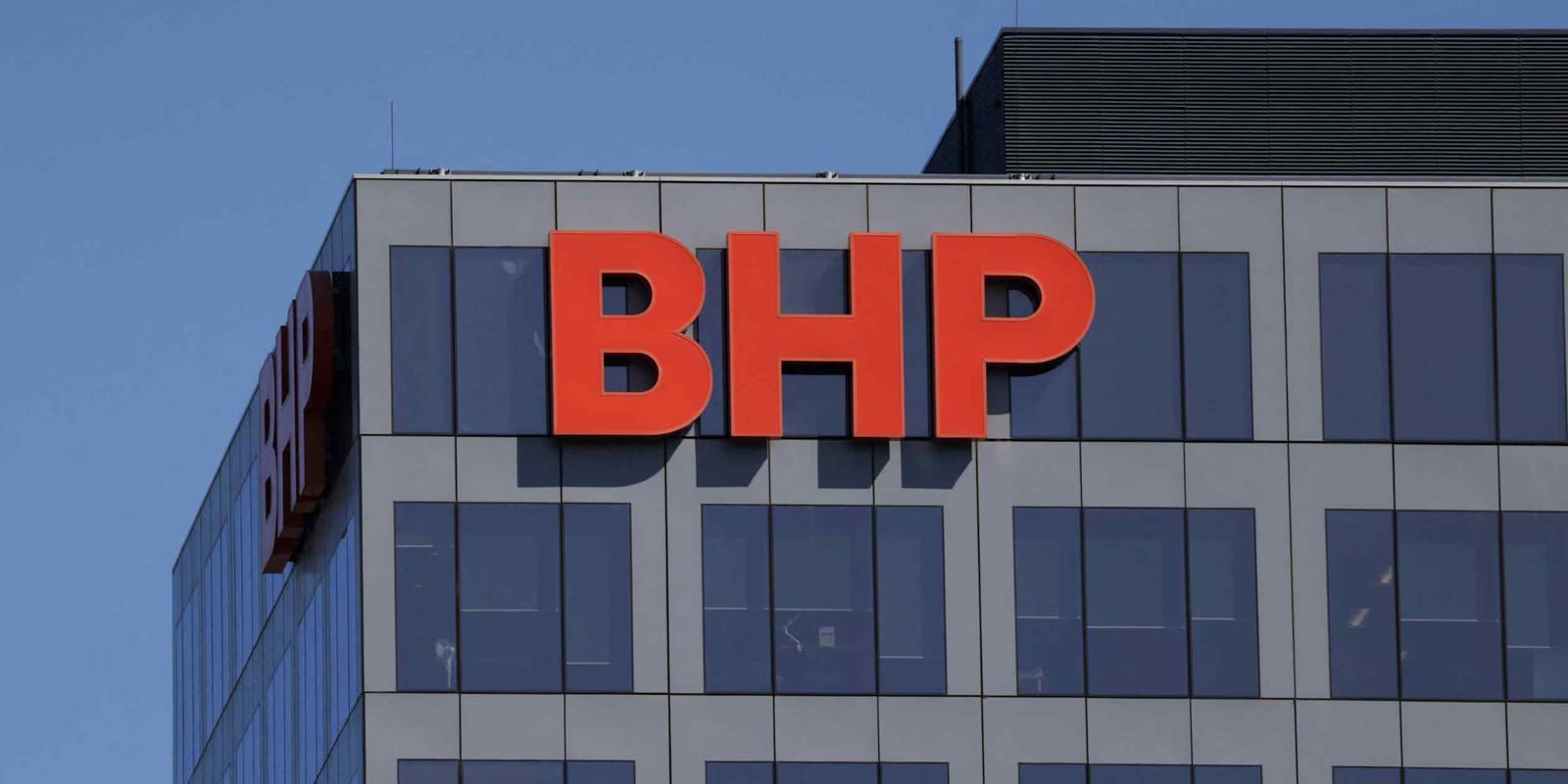
Port Hedland, the world's largest bulk iron ore export facility, will grind to a halt this weekend as unionized workers launch a 48-hour strike action, marking the most significant escalation yet in a protracted wage dispute with BHP. The stoppage threatens to disrupt seaborne iron ore flows at a time when Asian steel mills are already navigating tight supply conditions and elevated raw material costs.
The strike, scheduled to begin Saturday morning local time, represents the culmination of months of stalled negotiations between BHP management and unions representing workers at the Western Australian hub. Union representatives say members are seeking compensation packages that adequately reflect the physical toll of working in one of the world's harshest industrial environments, where temperatures regularly exceed 40 degrees Celsius, shifts stretch beyond twelve hours, and fly-in, fly-out rosters keep workers away from families for weeks at a time.
BHP management acknowledged growing frustration with the pace of negotiations. The miner has yet to disclose specific details of its latest offer, but union sources indicate the gap between management proposals and worker demands remains substantial, particularly on questions of career advancement structures and shift rotation policies.
Regional Supply Chain at Stake
Port Hedland's role in global commodities markets cannot be overstated. The facility ships more than 500 million metric tons of iron ore annually, the majority bound for steel mills in China, Japan, South Korea, and increasingly Vietnam and India. A two-day shutdown would idle roughly 2.7 million tons of export capacity, equivalent to nearly a week of consumption for China's steel sector.
The timing compounds pressure on Asian buyers. Chinese steel producers are already contending with production curbs tied to environmental targets in key manufacturing provinces, while Japanese integrated mills face margin compression from rising energy costs. Any prolonged disruption at Port Hedland would tighten an already firm seaborne iron ore market, potentially pushing benchmark prices toward the $130 per ton threshold last seen during the 2021 commodity supercycle.
Singapore-based commodity trading desks have begun pricing in a risk premium for Australian iron ore cargoes loading in late August. Traders note that even a brief stoppage can cascade through the logistics chain, delaying vessel turnaround times and forcing buyers to secure alternative tonnage from Brazilian suppliers at higher freight costs.
Broader Context of Australian Resource Labor
The Port Hedland dispute reflects a broader pattern across Australia's resource sector, where labor unions have grown increasingly assertive following years of wage restraint and productivity-focused enterprise agreements. Workers at Chevron's liquefied natural gas facilities in Western Australia staged rolling strikes earlier this year, while coal miners in Queensland have secured double-digit wage increases through multi-year agreements that index pay to commodity price movements.
Union negotiators argue that resource sector profits have surged over the past three years, driven by elevated commodity prices and disciplined capital allocation, yet frontline workers have seen only modest gains in real terms after accounting for inflation. They point to BHP's recent financial results, which showed strong cash flow generation from its iron ore division, as evidence that the company can afford more generous terms without jeopardizing shareholder returns.
Management counters that long-term competitiveness depends on maintaining cost discipline, particularly as lower-grade ore bodies come into production and the company invests heavily in decarbonization infrastructure. BHP has committed billions to electrifying its Pilbara rail network and developing renewable energy capacity to power its Western Australian operations, investments that require sustained capital expenditure and operational flexibility.
What Happens Next
The 48-hour strike will test both sides' resolve. If the stoppage proceeds as planned, BHP will face immediate pressure from Asian customers whose just-in-time procurement strategies leave little buffer for supply interruptions. Major Japanese trading houses have already reached out to Brazilian miners to explore backup supply options, though logistics constraints limit the speed at which alternative cargoes can reach Asian ports.
Union officials have signaled willingness to extend strike action beyond the weekend if negotiations remain deadlocked. A protracted dispute could force BHP to invoke force majeure clauses in supply contracts, a move that would formalize the disruption but also escalate reputational and commercial risks for the miner.
Australian federal labor regulators have thus far declined to intervene, reflecting the government's stated preference for enterprise-level bargaining even in sectors critical to national export earnings. However, prolonged disruption at Port Hedland would almost certainly draw political attention, particularly if it threatens to derail iron ore export revenues that contribute significantly to federal and state budgets.
For now, the focus remains on this weekend. If the strike unfolds without incident and both parties return to the negotiating table with renewed urgency, the disruption may prove short-lived. But if positions harden, Port Hedland could become the epicenter of a labor standoff with implications reaching far beyond Western Australia, reverberating through Asian steel mills, commodity trading desks, and global supply chains that depend on the steady flow of iron ore from the Pilbara to the furnaces of East Asia.
RELATED STORIES

Australia's Teen Social Media Ban Faces Reality Check as 80 Percent Still Log On
Priyanka V. Rao · 4 min

Singtel's Optus Faces Federal Court Action Over Triple-Zero Failures
Priyanka V. Rao · 4 min
Australia Eyes New Oil Refinery as Middle East War Exposes Import Dependence
Priyanka V. Rao · 3 min

Canberra Pushes Back on Washington Trade Penalties Over Labour Claims
Priyanka V. Rao · 4 min
Spot something wrong? Email editor@briefasia.com. We log every correction publicly.