Asia · Trade
Beijing Pushes Back on Industrial Overcapacity Critique
China's commerce ministry released a policy paper defending its manufacturing strategy and rejecting claims that domestic production exceeds demand.
KEY TAKEAWAYS
- ·China's Ministry of Commerce issued a paper on July 28 rejecting overcapacity claims and framing them as justification for trade barriers.
- ·The document argues that production levels match domestic demand and export contracts, while critics cite state subsidies as distorting global markets.
- ·Asian supply chains face disruption risk if major economies impose new tariffs or quotas on Chinese goods in response to the dispute.
A Defense of Scale
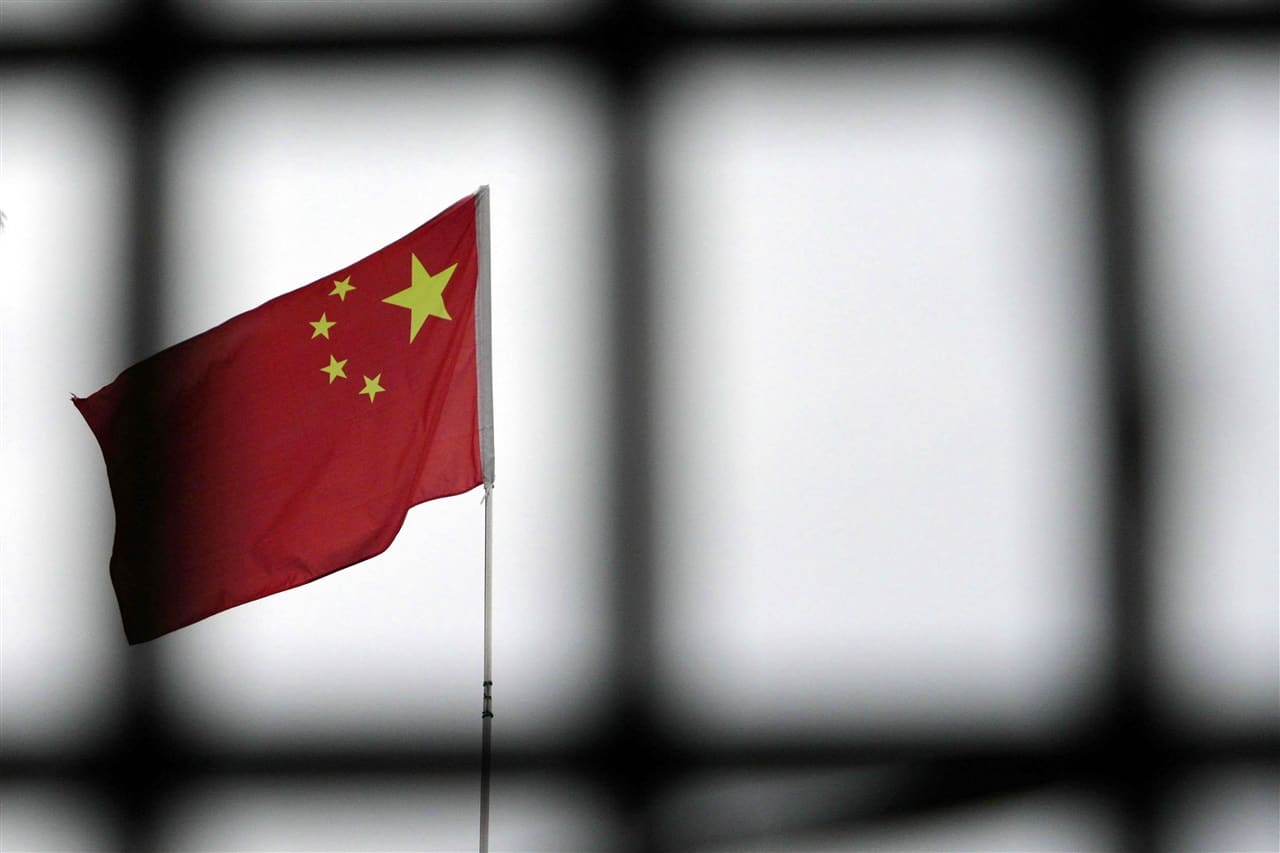
China's Ministry of Commerce released a policy document on July 28 rejecting the characterization of its industrial output as excessive, framing the overcapacity critique as a rationale for protectionist barriers. The paper marks Beijing's latest effort to counter narratives that have gained traction in Washington, Brussels and other capitals as governments weigh tariffs and export controls on Chinese goods ranging from solar panels to electric vehicles.
The ministry's position centers on three arguments: that production capacity aligned with domestic demand and export contracts does not constitute excess; that global supply chains depend on China's manufacturing base; and that accusations of overcapacity often mask an unwillingness to compete on cost and efficiency.
Trade and Industrial Policy
Beijing has faced mounting pressure over its industrial subsidies, which critics say distort global markets by enabling Chinese firms to flood exports at artificially low prices. The European Commission opened an anti-subsidy investigation into Chinese battery electric vehicles in October 2023, citing concerns that state support allowed manufacturers to undercut European rivals. The United States has maintained tariffs on Chinese steel and aluminum since 2018, with successive administrations citing overcapacity as a threat to domestic producers.
China's new paper disputes the premise. According to the ministry, capacity utilization rates in key sectors remain within normal ranges, and production scales reflect both internal consumption and legitimate export demand. The document also points to infrastructure investment and urbanization as drivers of continued industrial expansion, arguing that what outside observers label as excess is in fact strategic positioning for future growth.
Regional Context
The debate carries particular weight across Asia, where economies are tied to China through trade flows and manufacturing networks. Vietnam, Thailand and Malaysia have integrated into supply chains that depend on Chinese intermediate goods, from lithium compounds for batteries to petrochemical feedstocks. Any trade measures that limit Chinese exports or trigger retaliatory tariffs risk disrupting these linkages.
Japan and South Korea, both advanced manufacturing hubs, have watched Beijing's industrial policy with a mix of concern and pragmatism. Tokyo has coordinated with Washington on export controls for semiconductor equipment bound for China, while Seoul has tried to balance security commitments with commercial interests in the mainland market. The overcapacity question intersects with these broader tensions, as governments weigh whether Chinese production represents competitive advantage or market distortion.
What Comes Next
The policy paper is unlikely to settle the argument. Trade officials in the United States and Europe have signaled that subsidy investigations and tariff reviews will continue, particularly in green technology sectors where China has built dominant positions. The European Commission is expected to conclude its EV probe later this year, with provisional duties possible if investigators find evidence of actionable subsidies.
For Asian markets, the immediate concern is whether escalating rhetoric translates into new trade barriers that fragment supply chains. If major economies impose duties or quotas on Chinese goods, manufacturers across the region will need to reconfigure sourcing and assembly to avoid getting caught in crossfire. The ministry's defense of its industrial strategy suggests Beijing has no intention of scaling back state support, setting the stage for prolonged friction over the terms of global trade.
RELATED STORIES
China Imposes Anti-Dumping Measures on Japanese Semiconductor Chemical Imports
Jun-ho Seo · 3 min
India's Chinese Import Bill Climbs Despite Self-Reliance Push
Priyanka V. Rao · 3 min
China's August Inflation Accelerates on Energy and Typhoon Disruption
Tran Quoc Bao · 2 min
Malaysia's Rare Earth Deposits Draw Foreign Interest Ahead of China Export Controls
Priyanka V. Rao · 3 min
Spot something wrong? Email editor@briefasia.com. We log every correction publicly.