Sustainability · Energy
Asia Races to Secure Energy Supply Amid Iran Crisis
Regional governments and companies accelerate fuel storage expansion and diversify supply routes as Middle East tensions expose vulnerability in energy infrastructure
KEY TAKEAWAYS
- ·Asian governments are accelerating fuel storage expansion and supply diversification following supply disruptions from the Iran crisis, with Japan directing utilities to maintain elevated LNG inventories.
- ·Spot LNG prices in Asia have risen 18 percent since tensions escalated, prompting utilities to secure fixed-price contracts and exposing infrastructure gaps in Southeast Asian nations with limited storage capacity.
- ·Regional cooperation on energy security is advancing from policy discussions to active negotiations as nations recognize shared vulnerability and the need for coordinated emergency response mechanisms.
Strategic Reserves Get Priority
Energy-dependent Asian economies are moving quickly to bolster fuel stockpiles and reroute supply chains as the Iran crisis exposes long-standing vulnerabilities in regional energy security. From Mumbai to Tokyo, storage infrastructure that once seemed adequate now appears insufficient against geopolitical shocks that can disrupt flows within days.
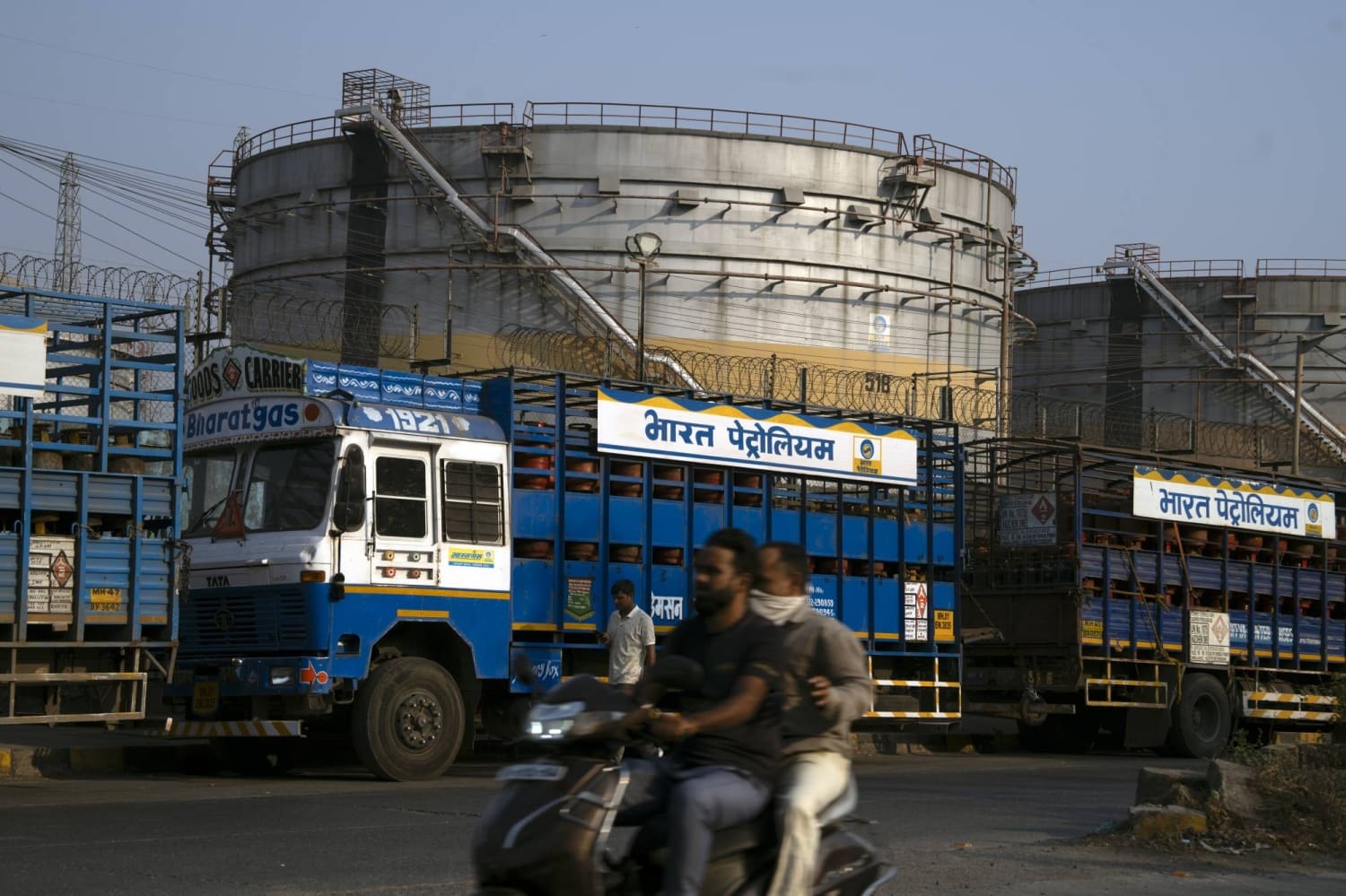
India has accelerated construction of liquefied natural gas storage terminals along its western coast, with facilities in Mumbai handling increased throughput from non-Middle Eastern suppliers. The shift reflects a broader pattern across the region, where governments and private companies alike are reassessing how much fuel they need on hand to weather supply disruptions.
Japan's Ministry of Economy, Trade and Industry has instructed utilities to maintain higher-than-normal inventories of LNG through the third quarter, a measure that echoes policies implemented during previous Middle East crises. The directive comes as Japanese importers diversify purchase agreements to include more Australian and American cargoes, reducing reliance on supplies that transit the Strait of Hormuz.
Supply Routes Under Review
South Korea's state-run Korea Gas Corporation is negotiating new long-term contracts with suppliers in Qatar and the United States, aiming to reduce the share of Iranian and Iraqi gas in its portfolio. The company has also begun chartering additional tankers to ensure redundancy in shipping capacity, a costly but necessary hedge against route closures.
Singapore, which serves as a regional trading hub for petroleum products, has seen a surge in storage lease agreements as traders position inventories closer to end markets. Tank farms on Jurong Island report utilization rates above 90 percent, the highest in three years, as companies prepare for potential supply interruptions from the Persian Gulf.
China's approach combines immediate tactical adjustments with longer-term strategic planning. State oil companies are drawing on domestic reserves while accelerating pipeline imports from Russia and Central Asia. Beijing has also quietly increased purchases of oil from West African producers, spreading risk across multiple source regions.
Infrastructure Gaps Exposed
The current crisis has revealed gaps in regional energy infrastructure that had been masked during periods of stable supply. Several Southeast Asian nations lack adequate storage capacity to cover more than a few weeks of consumption, leaving them exposed to price spikes and physical shortages when shipping routes face disruption.
Indonesia is fast-tracking construction of floating storage and regasification units at key ports, a project that had languished due to budget constraints but now enjoys renewed government support. Vietnam has similarly revived plans for expanded petroleum storage near its major industrial zones, recognizing that manufacturing competitiveness depends on reliable energy access.
The Philippines faces particular challenges given its archipelagic geography and limited inter-island fuel distribution networks. Manila has opened bidding for new storage terminals in Mindanao and the Visayas, while also exploring agreements with neighboring countries for emergency fuel-sharing arrangements.
Market Dynamics Shift
Spot LNG prices in Asia have climbed 18 percent since tensions escalated, prompting utilities to lock in fixed-price contracts even at elevated rates. The premium for near-term delivery reflects concern that current supply tensions could persist or worsen, making future spot purchases even more expensive.
Refiners across the region are adjusting crude slates to incorporate more non-Middle Eastern grades, a technical challenge that requires modifications to processing units designed around specific feedstock characteristics. The operational flexibility comes at a cost, but companies view it as essential insurance against concentrated supply risk.
Power generators in India and Thailand are burning more coal as a temporary measure to conserve gas supplies, a move that reverses recent progress on emissions reduction. Governments frame the shift as a short-term necessity while longer-term gas supply arrangements are secured, though environmental advocates warn against backsliding on climate commitments.
Lessons Taking Shape
The immediate response to the Iran crisis is already shaping energy policy across Asia for years to come. Governments that previously resisted the expense of maintaining large strategic reserves now view such stockpiles as fundamental to economic security. Private companies are building supply chain resilience into capital allocation decisions, accepting higher inventory costs as the price of operational continuity.
Regional cooperation on energy security, long discussed but rarely implemented, is gaining traction as nations recognize mutual vulnerability. Proposals for shared storage facilities and coordinated emergency response protocols are moving from concept papers to negotiating tables, driven by the recognition that isolated national approaches leave gaps that market disruptions will exploit.
The crisis serves as a stress test for Asia's energy systems at a moment when the region accounts for more than half of global energy demand growth. How effectively governments and companies apply these lessons will determine not only their resilience to future shocks but also the pace at which the region can pursue its broader energy transition goals without sacrificing security of supply.
RELATED STORIES
Human Development Patterns Drive Assam's Deadly 2026 Floods
Priyanka V. Rao · 3 min
South Asia Loses 31 Million Full-Time Jobs Annually to Extreme Heat
Priyanka V. Rao · 3 min

Mumbai's Electric Bus Push Leaves Drivers in Precarious Contracts
Priyanka V. Rao · 4 min
Oil Stockpiles Fall as Hormuz Disruption Stalls Middle East Shipments
Cheng Wei-Lun · 3 min
Spot something wrong? Email editor@briefasia.com. We log every correction publicly.