Technology · Policy
Apple Seeks Chinese Memory Chips for Overseas iPhones as Micron Objects
The dispute over ChangXin Memory Technologies suppliers forces the White House to weigh cost reduction against domestic semiconductor goals
KEY TAKEAWAYS
- ·Apple is lobbying to buy memory chips from Chinese manufacturer ChangXin Memory Technologies for devices sold outside the United States, a plan Micron Technology opposes.
- ·The dispute forces the Trump administration to choose between lowering consumer electronics costs and protecting domestic semiconductor production capacity.
- ·A White House decision in Apple's favor could set a precedent for other US tech firms to source Chinese components for export markets.
A Transatlantic Supply Chain Dispute
Apple is pushing to purchase memory chips from Chinese manufacturer ChangXin Memory Technologies for iPhones and other devices destined for markets outside the United States. The move has triggered opposition from Micron Technology, the largest American memory chipmaker, setting up a policy collision within the Trump administration.
Both companies have mounted lobbying campaigns directed at the White House, according to industry sources familiar with the matter. The dispute places the administration in an awkward position: approving Apple's request would lower production costs and potentially reduce device prices, aligning with consumer-focused economic policy. Blocking it would protect Micron's market share and support domestic semiconductor capacity, a strategic priority under current industrial policy.
The CXMT Factor
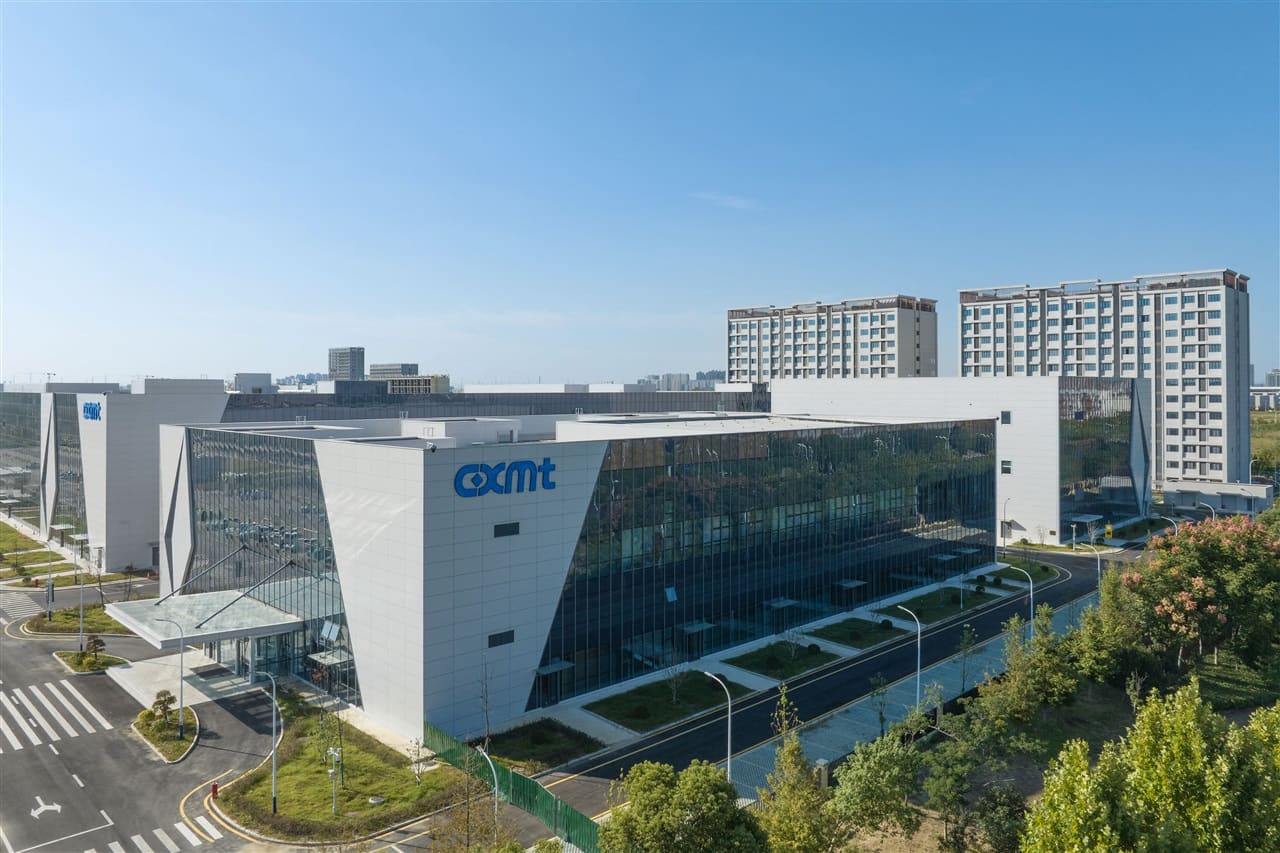
ChangXin Memory Technologies, based in Hefei, has emerged as a credible alternative supplier in the DRAM market over the past three years. The company produces memory chips at price points typically 15 to 20 percent below those of incumbent suppliers, a margin that becomes significant at Apple's production volumes.
Apple's proposal would limit CXMT chips to devices manufactured for and sold in non-US markets, a geographic firewall intended to address national security concerns while capturing cost benefits. The company assembles the majority of its hardware in China and India, with finished products shipped globally based on regional demand.
Micron has argued that any Apple partnership with CXMT strengthens a Chinese competitor at the expense of US semiconductor leadership. The company has invested over USD 15 billion in domestic fabrication facilities since 2022, supported by CHIPS Act subsidies intended to reshore advanced manufacturing.
Competing Administration Priorities
The White House faces competing mandates. President Trump has repeatedly criticized consumer electronics prices and called for measures to reduce costs. At the same time, his administration has championed domestic chip production as a matter of economic security, funneling federal support to companies like Micron, Intel, and Texas Instruments.
Allowing Apple to source CXMT chips would represent a de facto acknowledgment that cost pressures outweigh supply chain nationalism, at least for products sold abroad. Denying the request would signal that semiconductor policy takes precedence, even when it raises costs for American companies operating in global markets.
The dispute also intersects with ongoing export control debates. US authorities have restricted sales of advanced chipmaking equipment to Chinese manufacturers, including CXMT, slowing but not halting the company's capacity expansion. Apple's proposal would test whether those controls extend to procurement decisions by US firms for offshore production.
What Comes Next
Neither Apple nor Micron has commented publicly on the lobbying effort. The White House has not indicated a timeline for a decision, and it remains unclear whether formal regulatory action is required or whether the administration will issue guidance that effectively settles the matter.
Industry analysts expect the decision to set a precedent for other US technology companies navigating similar supply chain trade-offs. Qualcomm, Broadcom, and AMD all source components from Chinese suppliers for products sold in Asia and Europe, and a ruling in Apple's favor could open the door to broader use of lower-cost Chinese semiconductors in export-oriented manufacturing.
The outcome will clarify how the administration prioritizes its industrial policy objectives when they conflict. For now, both Apple and Micron are pressing their cases, and the White House is in the middle.
RELATED STORIES

Kioxia Pushes Flash Memory to Replace DRAM Amid Market Squeeze
Jun-ho Seo · 3 min

China's Auto Chip Race Shifts to Volume as Horizon Robotics Crosses 15 Million Units
Jun-ho Seo · 3 min

China Scrubs 5.6 Million AI-Generated Posts in Platform Cleanup
Cheng Wei-Lun · 3 min

Sharpa Secures $668 Million at $3.3 Billion Valuation in Tech Giant-Backed Round
Cheng Wei-Lun · 2 min
Spot something wrong? Email editor@briefasia.com. We log every correction publicly.