Finance · Deals
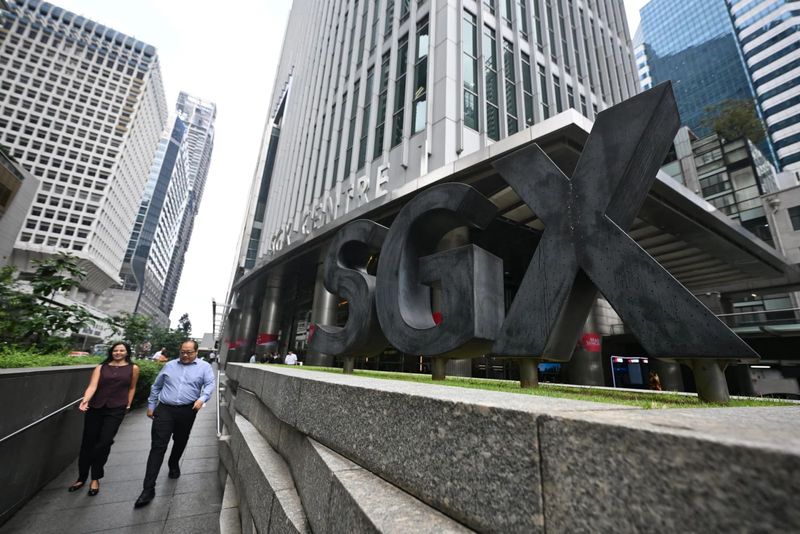
Ambiq Micro Plans Singapore Secondary Listing to Deepen Asia Presence
The US chip designer is launching a multi-year R&D program in the city-state for its Spot platform, signaling a strategic shift beyond American markets.

KEY TAKEAWAYS
- ·Ambiq Micro is preparing a secondary listing on the Singapore Exchange following its US$96 million NYSE IPO in July 2025.
- ·The company is establishing a multi-year R&D program in Singapore focused on its Spot edge-AI platform for regional use cases.
- ·The dual-listing strategy aims to broaden Ambiq's Asian investor base and signal long-term commitment to the Asia-Pacific market.
A Deliberate Move Beyond New York
Ambiq Micro, the Austin-based semiconductor company known for ultra-low-power chips, is preparing a secondary listing on the Singapore Exchange. CEO Fumihide Esaka describes the move as more than a capital markets exercise: it represents a commitment to operating as a truly global enterprise rather than a US-centric one.
The company completed a US$96 million initial public offering on the New York Stock Exchange in July 2025. Now, barely a year later, it is adding a Singapore trading venue to ease access for Asian institutional and retail investors who have grown increasingly interested in the firm's power-efficient chip architectures.
Esaka argues that many technology companies describe themselves as global while maintaining a narrow geographic focus in their operations and investor base. The SGX listing, he says, signals that Ambiq intends to embed itself more deeply in the Asia-Pacific ecosystem.
Singapore as an R&D Anchor
Alongside the listing plans, Ambiq is launching a multi-year research and development program in Singapore centered on its Spot platform. Spot is the company's framework for building edge-AI devices that run on minimal power, targeting applications in wearables, industrial sensors, and smart-home products.
Singapore has emerged as a strategic hub for semiconductor R&D in Southeast Asia, supported by government incentives and proximity to major manufacturing clusters in Malaysia and Taiwan. Ambiq's decision to house a dedicated Spot engineering team in the city-state reflects a broader trend among US chip designers seeking to diversify their talent pools and tap into regional supply chains.
The R&D program will focus on optimizing Spot for regional use cases, including tropical climate resilience and integration with Asian IoT standards. This localization effort is critical as the company pursues design wins with original equipment manufacturers based in Japan, South Korea, and China.
Why Dual Listings Matter for Chip Firms
Secondary listings have become a favored tool for technology companies aiming to raise their profile in Asia without surrendering control or triggering complex cross-border regulatory reviews. By maintaining its primary listing in New York while adding Singapore, Ambiq preserves its US investor relationships while opening a channel to sovereign wealth funds, family offices, and asset managers in the region.
The move also positions Ambiq to benefit from currency diversification and time-zone overlap with Asian trading hours, making it easier for regional funds to adjust positions without waiting for US market opens.
For Singapore, landing secondary listings from high-growth chip designers strengthens SGX's positioning as a technology finance hub. The exchange has been working to attract semiconductor and AI-related issuers as competition intensifies with Hong Kong and Tokyo for regional capital flows.
What Comes Next
Ambiq has not disclosed a timeline for the SGX listing or the size of any potential capital raise tied to the event. The company is expected to file preliminary prospectus documents with the Monetary Authority of Singapore in the coming months.
Meanwhile, the Singapore R&D center is already staffing up, with hiring focused on analog design engineers and embedded software developers. The facility will operate alongside Ambiq's existing design centers in the US and India, creating a follow-the-sun development model that accelerates product cycles.
As semiconductor supply chains continue to regionalize in response to export controls and geopolitical friction, companies like Ambiq are finding that geographic diversification is not just a risk-mitigation strategy but a competitive advantage. A secondary listing and a local R&D footprint send a clear message to Asian customers and partners: the company is here for the long term.
RELATED STORIES

DBS Doubles Down on Asia, Ruling Out Global Expansion
Anand Sundaram · 3 min

Grab Pursues Majority Stake in Buy-Now-Pay-Later Platform Atome
Jun-ho Seo · 3 min
Singapore Brokerages Raise STI Targets on Earnings Strength
Jun-ho Seo · 3 min

Addvalue Technologies Lands $5 Million in Space and Radio Contracts
Tran Quoc Bao · 3 min
Spot something wrong? Email editor@briefasia.com. We log every correction publicly.