Travel & Dining · Trends
AirAsia Philippines Secures Fresh Capital for A220 Fleet Expansion
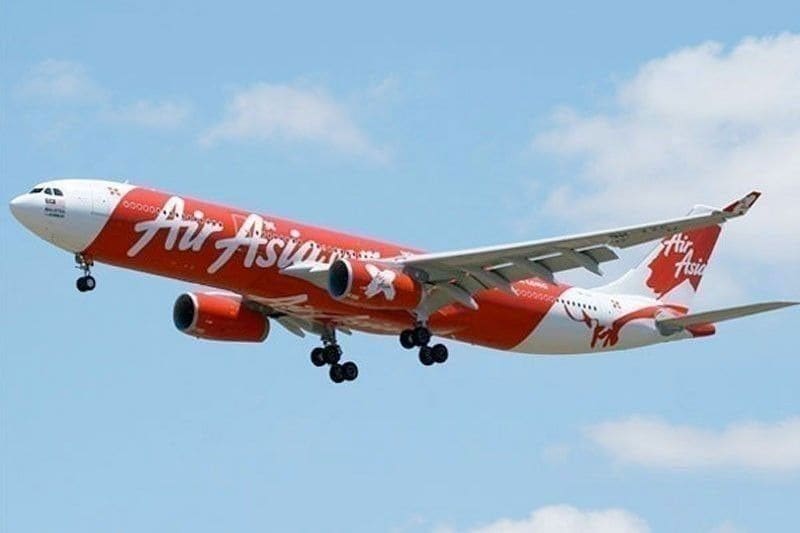
Tony Fernandes confirms new shareholder ahead of Airbus A220 deliveries set to open regional routes previously inaccessible to the carrier's existing fleet.
KEY TAKEAWAYS
- ·AirAsia Philippines has secured an undisclosed investor to fund fleet expansion and settle regulatory obligations, with CEO Tony Fernandes finalising the deal in Manila on 21 September.
- ·The carrier will introduce Airbus A220s from 2028, replacing its A320 fleet; the aircraft can land at turboprop-sized airports while seating up to 160 passengers and flying 3,450 nautical miles.
- ·AirAsia Philippines settled ₱271.94 million in overdue fees with the Civil Aviation Authority in June to avoid being barred from provincial airports.
New Investor Shores Up Capital Base
AirAsia Philippines has brought in a new investor to strengthen its balance sheet ahead of planned fleet and network expansion, according to group chief executive Tony Fernandes. The identity of the incoming shareholder remains undisclosed, but Fernandes confirmed expansion projects would begin before additional aircraft arrive.
The Philippine unit is preparing to welcome Airbus A220s starting in 2028, replacing its current A320 fleet which the carrier will begin retiring this year. Fernandes travelled to Manila on 21 September to finalise investment terms with the new partner.
"We have restructured, we shrunk the airline down, but now with the A220, we have some other plans," Fernandes stated.
The capital injection addresses a pressing need. In June, AirAsia Philippines settled an outstanding balance of ₱271.94 million (approximately US$4.8 million) with the Civil Aviation Authority of the Philippines to avoid flight disruptions. The regulator had threatened to bar the carrier from provincial airports if the debt remained unpaid.
A220 Opens Turboprop-Sized Airports
The A220 brings operational flexibility that the carrier's existing A320s cannot match. The narrowbody jet can land on runways designed for turboprops, opening access to smaller regional airports across the Philippines and neighbouring Southeast Asian markets.
Despite its ability to operate from tighter airfields, the A220 retains full narrowbody capability. The aircraft seats up to 160 passengers and offers a range of 3,450 nautical miles, making it viable for both domestic hops and longer regional sectors.
This combination positions AirAsia Philippines to serve secondary cities and island destinations that currently rely on smaller turboprop operators, while maintaining the unit economics of jet operations. The carrier has not disclosed how many A220s it will take or the delivery schedule beyond the 2028 start date.
Cost Pressures Persist Across the Network
Like other carriers in the region, AirAsia has faced sustained pressure from elevated fuel prices. The airline has managed to offset roughly 70 per cent of fuel cost increases through fare adjustments, but margins remain tight across its network.
The parent company, AirAsia, was named World's Best Low-Cost Carrier for the 17th consecutive year at the Skytrax World Airline Awards 2026, held last week. The recognition underscores the group's continued brand strength even as individual operating units navigate financial strain.
Regulatory Compliance Remains a Hurdle
The June payment to the Civil Aviation Authority of the Philippines highlighted ongoing compliance challenges for the Philippine unit. Aviation fees, landing charges, and regulatory obligations have accumulated as the carrier scaled back operations during the restructuring phase.
The incoming investment is expected to provide the working capital needed to meet these obligations while funding the transition to the A220 fleet. Fernandes did not specify the size of the investment or the equity stake being acquired.
Industry observers note that the A220's lower operating costs per seat and improved fuel efficiency could ease the financial pressure, provided the carrier can secure sufficient traffic to fill the additional capacity. The aircraft's ability to serve thinner routes may also reduce reliance on highly competitive trunk routes where fare competition is most intense.
The new investor's entry signals renewed confidence in the Philippine aviation market, which has seen robust domestic travel demand post-pandemic but remains sensitive to fuel price volatility and currency fluctuations. AirAsia Philippines will need to balance network expansion with cost discipline as it integrates the new fleet type and rebuilds its route map.
RELATED STORIES
AirAsia Sells Factory-Fresh Jets to Vietnamese Carrier as Cash Squeeze Tightens
Jun-ho Seo · 3 min

Indigenous Community Faces Uncertainty as US-Backed Tech Hub Plans Advance in Central Philippines
Mariel D. Santos · 3 min

Southeast Asian Exporters Brace for Renewed US Tariff Pressure
Anand Sundaram · 5 min

Singapore Capital Leads Southeast Asian Surge in Hong Kong Property Deals
Tran Quoc Bao · 3 min
Spot something wrong? Email editor@briefasia.com. We log every correction publicly.