Travel & Dining · Trends
AirAsia Sells Factory-Fresh Jets to Vietnamese Carrier as Cash Squeeze Tightens
The Malaysian low-cost carrier has offloaded six new Airbus A321neos without ever flying them, an uncommon move that underscores mounting financial pressure from surging fuel costs and operational losses.
KEY TAKEAWAYS
- ·AirAsia has sold six newly delivered Airbus A321neo aircraft to lessor BBAM since early 2025 without putting them into service, an uncommon transaction for carriers.
- ·Fuel expenses surged 58 per cent in the second quarter after Middle East conflict drove prices higher, causing AirAsia's largest quarterly loss in four years and cash balance of RM954 million.
- ·Vietnamese start-up Sun PhuQuoc Airways now operates 14 aircraft sourced directly from AirAsia and will receive a fifteenth in October as the Malaysian carrier prioritises liquidity.
Unorthodox Fleet Disposal
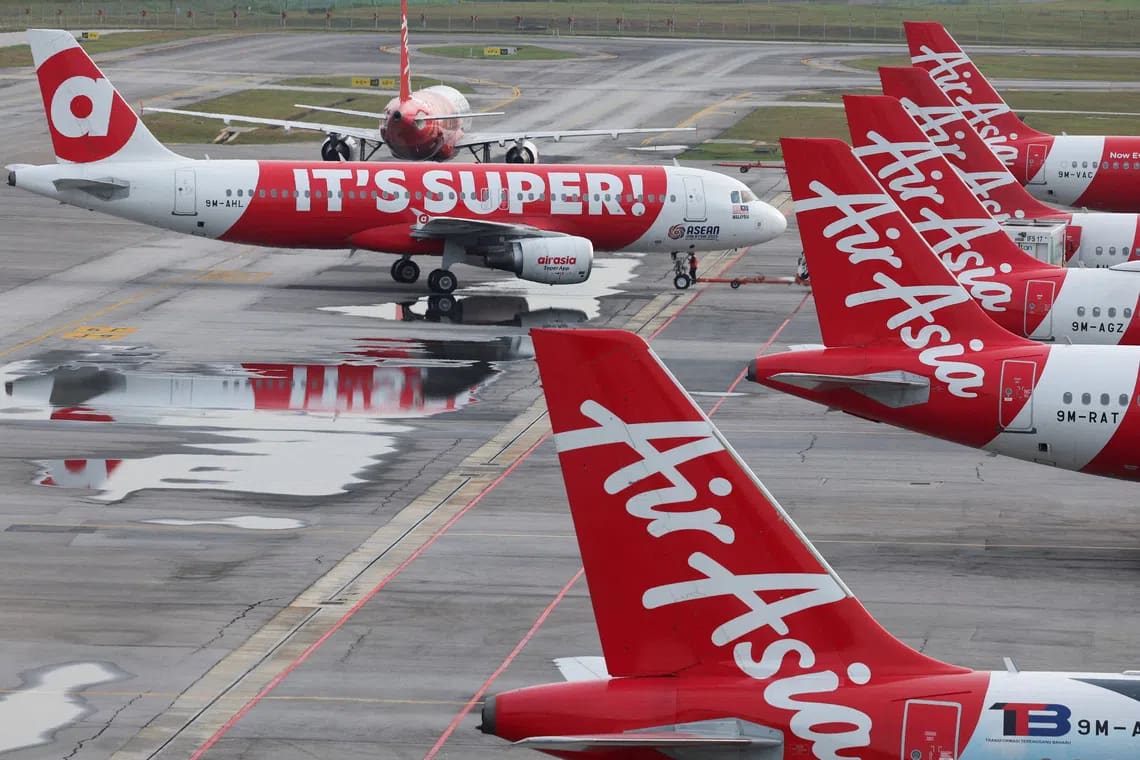
AirAsia Group has offloaded six factory-fresh Airbus A321neo aircraft since early 2025, including two in July, without ever putting them into commercial service. The Malaysian low-cost carrier took delivery of ten new jets from Airbus during the same period but sold six directly to lessor BBAM, according to data from Cirium Fleet Analyzer. Vietnamese start-up Sun PhuQuoc Airways now operates these aircraft.
The transactions mark an unusual departure from standard industry practice. Airlines routinely arrange sale-and-leaseback agreements on new deliveries, swapping upfront purchase costs for regular lease payments whilst retaining operational use. Outright sales of never-flown aircraft remain rare.
Independent aviation capital markets analyst Andrew Light noted the abnormality. Selling a newly delivered aircraft without a leaseback component likely aims to maximise immediate liquidity, he observed. The jets reportedly still wore AirAsia livery when disposed of.
Fuel Shock and Liquidity Strain
The carrier's financial position has deteriorated sharply in 2026 following the outbreak of conflict in the Middle East, which drove oil and jet fuel prices upward. AirAsia does not hedge fuel purchases, leaving it fully exposed to price volatility. Fuel expenses jumped 58 per cent in the second quarter, triggering the company's largest quarterly loss in four years.
Low-cost carriers face steeper challenges than full-service airlines when fuel prices rise, as price-sensitive passengers resist fare increases. AirAsia held RM954 million (approximately US$298 million) in cash and equivalents at the end of June, among the lowest balances of airlines tracked globally. The carrier has sought to use collateral on a private-credit loan to pay lessors and has fallen behind on payments to suppliers, requesting deferrals on at least a dozen aircraft.
AirAsia shares have declined nearly 75 per cent since late February when the Iran conflict began, making it the worst performer in the 58-member Bloomberg World Airlines Index.
Fleet Paradox
Of the 239 Airbus aircraft in AirAsia's fleet at the end of June, only 161 were operational. The airline stated it would return 25 older aircraft in 2026 to optimise the fleet, but made no public mention of disposing of brand-new planes.
Co-founder Tony Fernandes has emphasised fleet modernisation to combat higher fuel costs, yet the sale of fuel-efficient next-generation jets appears to contradict that strategy. The A321neo family offers significantly lower fuel burn than older narrowbody models, typically a priority for cost-conscious carriers.
Vietnamese Beneficiary
Sun PhuQuoc Airways, which launched in November 2025, has expanded rapidly to a fleet of 19 aircraft. Fourteen of these have come directly from AirAsia through purchase or lease arrangements. Cirium records indicate a fifteenth aircraft, delivered to AirAsia in July, remains in the Malaysian carrier's possession but is scheduled for transfer to Sun PhuQuoc in October.
The Vietnamese carrier's rapid fleet build and its reliance on AirAsia-sourced aircraft suggest opportunistic acquisition at a moment when the Malaysian airline prioritises liquidity over capacity growth. Sun PhuQuoc Airways, its parent Sun Group, and BBAM did not respond to requests for comment.
Regional Implications
Malaysia's government has begun monitoring AirAsia's financial health, with the finance ministry hiring an adviser to assess funding needs and holding discussions with rival carriers. The carrier's difficulties arrive as Southeast Asian air travel demand recovers unevenly and as competition intensifies on regional routes.
AirAsia and its management team did not respond to repeated requests for comment on the aircraft sales or broader financial position. The lack of disclosure around the disposal of new aircraft raises questions about transparency and the full scope of asset realignment underway.
RELATED STORIES
Malaysia Hospital Group A1Health Prepares US$1.7 Billion IPO for Early 2027
Tran Quoc Bao · 2 min

Laos Hydropower Faces Solar and Wind Competition as Regional Grid Expands
Tran Quoc Bao · 4 min

Five ASEAN Members Back Regional Oil Stockpile as Study Nears Completion
Tran Quoc Bao · 3 min

Southeast Asian Firms Overlook Digital Pact Worth USD 2 Trillion
Lim Hui Ying · 4 min
Spot something wrong? Email editor@briefasia.com. We log every correction publicly.