Finance · Deals
Aeon Sells Thai Supermarket Unit to Central Group in Southeast Asia Pivot
Japanese retail giant exits Thailand's grocery sector to concentrate resources on Vietnam expansion
KEY TAKEAWAYS
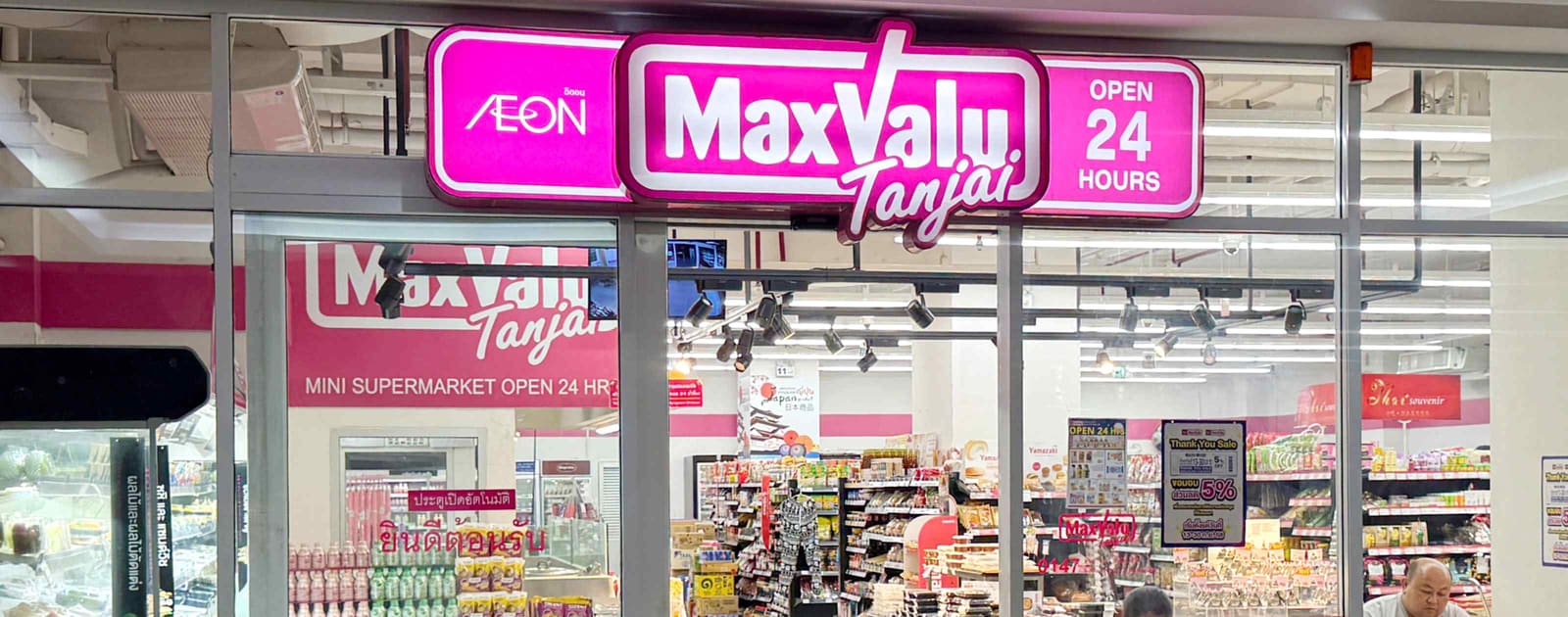
- ·Aeon is selling its Thai supermarket subsidiary, including MaxValu stores, to Central Group and will fully exit Thailand's grocery sector.
- ·The Japanese retailer is redirecting capital to Vietnam, where it plans to triple its shopping mall count to 30 locations.
- ·Central Group, Thailand's largest retailer, will absorb Aeon's stores and integrate them into its existing grocery portfolio.
A Strategic Retreat
Aeon announced plans Friday to offload its Thai supermarket subsidiary to Central Group, Thailand's largest retailer, in a deal that marks the Japanese company's complete exit from the country's grocery business. The move signals a deliberate reallocation of capital within Southeast Asia, with Aeon choosing to concentrate its regional supermarket operations in Vietnam rather than compete across multiple markets.
The sale transfers control of Aeon's MaxValu-branded stores and MaxValu Tanjai small-format outlets to Central Group, which already dominates Thailand's retail landscape. Aeon confirmed the transaction but did not disclose financial terms or a completion timeline.
Vietnam Over Thailand
The disposal reflects a broader strategic shift for Aeon in Southeast Asia. While the company operated supermarkets in Thailand under franchise and direct ownership models, its Vietnamese operations have shown stronger growth potential. Aeon has publicly stated plans to triple its shopping mall footprint in Vietnam to 30 locations, signaling where management believes returns will be highest.
Thailand's retail market is mature and intensely competitive. Central Group, CP All's 7-Eleven network, and Tesco Lotus (now under CP Group) leave limited room for foreign grocers to gain scale. Aeon's MaxValu brand faced pricing pressure from local operators and struggled to differentiate in a market where convenience store density and hypermarket penetration are already high.
Vietnam, by contrast, offers a younger demographic, rising disposable incomes, and a retail sector still consolidating. Aeon's decision to exit Thailand and double down on Vietnam is a textbook case of pruning underperforming assets to fund growth in higher-margin geographies.
Central Group Expands Its Footprint
For Central Group, the acquisition adds another layer to an already sprawling retail empire. The conglomerate operates department stores, convenience chains, and grocery formats across Thailand and has been expanding aggressively into Vietnam. Central Retail announced in 2024 that it would open more than 30 large-format stores in Vietnam by 2029, making the Aeon acquisition a natural complement to its regional ambitions.
Central Group's scale gives it negotiating power with suppliers and the ability to cross-subsidize formats. Absorbing Aeon's Thai stores allows Central to consolidate market share in grocery, a category where it already competes through its Tops and Central Food Hall banners.
What It Means for Japan Inc in Southeast Asia
Aeon's exit is part of a broader recalibration by Japanese retailers in the region. Faced with a shrinking domestic market, Japanese chains initially pursued aggressive international expansion. But the past five years have seen a wave of portfolio rationalization, with companies exiting markets where they lack competitive advantage or scale.
The shift is visible across sectors. Japanese thrift store chains are expanding into Malaysia and Hong Kong, while discount operators are entering China to capture cost-conscious consumers. The common thread is selectivity: rather than spreading thin across multiple countries, Japanese retailers are picking one or two markets and committing capital there.
Aeon's Thai sale also underscores the difficulty foreign grocers face in Southeast Asia's entrenched markets. Local champions with deep supplier networks, real estate portfolios, and consumer data often prove hard to dislodge. For Aeon, Vietnam represents a market where it entered earlier, built stronger brand recognition, and can still capture growth before local players dominate entirely.
What Comes Next
The transaction is expected to close in the coming months, subject to regulatory approval in Thailand. Aeon has not disclosed how it will redeploy proceeds, but the company's stated Vietnam expansion plans suggest much of the capital will flow into new mall developments and supermarket rollouts there.
Central Group will inherit Aeon's store leases, supplier contracts, and employee base. The integration will test Central's ability to absorb a foreign-operated chain and rebrand or restructure it within its existing portfolio. Whether MaxValu stores retain their branding or are folded into Tops or another Central banner remains to be seen.
For investors watching Southeast Asian retail, the deal is a reminder that market entry is easier than market dominance. Aeon's retreat from Thailand is not a failure of execution but a recognition that capital generates better returns elsewhere. In a region as fragmented as Southeast Asia, knowing when to exit is as important as knowing when to enter.
RELATED STORIES

Ralph Lauren Surpasses Revenue Expectations on Asian and North American Demand
Priyanka V. Rao · 2 min
Asian Equities Climb as Tech Rebound Steadies After Month of Volatility
Cheng Wei-Lun · 3 min
Sihanoukville Port Sees Cargo Surge After Thai Border Closure
Cheng Wei-Lun · 2 min

Thailand Faces Two Decades in Middle-Income Trap Without Workforce Upgrade
Priyanka V. Rao · 3 min
Spot something wrong? Email editor@briefasia.com. We log every correction publicly.