Asia · Trade
Sihanoukville Port Sees Cargo Surge After Thai Border Closure
Japanese firms tap Cambodia's maritime hub but push back against high fees as overland routes remain blocked
KEY TAKEAWAYS
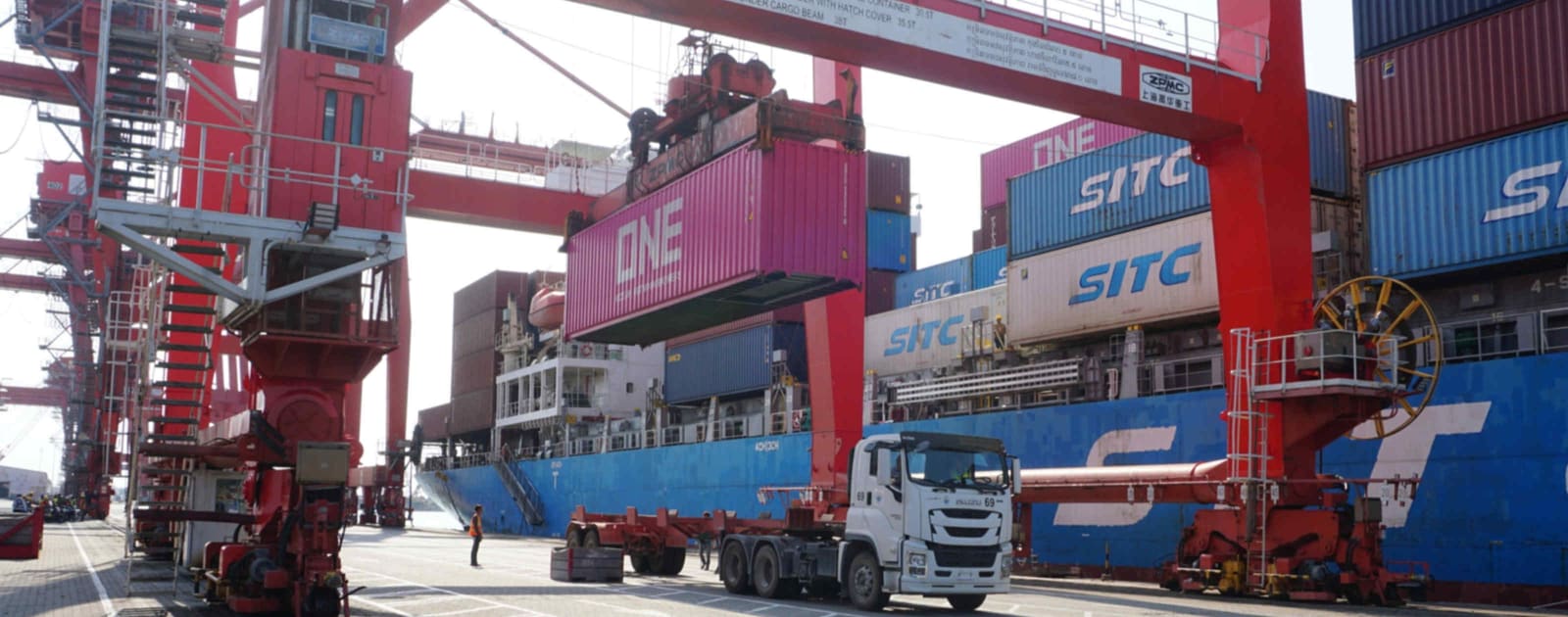
- ·Sihanoukville Port in Cambodia has absorbed a sharp increase in cargo volume since the country closed its land border with Thailand, becoming a critical maritime route for Japanese manufacturers.
- ·Japanese companies using the port are calling for lower cargo fees, citing costs significantly higher than previous overland transport options and warning of unsustainable long-term expenses.
- ·The border closure has strained Cambodia's economy and bilateral trade with Thailand, with no announced timeline for reopening as military forces remain positioned along the frontier.
A Maritime Lifeline Emerges
Cambodia's Sihanoukville Port has transformed into an essential supply corridor for Japanese multinationals operating in Southeast Asia, stepping in as overland routes through Thailand remain closed. The deep-water facility has absorbed a sharp increase in cargo volume since Cambodia shut its land border with Thailand, offering manufacturers an alternative path to move goods across the region.
The closure has forced companies to reroute shipments that previously traveled by truck through Thai territory. For Japanese firms with operations spanning multiple Southeast Asian countries, the disruption has meant reconfiguring logistics networks built over decades around road transport.
The Cost of Adaptation
The maritime alternative comes with a significant price tag. Japanese companies using Sihanoukville Port have begun voicing concerns over cargo fees, which they describe as prohibitively high compared to previous overland costs. The fee structure at the port has become a pressure point as firms weigh the expense of maintaining supply chains against the reality of closed borders.
Industry executives point to the lack of competition in maritime routes as one factor driving costs. With overland options cut off, Sihanoukville has effectively become a chokepoint for trade flows that once had multiple pathways. The port's operators face little pressure to lower rates when demand continues to climb.
Several Japanese manufacturers have formally requested fee reductions, arguing that sustained high costs threaten the viability of regional operations. The companies have not disclosed specific fee figures but characterize current rates as unsustainable for long-term planning.
Regional Trade Under Strain
The border closure has reverberated beyond logistics costs. Cambodia's economy has felt the impact of severed trade ties with Thailand, its neighbor and a major economic partner. Bilateral commerce that once flowed freely across land checkpoints now faces bottlenecks and uncertainty.
The shift to maritime shipping has also introduced delays. Cargo that once reached destinations in days now takes longer to clear customs, load onto vessels, and navigate sea routes. For manufacturers operating on just-in-time inventory models, these delays compound the financial burden of higher fees.
Thailand and Cambodia have not announced a timeline for reopening the border. Military positioning along the frontier suggests the standoff may persist, leaving companies dependent on seaborne alternatives for the foreseeable future.
Sihanoukville's Strategic Position
The port's newfound role underscores the fragility of regional supply chains when geopolitical tensions flare. Sihanoukville, Cambodia's only deep-water port, was not designed to handle the volume it now processes. The facility has seen infrastructure strain as throughput climbs, though port authorities have not released updated cargo statistics.
Japan has previously expressed interest in expanding Sihanoukville's capacity, viewing the port as a strategic asset in Southeast Asia's logistics network. Those discussions have taken on new urgency as the border situation drags on and cargo volumes show no sign of declining.
For Japanese firms, the current arrangement represents a costly but necessary adaptation. The companies continue to operate in Cambodia and neighboring markets, but profitability hinges on either securing fee relief or seeing the border reopen. Neither outcome appears imminent, leaving businesses to navigate an expensive and uncertain middle ground.
RELATED STORIES

Aeon Sells Thai Supermarket Unit to Central Group in Southeast Asia Pivot
Cheng Wei-Lun · 3 min
Asian Equities Climb as Tech Rebound Steadies After Month of Volatility
Cheng Wei-Lun · 3 min

Thailand Faces Two Decades in Middle-Income Trap Without Workforce Upgrade
Priyanka V. Rao · 3 min
Thailand Faces Twin Labour Pressures as Manufacturing Slows
Siti Nuraini · 4 min
Spot something wrong? Email editor@briefasia.com. We log every correction publicly.