Technology · Products
Xiaomi Launches Range-Extended SUVs as EV Deliveries Slow in China
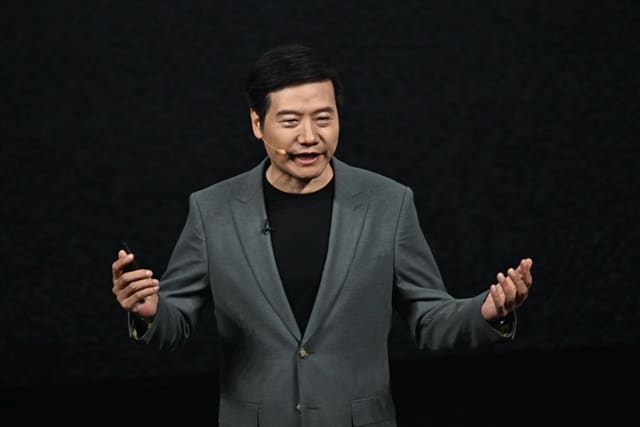
The tech giant introduces two large intelligent SUVs - SkyNomad N90 and N70 - marking its entry into hybrid territory amid mounting pressure from Huawei and ByteDance
KEY TAKEAWAYS
- ·Xiaomi introduced two range-extended electric SUVs, the SkyNomad N90 and N70, expanding beyond battery-only models as it needs 370,000 additional deliveries to meet its 2026 target.
- ·The company faces renewed losses and intensifying competition from technology rivals Huawei and ByteDance, both deepening their presence in China's intelligent vehicle sector.
- ·Range-extended vehicles offer a hybrid solution appealing to Chinese consumers concerned about charging infrastructure gaps, a segment Li Auto has successfully captured with premium family SUVs.
A Strategic Pivot Under Pressure
Xiaomi has unveiled its first range-extended electric vehicles, the SkyNomad N90 and N70, signaling a strategic expansion beyond its initial battery-only lineup. The move comes as the Beijing-based technology conglomerate faces headwinds in China's increasingly crowded intelligent vehicle sector, where delivery growth has decelerated and profitability remains elusive.
The two large intelligent SUVs represent Xiaomi's bet on hybrid powertrain technology, a segment that has gained traction among Chinese consumers wary of pure electric vehicles' range limitations and charging infrastructure gaps. By offering range-extended models, Xiaomi addresses a market segment that competitors including Li Auto have successfully exploited, capturing buyers who want electric driving with the security of a gasoline backup.
Xiaomi announced the new models as the company confronts a challenging operational landscape. With 370,000 additional deliveries required to meet its 2026 target, the automaker is under mounting pressure to accelerate sales momentum. The company has returned to losses after a brief profitable period, underscoring the capital-intensive nature of automotive manufacturing and the difficulty technology firms face in translating hardware expertise into vehicle profitability.
Competition Intensifies Across Tech Giants
The launch arrives amid escalating rivalry from other technology conglomerates entering China's smart vehicle arena. Huawei has deepened its automotive ambitions through partnerships with automakers including Seres and Chery, supplying advanced driver-assistance systems, infotainment platforms, and electric powertrains under its Intelligent Automotive Solution business unit. ByteDance, the parent company of TikTok, has likewise been exploring automotive ventures, leveraging its software prowess and massive user data to develop intelligent cockpit systems and navigation services.
This convergence of technology giants into automotive manufacturing reflects broader industry transformation in China, where the line between consumer electronics and vehicles continues to blur. The competition centers not merely on electric powertrains but on integrated software ecosystems, autonomous driving capabilities, and the seamless connection between smartphones, homes, and cars - a battleground where companies like Xiaomi believe their existing device ecosystems provide competitive advantage.
Market Dynamics and the Range-Extended Calculus
Range-extended electric vehicles occupy a pragmatic middle ground in China's automotive transition. Unlike plug-in hybrids, which rely heavily on internal combustion engines, range-extenders use small gasoline generators solely to charge batteries, allowing the electric motor to remain the primary propulsion source. This architecture appeals to consumers in regions where charging infrastructure remains patchy, particularly beyond China's tier-one cities.
The SkyNomad N90 and N70 enter a market segment experiencing robust growth. Li Auto, which pioneered the range-extended format among premium Chinese brands, has demonstrated strong demand for large, family-oriented SUVs equipped with hybrid powertrains. Xiaomi's entry suggests confidence that its brand recognition, established through smartphones and consumer electronics, can translate into vehicle sales - a hypothesis the company has been testing since launching its first pure electric sedan.
Yet the path forward remains steep. Xiaomi's vehicle division continues to burn cash as it scales production, builds service networks, and invests in autonomous driving technology. The 370,000-unit gap to its 2026 target represents a formidable sales challenge in a market where price competition has intensified and consumer subsidies have tapered. Automakers across China have engaged in repeated price wars, compressing margins and making profitability harder to achieve even at higher volumes.
What Comes Next
Xiaomi's expansion into range-extended vehicles tests whether product diversification can revive delivery momentum and ease the path to sustainable profitability. The company's ability to leverage its sprawling retail footprint, digital services ecosystem, and brand loyalty among younger Chinese consumers will determine whether the SkyNomad lineup can capture meaningful market share.
The broader question facing Xiaomi and its technology rivals is whether automotive manufacturing can ever deliver the margins and capital efficiency these companies enjoyed in consumer electronics. As competition from both legacy automakers and fellow tech entrants intensifies, the window for establishing defensible positions in China's smart vehicle market is narrowing. Xiaomi's hybrid gambit reflects an urgent need to broaden its appeal and accelerate sales - before the cost of staying in the race becomes unsustainable.
RELATED STORIES
AliExpress Shifts Focus to Brand Building as AI Hardware Sales Surge Overseas
Cheng Wei-Lun · 2 min
China's Auto Chip Race Shifts to Volume as Horizon Robotics Crosses 15 Million Units
Jun-ho Seo · 3 min
China Targets 84% Share of AR-HUD Production by 2031
Cheng Wei-Lun · 3 min

Li Auto Expands Battery Roster with CALB as Third Supplier
Siti Nuraini · 2 min
Spot something wrong? Email editor@briefasia.com. We log every correction publicly.