Perspectives · Analysis
Why Energy Markets Always Get the Next Crisis Wrong
Forecasters confuse spot prices with futures, gross disruption with net deficit, and temporary cushions with lasting supply - leaving markets blind to the real risk.

KEY TAKEAWAYS
- ·A business publication retracted an April oil forecast after July spot prices fell, but compared incompatible instruments: year-end futures versus a single spot quotation.
- ·Global production fell 13.6 million barrels daily by May, yet inventories, emergency reserves, and demand destruction absorbed much of the shortfall, masking the disruption's scale.
- ·Chinese crude imports dropped to 7.12 million barrels per day in June, the lowest since 2016, freeing cargoes for other buyers but creating no new supply.
- ·Refining margins exceeded sixty dollars per barrel during the crisis, meaning moderate Brent prices coexisted with high diesel and gasoline costs across Asia.
The Apology That Missed the Point
A prominent business publication ridiculed market participants in late April for expecting Brent crude to settle near $88 per barrel by December. When spot prices fell below $71 in early July, the editors issued a correction. Yet that mea culpa introduced a fresh analytical error: comparing a futures contract for year-end delivery against a single spot quotation months earlier, as if the two instruments measure the same thing. They do not.
Spot Brent reflects barrels available for immediate loading. A December contract embeds expectations about inventories, storage economics, financing costs, and geopolitical tail risk across an entire timeline. The meaningful test is not whether spot dipped below $88 on one summer day, but where that December contract ultimately settled and how it moved between April and the contract's expiry. When tanker attacks resumed and threats re-emerged at the Strait of Hormuz and Bab el-Mandeb, Brent climbed back toward triple digits. The retraction amounted to calling the final score at halftime.
Three Numbers, Endlessly Confused
Energy forecasting in conflict zones collapses because analysts treat three distinct quantities as interchangeable: the volume of supply physically disrupted, the net shortfall facing the market, and the posted price.
Consider the recent crisis. Daily traffic through Hormuz and Bab el-Mandeb averaged only 2.7 million barrels during the spring months, down from a combined normal flow exceeding 20 million barrels. Global output fell 10.1 million barrels per day in March; by May, it stood 13.6 million below pre-conflict levels. The International Energy Agency labeled this the largest physical disruption on record, and the numbers justify that claim.
Yet a 13.6-million-barrel production loss does not translate into an equal market deficit. The balance equation includes inventory drawdowns, strategic reserve releases, demand destruction, and trade rerouting. Second-quarter global consumption dropped nearly 5 million barrels daily year-on-year. IEA member states authorized 400 million barrels from emergency stocks. Observed commercial inventories declined at an average rate of 3.8 million barrels per day after hostilities began. Atlantic Basin exporters redirected 3.5 million barrels daily toward Asia.
These adjustments did not eliminate the shortage. They prevented its full magnitude from registering in the spot market. The difference is critical: resilience is not the same as abundance.
The China Illusion
Some observers credited Beijing with "saving the world" when Chinese import demand collapsed. That narrative confuses demand destruction with supply creation. Chinese crude imports fell from a five-year average of 11.5 million barrels daily to approximately 8 million during the crisis, then dropped further to 7.12 million in June, the lowest figure since 2016. Combined with Japan, the region cut imports by nearly 6 million barrels per day as refinery utilization and industrial activity slowed.
Those absent Chinese bids freed cargoes for other buyers, but no additional barrels were produced. The oil simply moved to a different destination. This is where linear forecasting breaks down: every price increase changes the demand it is supposed to measure. Consumers drive less, airlines cancel routes, industries switch fuels, governments suspend taxes. Oil behaves as a feedback system, not a static input-output model.
Opacity and the Limits of Data
Forecasting is further hampered by structural opacity. No external analyst can measure China's strategic petroleum reserves with precision, nor predict when Beijing will begin restocking. Spare production capacity is counted even when the barrels sit on the wrong side of a blocked strait. Saudi Arabia and the United Arab Emirates possessed roughly 2.6 million barrels per day of bypass pipeline capacity before the crisis, a fraction of normal Hormuz throughput. Announced capacity and usable capacity are not synonyms.
Geopolitics remains the least tractable variable. A ceasefire can strip $20 of risk premium overnight; a single tanker attack can restore it by morning. Brent offers false comfort because motorists do not buy crude; they buy refined products. Their cost includes refining margins, freight, war-risk insurance, currency swings, taxes, and inventory timing. During the recent disruption, crude prices softened while diesel and gasoline remained scarce. Refining margins exceeded $60 per barrel, and Asian refined-product imports stayed below pre-conflict levels. Moderate Brent coexisted with punishing pump prices across Southeast Asia. Watching crude alone is measuring the input while ignoring the damaged machinery that converts it into usable fuel.
Scenario Thinking Over Theatrical Precision
The honest approach is scenario analysis, not point forecasts dressed up as certainty. A durable reopening of Hormuz could push Brent back toward $70 to $80. Intermittent disruption combined with Chinese restocking might support $90 to $110. Simultaneous restrictions at both Hormuz and Bab el-Mandeb could make $120 plausible. These are conditional ranges that shift as transit volumes, inventory releases, Chinese import levels, consumer behavior, and conflict duration evolve.
The deeper mistake in the original forecast debate was believing that a single price snapshot could settle the argument. The shock was genuine: more than 1.3 billion barrels of cumulative Middle Eastern supply were lost. Inventories and emergency reserves absorbed much of the impact, but the world did not escape scarcity. It borrowed barrels from the past, suppressed present consumption, and depleted its buffer against future shocks.
What Matters When the Next Crisis Hits
Forecasting fails when analysts mistake temporary resilience for lasting abundance and forget that in wartime, the crucial metric is not today's quoted price but the size of the cushion remaining when the next disruption arrives. Asia's energy security depends less on current Brent quotations than on reserve levels, refining flexibility, and the ability to absorb sudden supply interruptions without crippling economic activity.
The region's refiners and policymakers should focus on three levers: expanding strategic reserves beyond the minimums required by IEA membership, investing in refining capacity that can process heavier, sourer crudes when light sweet barrels become scarce, and building redundancy into import routes to reduce dependence on any single chokepoint. Japan and South Korea have made progress on the first; Southeast Asia lags on all three.
Energy markets will continue to get the next crisis wrong as long as forecasters confuse snapshots with trends, gross disruption with net impact, and borrowed time with genuine supply. The lesson is not that predictions are impossible, but that they require humility, scenario thinking, and an understanding that price is only one signal in a complex, opaque, and politically volatile system. The next time Brent swings violently, the question to ask is not whether the forecast was right, but whether the region has enough cushion left to survive the swing.
RELATED STORIES
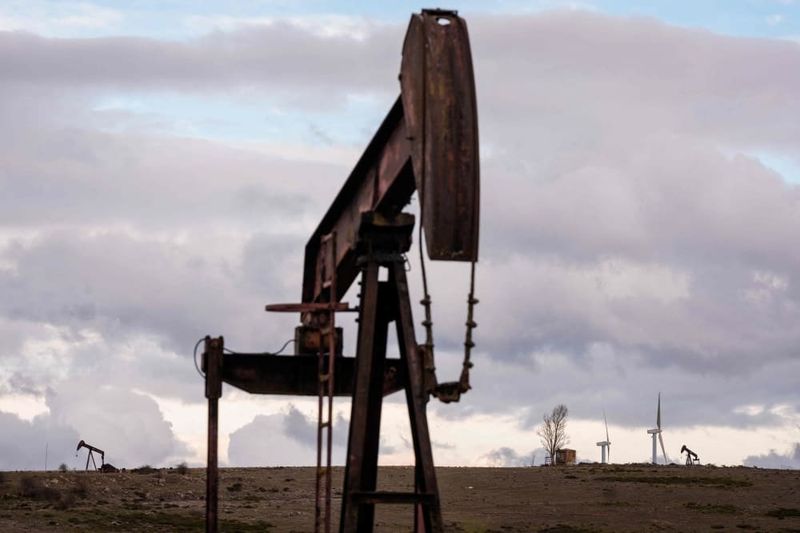
Oil Surges Past $86 on New Iran Missile Launch
Cheng Wei-Lun · 3 min
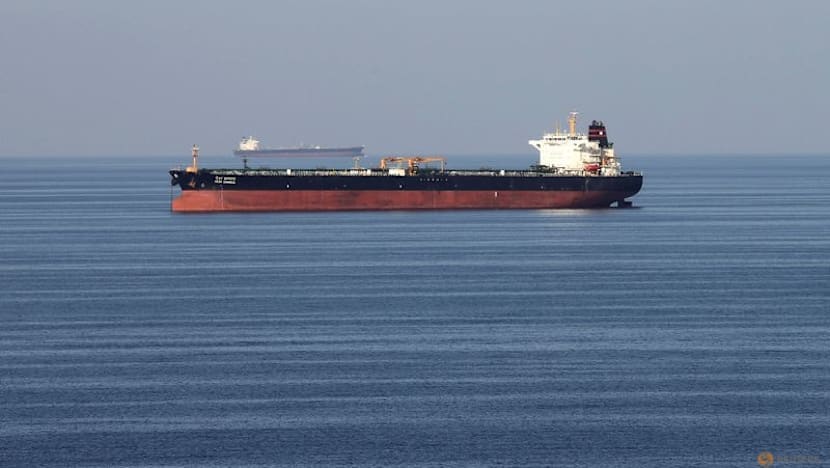
Brent Crude Climbs Above $83 as Iran Eyes Strait of Hormuz Toll Plan
Priyanka V. Rao · 3 min
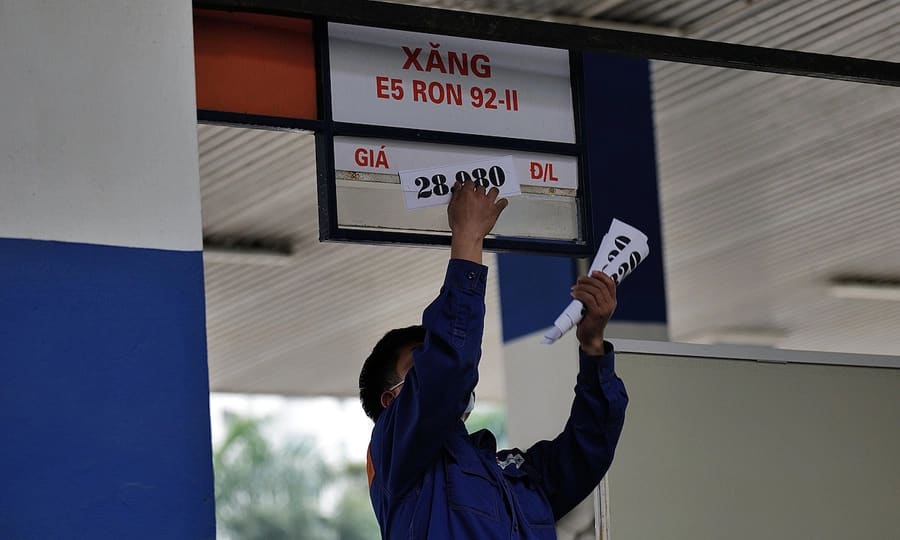
Vietnam Fuel Prices Surge to Two-Month Peak Amid Regional Supply Strain
Tran Quoc Bao · 3 min

Oil Retreats Five Percent as US-Iran Pause Raises Hope for Strait of Hormuz
Priyanka V. Rao · 3 min
Spot something wrong? Email editor@briefasia.com. We log every correction publicly.