Asia · Trade
Washington Adds 43 Chinese Companies to Forced Labor Blacklist
Largest single expansion targets electronics, battery materials, and food suppliers with Xinjiang ties
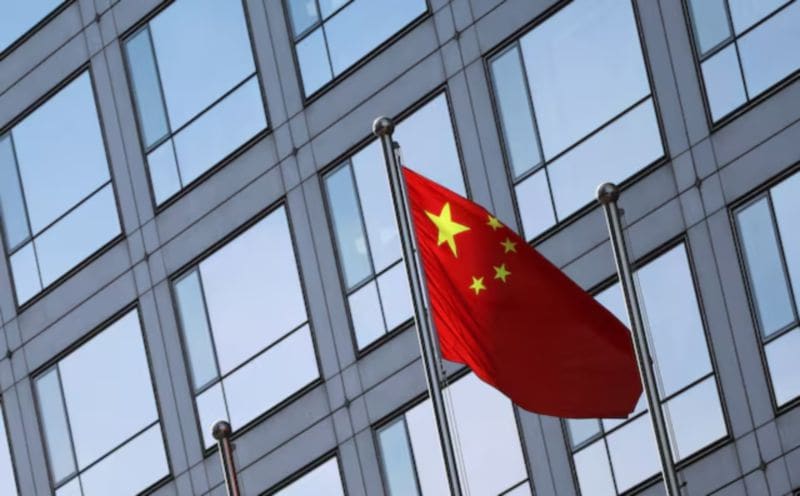
KEY TAKEAWAYS
- ·The US Department of Homeland Security added 43 Chinese companies to its forced labor blacklist, expanding the list to 187 entities and marking a 30 percent increase in a single action.
- ·Targeted firms include lithium battery material suppliers, aluminium producers, electronics component makers, and food exporters sourcing from Xinjiang or linked to government labor programs.
- ·Beijing condemned the move as unfounded unilateral sanctions and pledged to protect its companies, calling allegations of forced labor a lie one day after constructive trade talks.
Sweeping Expansion Targets Supply Chains
The US Department of Homeland Security expanded its forced labor blacklist by 43 Chinese entities, bringing the total to 187 companies barred from exporting to American markets. The additions represent the largest single expansion since the Uyghur Forced Labour Prevention Act took effect in 2021, increasing the list by roughly 30 percent.
Companies named span industrial sectors critical to modern manufacturing: lithium battery materials, aluminium electrolytic capacitors, transformer equipment, high-purity polysilicon for solar panels, and even snack foods. The designation creates a legal presumption that goods produced wholly or in part by these entities were made with forced labor and cannot enter the United States unless importers provide clear evidence to the contrary.
Four entities were listed for directly recruiting, transferring, or receiving Uyghur workers in coordination with Xinjiang authorities. The remaining 41 were designated for sourcing raw materials from the region or from suppliers linked to government labor transfer programs.
Battery and Energy Materials Under Scrutiny
SDIC Xinjiang Lithium Industry and its parent company, SDIC Xinjiang Luobupo Potash, were blacklisted for extracting lithium and potassium from brine at Lop Nur Salt Lake in Xinjiang. The companies produce lithium carbonate, a key input for electric vehicle batteries and grid-storage systems.
Xinjiang Tianhongji Technology, which manufactures materials for lithium-ion and sodium-ion batteries, was added for sourcing petroleum coke, anthracite, and asphalt from Xinjiang production facilities. The move adds pressure on global battery supply chains already navigating geopolitical risks and raw-material concentration.
TBEA Co, a major producer of transformers, transmission equipment, and high-purity polysilicon, was also designated. The company sources aluminium and aluminium-alloy products from Xinjiang and operates through subsidiary Xinjiang Tianchi Energy, which procures coal from the region. TBEA's polysilicon output feeds solar panel manufacturers worldwide, making the listing particularly significant for renewable energy supply chains.
Electronics and Consumer Goods Exposed
Hunan Aihua Group, which manufactures aluminium electrolytic capacitors for consumer electronics, industrial equipment, vehicles, and renewable energy systems, was listed for sourcing chemical foil from a Xinjiang production base. The company sells capacitors under the AiSHi brand and maintains a North American sales office in Glen Allen, Virginia. Its products are distributed in the United States through DigiKey, a major electronics component supplier.
Chacha Food, a snack producer exporting to nearly 50 countries, was designated for sourcing agricultural products - including nuts and roasted seeds - from Xinjiang. The company previously identified the United States as its largest overseas market and in 2019 launched products in Walmart and Costco stores, primarily in New York and Los Angeles. Whether those retail arrangements remain active could not be immediately confirmed.
Metals and Mining Sector Targeted
Tianshan Aluminium Group and seven affiliates were added to the list. Tianshan operates 1.4 million tonnes of annual electrolytic aluminium capacity and a 2.5 million-tonne alumina production line, making it a significant player in global aluminium supply.
Shandong Gold Mining, which holds assets or projects in China, Argentina, Ghana, and Namibia, was blacklisted along with units including Shandong Gold Smelting. The group sources gold from Xinjiang, and one subsidiary owns and operates the region's largest single gold mine.
Diplomatic Friction and Beijing's Response
China's Commerce Ministry condemned the action as an unfounded unilateral sanction, noting it came one day after trade officials from both countries held what Beijing described as a constructive video call. The ministry said China would take necessary measures to protect its companies but offered no specifics.
China's embassy in Washington rejected the allegations, stating that Chinese law prohibits forced labor and that workers in Xinjiang freely choose their occupations. Beijing has consistently dismissed accusations of forced labor and other abuses against Uyghur and other Muslim minority groups in the region.
Representative John Moolenaar, chairman of the House Select Committee on China, framed the expansion as strengthening America's economy against products made with slave labor. The designations mark the first additions to the list under the Trump administration, signaling continuity in US policy targeting supply chain links to Xinjiang labor programs.
Compliance Burden Shifts to Importers
The blacklist creates operational and legal challenges for US importers. Companies must now demonstrate through documentation and audits that goods from the 43 newly listed entities - or any products containing components sourced from them - were not made with forced labor. Failure to meet that burden results in shipments being blocked at US ports.
The expanded list adds complexity for industries already managing supply chain transparency requirements, particularly in sectors such as electric vehicles, renewable energy, and consumer electronics where Xinjiang-sourced materials are common. Compliance costs and sourcing disruptions are expected to ripple through multinational supply chains in the coming quarters.
RELATED STORIES
China Imposes Anti-Dumping Measures on Japanese Semiconductor Chemical Imports
Jun-ho Seo · 3 min
India's Chinese Import Bill Climbs Despite Self-Reliance Push
Priyanka V. Rao · 3 min
China's Auto Chip Race Shifts to Volume as Horizon Robotics Crosses 15 Million Units
Jun-ho Seo · 3 min
GAC and FAW Explore Merger of Toyota Joint Ventures in China
Cheng Wei-Lun · 3 min
Spot something wrong? Email editor@briefasia.com. We log every correction publicly.