Finance · Fintech
Visa and UMSI Launch Smartphone Payment System for Philippine Small Businesses
U Accept turns NFC-enabled phones into card terminals, eliminating rental fees and onboarding costs for merchants across the archipelago.
KEY TAKEAWAYS
- ·Visa and UMSI have launched U Accept, a smartphone-based card acceptance solution with no onboarding fee and no terminal rental costs for Philippine merchants.
- ·Funds are credited to merchant accounts within approximately one hour, compared to the typical one to two day settlement period for traditional terminals.
- ·MSMEs account for over 99 percent of Philippine business establishments, and 83 percent of small business owners report higher turnover after accepting card payments.
Turning Smartphones Into Payment Terminals
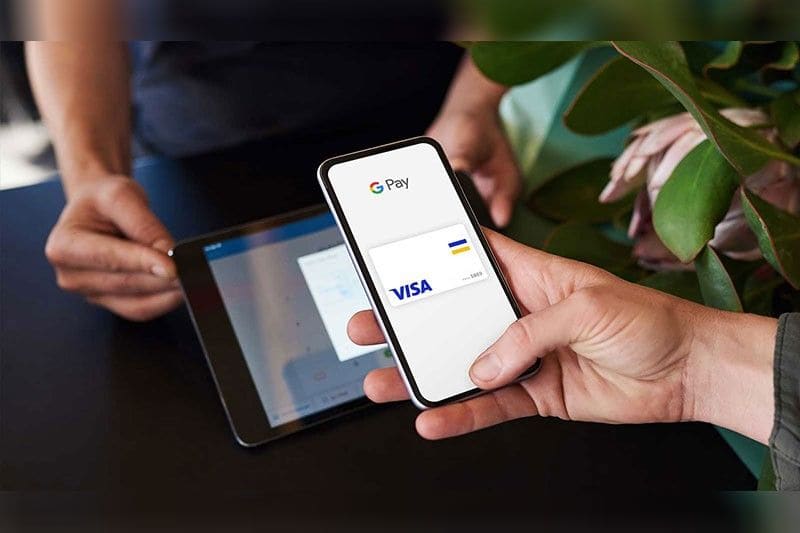
Small merchants in the Philippines can now accept contactless card payments through their smartphones without purchasing or leasing traditional point-of-sale hardware. Visa and USSC Money Services Inc. (UMSI) have launched U Accept, a service integrated into UMSI's uGrow app and powered by Visa Accept technology.
Eligible merchants need only an NFC-enabled smartphone and basic business documentation to begin processing card transactions. According to UMSI, there is no onboarding fee, though standard merchant discount rates remain in place. The move eliminates the rental costs that have historically kept many micro and small enterprises from accepting card payments.
J. Richard Soriano, chief marketing officer at UMSI, emphasized the barrier removal. The company positions U Accept as an entry-level option, with transaction limits designed to encourage merchants to migrate to more robust systems as their operations scale.
Real-Time Processing, Near-Instant Settlement
Payments are processed immediately, and funds are credited to merchant accounts within approximately one hour. Soriano noted that faster settlement can alleviate working capital pressures, allowing businesses to restock inventory or cover expenses without waiting the typical one to two days for funds to clear.
The service currently accepts Visa cards, while the uGrow platform also supports QR Ph, the Philippines' national QR code standard. Visa indicated that the payment environment could be extended to Mastercard and other card brands in the future.
MSMEs and the Digitization Push
Micro, small, and medium enterprises represent more than 99 percent of business establishments in the Philippines and generate 67 percent of total employment, according to data cited by Visa. The company's research found that 83 percent of Filipino small business owners reported higher turnover after accepting card payments, with 41 percent noting that customers spent more when using cards.
Jeffrey Navarro, country manager for Visa Philippines, described the partnership as a step toward broader digital payment acceptance. He pointed to the potential for both domestic consumers and inbound tourists to transact with businesses that previously operated on a cash-only basis.
Bangko Sentral ng Pilipinas Deputy Governor Mamerto Tangonan said the launch aligns with the central bank's agenda to expand digital payments and financial inclusion. He characterized the initiative as a move toward democratizing payment acceptance for MSMEs across the archipelago.
The Broader Context
The Philippines has been accelerating its shift toward cashless transactions, driven by regulatory support and rising smartphone penetration. However, card acceptance has lagged in smaller establishments due to hardware costs, setup complexity, and the economics of low average transaction values.
Tap-to-phone solutions have gained traction in markets including Brazil, India, and parts of Southeast Asia, where similar barriers existed. By removing upfront hardware investment, these platforms lower the threshold for merchants to participate in the digital payments ecosystem.
The introduction of U Accept adds another layer to the Philippines' payments infrastructure, which already includes QR code networks, e-wallets, and traditional POS terminals. Whether the service gains traction will depend on merchant adoption rates, the competitiveness of discount rates, and the reliability of settlement times in practice.
For now, the partnership signals continued investment by global payment networks in the Philippine market, where the combination of a large unbanked population, a fragmented retail sector, and a growing appetite for digital transactions presents both opportunity and complexity.
RELATED STORIES

Maya Holds InstaPay Fee at P10 as Rivals Go Free
Priyanka V. Rao · 3 min
Philippines Narrows Tax Penalty Scope for Retirement Account Withdrawals
Priyanka V. Rao · 3 min

Alliance Global Reports 3% Profit Growth to ₱16 Billion in First Half
Mariel D. Santos · 3 min
Philippine Stocks Edge Higher as Investors Hunt for Bargains After Pullback
Mariel D. Santos · 2 min
Spot something wrong? Email editor@briefasia.com. We log every correction publicly.