Lifestyle · Luxury
Vietnam's Wealthy Shift Focus From Making Money to Managing It
HSBC reports affluent Vietnamese are increasingly prioritizing wealth preservation, succession planning, and cross-border financial integration as the country's wealth management market matures.
KEY TAKEAWAYS
- ·Vietnam's affluent are shifting from wealth creation to preservation and succession planning, with mutual fund investments at just 2-3% of GDP versus 25-30% in mature markets.
- ·HSBC Vietnam reports clients increasingly manage assets across multiple countries, requiring integrated cross-border banking and investment services beyond traditional products.
- ·Vietnam's first-generation entrepreneurial wealth base distinguishes it from markets with inherited fortunes, creating opportunities as the wealth management sector scales over the next five years.
A New Stage of Wealth
Vietnam's affluent class is entering a new phase. After years focused on building fortunes, wealthy Vietnamese are now turning attention to managing, preserving, and transferring that wealth across generations, according to HSBC Vietnam.
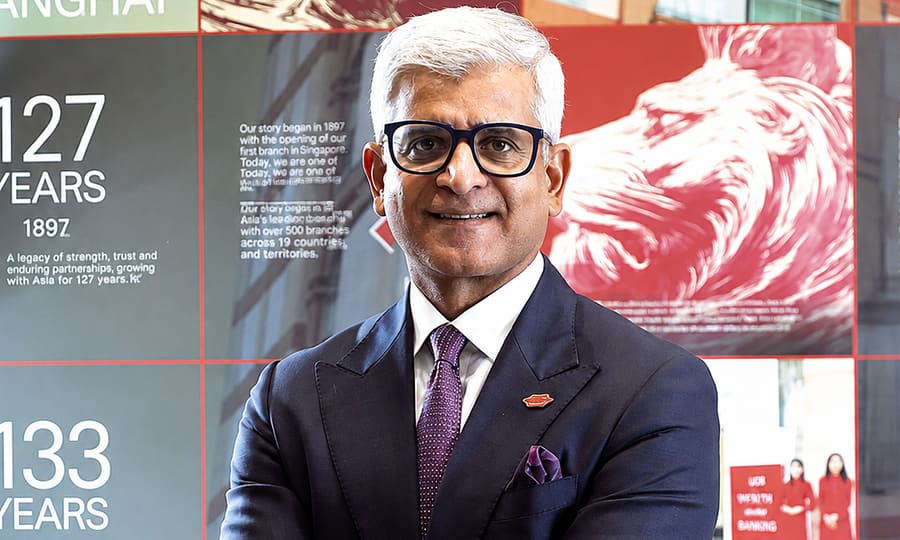
Ranganath Ananth, who leads international wealth and premier banking at HSBC Vietnam, points to a shift in priorities among the bank's clients. While growing assets remains important, conversations increasingly center on succession planning, cross-border investment, and preparing the next generation to handle family wealth.
The change reflects broader maturity in Vietnam's economic landscape. The country has sustained GDP growth around 6.5% over two decades, and much of that prosperity stems from first-generation entrepreneurs rather than inherited fortunes. That entrepreneurial foundation creates different dynamics than markets where wealth passes down through established families.
Still Early Days
Vietnam's wealth management industry remains nascent by regional standards. Mutual fund investments account for just 2-3% of GDP, compared with 25-30% in developed markets, according to HSBC. As the sector develops, affluent clients are expected to seek long-term banking relationships rather than transactional product purchases.
The evolution tracks patterns seen elsewhere in Asia. Wealthy families in Singapore, Hong Kong, and Tokyo moved through similar transitions, shifting from pure wealth creation to sophisticated management as their assets grew and diversified across borders.
For Vietnamese clients, that complexity is accelerating. Assets, business interests, and family members increasingly span multiple countries. Children study in Australia or the United States. Business owners invest in Singapore or expand operations to neighboring ASEAN markets. Real estate portfolios stretch across time zones.
Beyond Banking
Managing that geographic spread requires more than traditional banking services, HSBC argues. The bank is positioning its Premier offering around four pillars: wealth, health, travel, and international connectivity.
The health component reflects a practical reality for entrepreneurs and executives. Maintaining physical well-being directly impacts decision-making ability and long-term performance. Access to quality healthcare, whether in Hanoi, Singapore, or London, becomes part of the broader wealth management conversation.
Cross-border banking functionality matters more as lives become international. Setting up accounts before relocating, moving funds efficiently between markets, and accessing investment opportunities across jurisdictions all reduce friction for clients splitting time between countries.
HSBC is also targeting employers through workplace financial wellness programs. The bank's Employee Workplace Solutions initiative aims to integrate financial planning into corporate benefit packages, extending wealth management concepts beyond high-net-worth individuals to a broader base of employees.
Competing for Capital
Vietnam competes with other Southeast Asian markets for global capital and affluent clients. Thailand, Indonesia, and the Philippines all court wealthy individuals and family offices. Singapore and Hong Kong remain regional hubs for wealth management services.
HSBC frames its Vietnam commitment around the country's growth trajectory and entrepreneurial base. Unlike markets where wealth concentrates in established families, Vietnam's first-generation wealth builders remain closely tied to operating businesses and real economic activity.
That creates opportunities as the market scales. Vietnam's wealth landscape is growing larger and more sophisticated, with increasing connections to global markets. International banks see potential to serve not just today's affluent clients but the expanding base of wealth being created through continued economic growth.
The challenge for banks will be adapting to how clients actually live rather than forcing clients into standardized products. Wealthy Vietnamese expect integrated solutions that work across borders, support family planning, and adjust as circumstances change. Banks that can deliver that flexibility may capture outsized share as the market matures over the next five years.
RELATED STORIES

Vietnam's IPO Revival Stumbles as Investor Appetite Fades
Priyanka V. Rao · 2 min
Vietnam Faces $230 Billion Export Sprint to Salvage 2026 Growth Target
Tran Quoc Bao · 2 min

The cloth Thanh Lam sings in
Manh Khang · 6 min

Dung Quat Economic Zone Pulls $19.4 Billion in Foreign Investment
Tran Quoc Bao · 2 min
Spot something wrong? Email editor@briefasia.com. We log every correction publicly.