Asia · Trade
Vietnam Ships $100 Billion Under FTA Terms in Seven Months
Trade ministry data shows preferential certificates covered more than a quarter of the country's outbound goods through July
KEY TAKEAWAYS
- ·Vietnam issued over 1.2 million certificates of origin under free trade agreements through July, covering nearly $100 billion in exports and representing 28 percent of total outbound trade.
- ·The data underscores Vietnam's strategic positioning within regional and global supply chains, leveraging preferential access across electronics, textiles, and manufacturing sectors.
- ·Sustaining the export trajectory will depend on administrative capacity, compliance with evolving origin rules, and managing geopolitical risks in key markets.
Trade Pacts Drive Quarter of Vietnam's Exports
Vietnam's exporters shipped goods valued at nearly $100 billion under preferential trade arrangements in the first seven months of this year, a figure that accounts for more than a quarter of the nation's total outbound trade. The Ministry of Industry and Trade issued over 1.2 million certificates of origin tied to various free trade agreements during the period, enabling Vietnamese manufacturers to access reduced tariffs and streamlined customs procedures across major markets.
The 28 percent share underscores how deeply integrated Vietnam has become into regional and global supply chains. Certificates of origin serve as proof that goods meet the rules-of-origin criteria specified in each agreement, allowing exporters to claim lower duties when their products enter partner countries. The volume of documentation reflects not only the scale of trade but also the administrative capacity Vietnamese businesses have built to navigate complex preferential frameworks.
Strategic Positioning in Asia's Trade Architecture
Vietnam has pursued an aggressive trade liberalization strategy over the past decade, signing bilateral and multilateral pacts with economies that collectively represent a significant portion of global GDP. The country is a party to the Comprehensive and Progressive Agreement for Trans-Pacific Partnership, the Regional Comprehensive Economic Partnership, and bilateral deals with the European Union, the United Kingdom, and South Korea, among others. Each agreement offers distinct tariff schedules and product coverage, creating a mosaic of market access opportunities.
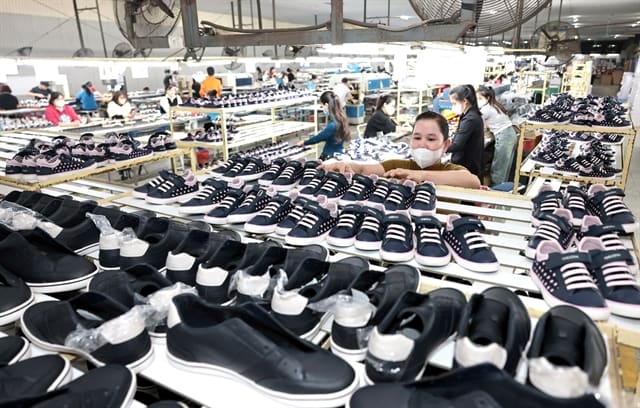
This network has transformed Vietnam into a manufacturing hub for multinational corporations seeking alternatives to China amid rising production costs and geopolitical tensions. Electronics, textiles, footwear, and furniture dominate the export basket, with companies ranging from Samsung and Intel to smaller suppliers of components and finished goods. The ability to qualify for preferential treatment under multiple agreements gives Vietnam a competitive edge over regional rivals that lack similar treaty coverage.
Documentation as a Competitive Tool
The issuance of 1.2 million certificates in seven months translates to an average of roughly 5,700 documents per working day, assuming a five-day work week. This operational tempo highlights the sophistication of Vietnam's trade administration and the readiness of exporters to comply with origin requirements. Many agreements mandate that a certain percentage of value addition occur within the exporting country, requiring firms to maintain detailed records of inputs, processing steps, and labor costs.
For businesses, obtaining a certificate of origin is not merely a procedural step but a strategic decision. Tariff savings can be substantial, especially in sectors where margins are thin and competition is fierce. A garment exporter shipping to the EU under the Vietnam-EU FTA, for example, can avoid duties that would otherwise run into double digits, directly improving profitability. The cumulative effect across hundreds of thousands of shipments translates into billions of dollars in cost savings and enhanced competitiveness.
Sector Dynamics and Market Diversification
While official data does not break down the $100 billion by destination or product category, Vietnam's overall export profile suggests that electronics and textiles likely account for the largest shares of FTA-covered shipments. The electronics sector alone has grown to dominate exports, with smartphones, displays, and semiconductors finding buyers in markets where Vietnam has secured preferential access. The textile and apparel industry, meanwhile, benefits from rules that allow cumulation, meaning that inputs from one FTA partner can count toward origin requirements when exporting to another.
The diversification of export destinations is another strategic dividend. Vietnam has reduced its reliance on any single market by cultivating ties across Asia, Europe, and North America. This geographic spread insulates the economy from demand shocks in individual regions and provides leverage in trade negotiations. The ministry's data, showing that FTA-covered exports represent 28 percent of the total, implies that the remaining 72 percent flows under most-favored-nation rates or other arrangements, suggesting room for further growth in preferential trade.
Administrative Capacity and Digital Infrastructure
The ability to process over a million certificates in a seven-month window reflects investments in digital trade infrastructure. Vietnam has moved toward electronic applications and automated verification systems, reducing the time and cost associated with obtaining documentation. Exporters can submit requests online, attach supporting materials, and receive digital certificates that customs authorities in partner countries recognize. This modernization has been critical in keeping pace with the surge in trade volumes.
Government agencies have also expanded training programs to help small and medium enterprises navigate FTA rules. Many smaller firms initially struggled with the complexity of origin criteria and documentation requirements, but targeted support has improved compliance rates. The ministry's figures suggest that a broad cross-section of exporters, not just large multinationals, is now tapping into preferential access.
Outlook and Challenges Ahead
The $100 billion milestone, achieved in just over half a year, positions Vietnam to exceed previous annual totals if current trends hold. However, sustaining this trajectory will require continued vigilance on several fronts. Rules of origin are subject to periodic review and renegotiation, and any tightening of criteria could complicate compliance. Additionally, as more countries join or deepen trade agreements, Vietnam must ensure that its exporters remain competitive not only on cost but also on quality and innovation.
Geopolitical factors also loom. Trade tensions between major economies can lead to sudden shifts in tariffs or non-tariff barriers, even within FTA frameworks. Vietnam's strategy of diversification offers some insulation, but the interconnectedness of global supply chains means that disruptions in one region can ripple outward. The ministry's data, while encouraging, is a snapshot of a dynamic and often unpredictable landscape.
The 1.2 million certificates issued through July represent more than administrative output. They are a metric of Vietnam's integration into the global economy, a testament to the strategic choices made over the past decade, and a foundation for continued export-led growth. The challenge now is to deepen that integration while managing the risks that come with it.
RELATED STORIES
Shein Retreats From Vietnam Warehouse Bet as China Manufacturing Proves Irreplaceable
Cheng Wei-Lun · 4 min
Shein Scales Back Vietnam Expansion, Reinforces China Manufacturing Base
Cheng Wei-Lun · 3 min

Ho Chi Minh City Eyes Productivity Push to Hit Double-Digit Growth Target
Priyanka V. Rao · 3 min
ASEAN's Crisis Response Model Under Pressure as Regional Tensions Mount
Siti Nuraini · 3 min
Spot something wrong? Email editor@briefasia.com. We log every correction publicly.