Asia · Politics
Vietnam Mobilizes $38 Billion Public Investment to Fuel Economic Expansion
Central and local governments deploy over a trillion dong in capital allocation as Hanoi accelerates infrastructure spending amid regional growth competition
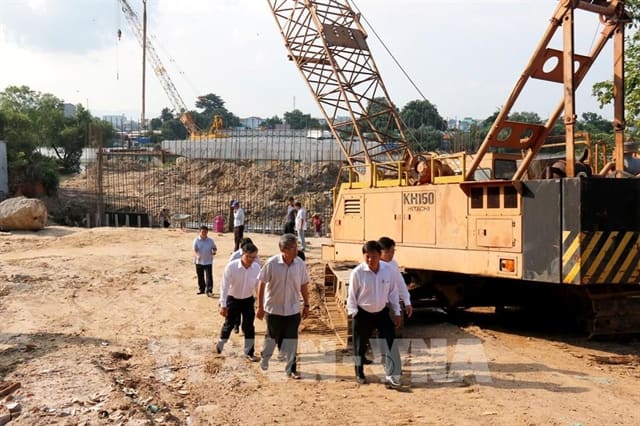
KEY TAKEAWAYS
- ·Vietnam has allocated VNĐ1.029 quadrillion, approximately $38.5 billion, in public investment for 2026, with local governments deploying nearly two-thirds of total capital.
- ·The spending reflects Hanoi's strategy to sustain growth through infrastructure amid export headwinds and regional competition from Indonesia and Thailand.
- ·Historical disbursement rates of 70 to 85 percent and structural execution challenges will determine whether allocated capital converts into tangible infrastructure output.
Capital Deployment Reaches Record Scale
Vietnam's government has committed VNĐ1.029 quadrillion in public investment capital this year, equivalent to approximately $38.5 billion at current exchange rates, according to the Ministry of Finance. The figure represents one of the largest peacetime infrastructure allocations in the country's recent history and signals Hanoi's intent to maintain momentum in an increasingly competitive Southeast Asian growth landscape.
The central budget accounts for VNĐ364 trillion of the total, with provincial and municipal governments responsible for VNĐ650 trillion. Additional local budget contributions pushed the aggregate to VNĐ1.029 quadrillion as of August 6, reflecting both top-down policy direction and bottom-up capacity among Vietnam's 63 provinces and cities.
Spending Dynamics and Regional Competition
Public investment remains a primary lever for Vietnam's growth model, particularly as export-led manufacturing faces headwinds from trade fragmentation and elevated interest rates in key markets. The scale of this year's allocation suggests policymakers are prioritizing infrastructure as a countercyclical tool, even as fiscal discipline remains a stated priority.
The split between central and local budgets is notable. Provincial governments now shoulder nearly two-thirds of total investment, a pattern that reflects both fiscal decentralization and the uneven capacity of local administrations to execute large projects. Wealthier industrial hubs such as Ho Chi Minh City, Hanoi, and Binh Duong typically absorb capital faster, while rural provinces often struggle with planning bottlenecks and land clearance delays.
Vietnam's infrastructure push unfolds against a backdrop of regional competition. Indonesia has committed more than $30 billion to its new capital city project in East Kalimantan, while Thailand is advancing high-speed rail links and industrial corridor upgrades. In this context, Vietnam's ability to deploy capital efficiently will determine whether it can sustain its position as a top destination for manufacturing relocation and foreign direct investment.
Execution Challenges and Disbursement Rates
Despite headline figures, Vietnam has historically faced execution gaps. In recent years, actual disbursement rates for public investment have hovered between 70 and 85 percent of allocated capital, with delays stemming from land acquisition disputes, procurement inefficiencies, and risk-averse local officials wary of anti-corruption scrutiny.
The Ministry of Finance has not yet released disbursement data for the first half of 2026, but early indicators suggest improvement. Regulatory reforms enacted in late 2025, including streamlined environmental impact assessment procedures and expanded authority for provincial planning committees, were designed to accelerate project approval timelines.
Still, the gap between allocation and actual spending remains a structural constraint. If Vietnam is to convert this $38 billion commitment into tangible infrastructure, it will need to address coordination failures between central ministries and provincial departments, as well as the persistent reluctance of mid-level officials to approve contracts in a climate of heightened accountability.
Implications for Growth and Fiscal Sustainability
Public investment at this scale carries both opportunity and risk. On one hand, infrastructure spending can crowd in private capital, improve logistics efficiency, and support the manufacturing sector's expansion into higher-value segments. On the other, sustained deficit spending without commensurate revenue growth risks eroding fiscal buffers, particularly if global economic conditions deteriorate or if debt servicing costs rise.
Vietnam's public debt-to-GDP ratio has stabilized in recent years, but the government's ability to maintain that trajectory will depend on execution discipline and the quality of projects selected. White-elephant infrastructure, a pitfall familiar to emerging markets across Asia, would undermine both fiscal sustainability and public confidence in state-led investment.
For now, the $38 billion figure stands as a statement of intent. Whether it translates into bridges, ports, and power grids or dissipates in planning delays and cost overruns will shape Vietnam's competitive position for the remainder of the decade.
RELATED STORIES
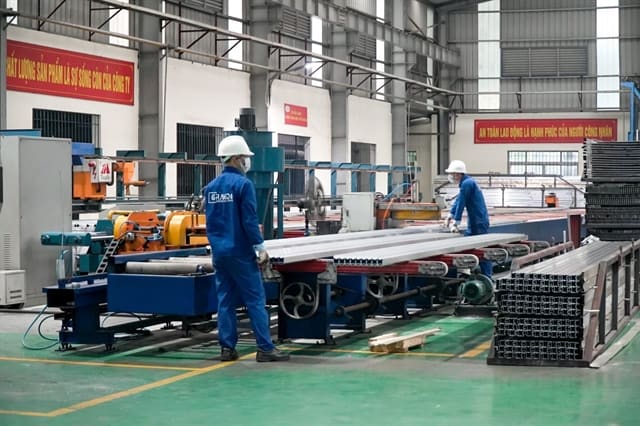
Hanoi Unveils Private Sector Support Package to Anchor Long-Term Growth
Tran Quoc Bao · 3 min
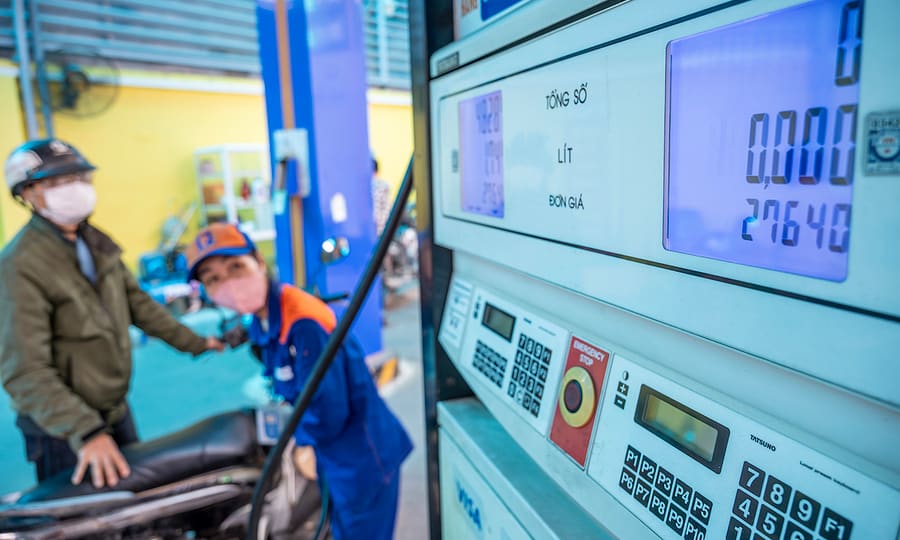
Vietnam Fuel Stations Raise Pump Prices as Mideast Tensions Push Crude Higher
Cheng Wei-Lun · 5 min
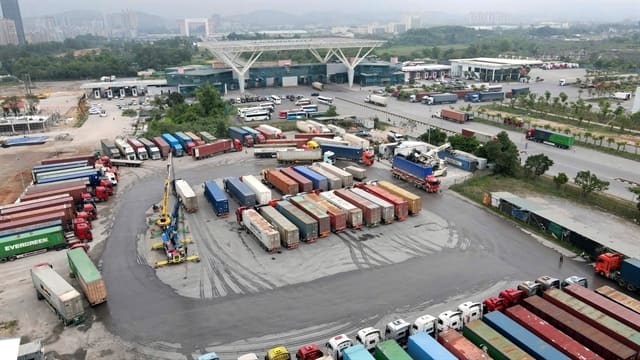
Vietnam's Banking Sector Adopts AI Safety Measures Amid Digital Expansion
Priyanka V. Rao · 3 min

Khánh Hòa Province Positions for Halal Market Entry
Siti Nuraini · 3 min
Spot something wrong? Email editor@briefasia.com. We log every correction publicly.