Asia · Trade
Vietnam Exporters Face Packaging Overhaul as EU Rules Take Hold
New European regulations on materials and recycling are forcing a fundamental shift in how Vietnamese manufacturers design product containers bound for the continent.
KEY TAKEAWAYS
- ·European Union packaging regulations now mandate specific recycled content, restrict certain plastics, and require separable material streams for Vietnamese exports.
- ·Vietnam's packaging industry, dominated by small converters competing on price, faces investment gaps in material science, testing infrastructure, and supply-chain traceability.
- ·Phased enforcement means voluntary standards become mandatory within months, creating a compliance timeline that risks sidelining slower-moving exporters.
The Compliance Threshold
Vietnamese manufacturers shipping to Europe now confront a quiet but fundamental barrier: the box, bottle, or wrapper their goods arrive in. The European Union's evolving packaging standards have moved from peripheral concern to gate-keeping factor, determining which products clear customs and which face rejection or costly retrofits at the border.
The regulatory shift centers on material composition, recyclability benchmarks, and design-for-disassembly principles that diverge sharply from traditional Vietnamese packaging practices. Companies accustomed to cost-optimized, single-use solutions now face specifications that prioritize end-of-life processing and circular material flows. For exporters targeting Europe, the container is no longer incidental; it is part of the product specification.
The pressure arrives at a delicate moment for Vietnam's export sector. Europe remains a top-three destination for Vietnamese goods, with shipments spanning textiles, electronics, furniture, and agricultural products. Any friction in packaging compliance translates directly into margin compression or market access risk. The question is no longer whether to adapt, but how quickly domestic suppliers can retool.
Material and Design Constraints
The EU framework imposes specific thresholds on recycled content, restricts certain plastics, and mandates that packaging be separable into material streams. Composite structures that combine plastic film, aluminum foil, and paper, once standard for cost and shelf-life reasons, now trigger non-compliance flags. Exporters must either source compliant alternatives or redesign packaging architectures entirely.
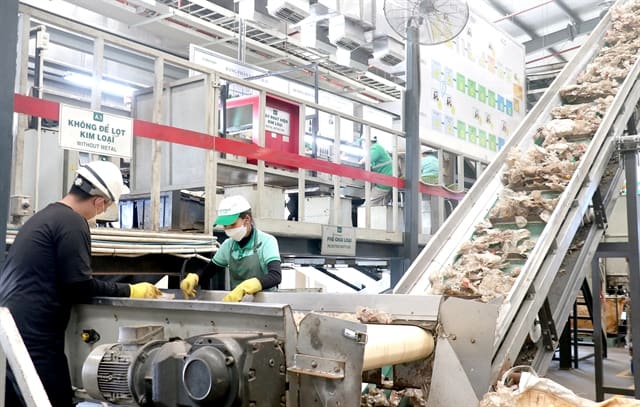
Vietnam's packaging industry, dominated by small and mid-sized converters, has historically competed on price and turnaround speed. The new requirements demand investment in material science, testing infrastructure, and supply-chain traceability that many firms lack. Larger players are beginning to import certified recycled resins and invest in mono-material designs, but the transition is uneven. Smaller suppliers risk being priced out or sidelined by clients who cannot afford the compliance gamble.
The regulatory timeline adds urgency. Phased enforcement means that what is voluntary today becomes mandatory within months, and penalties for non-compliance range from shipment holds to outright bans. Vietnamese exporters who delay face the prospect of losing shelf space to competitors in Thailand, Indonesia, or India who move faster.
Industry Response and Capability Gaps
A handful of Vietnamese packaging manufacturers have begun obtaining certifications and partnering with European material suppliers to secure compliant feedstock. These early movers are positioning themselves as preferred vendors for export-oriented brands. But the broader industry remains fragmented, with limited access to the testing labs, recycling infrastructure, and design expertise the regulations presuppose.
The capability gap extends beyond materials. Compliance requires documentation, batch traceability, and third-party audits that are standard in Europe but still emerging in Vietnam. Exporters must now verify not just their own processes but those of their packaging suppliers, adding layers of due diligence and cost. For companies operating on thin margins, the administrative burden alone can be prohibitive.
Government support has been modest. While trade promotion agencies have issued guidance, there is no coordinated program to subsidize testing, facilitate technology transfer, or aggregate demand for compliant materials. The result is a scattershot response, with well-capitalized firms adapting and smaller players hoping the issue resolves itself or that enforcement remains lax.
Strategic Calculus
The packaging mandate forces a broader reckoning. Vietnamese exporters must decide whether to absorb the compliance cost, pass it to buyers, or exit certain product lines altogether. For commoditized goods where price is the primary differentiator, even a modest packaging premium can erode competitiveness. For higher-value products, compliance becomes table stakes, and the investment is unavoidable.
There is also an opening. Companies that move decisively can differentiate on sustainability credentials, a factor that European retailers and consumers increasingly weigh. Early compliance can translate into longer-term contracts, premium shelf placement, and insulation from future regulatory tightening. The packaging challenge, in this light, is also a sorting mechanism, separating agile exporters from those anchored to legacy models.
The next twelve months will clarify which Vietnamese manufacturers treat packaging as a procurement detail and which recognize it as a strategic variable. The European market is not retreating from these standards; if anything, upcoming revisions will tighten them further. For Vietnam's export sector, the container is no longer neutral. It is signal, cost, and gatekeeper all at once.
RELATED STORIES
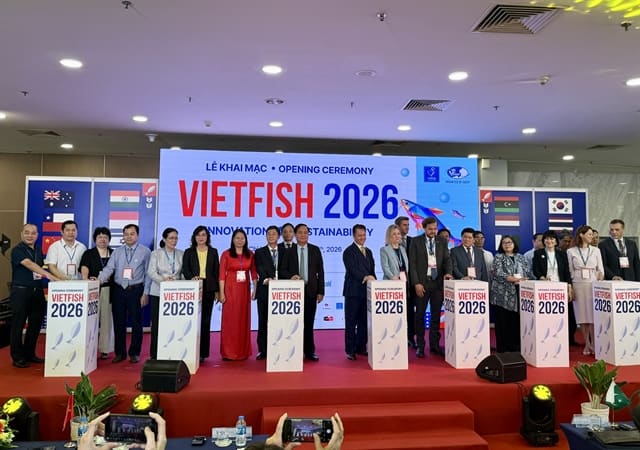
Vietnam Seafood Sector Eyes Premium Markets at Vietfish 2026
Tran Quoc Bao · 3 min

Hebei and Vietnam Target Deeper Agricultural Supply Chain Integration
Cheng Wei-Lun · 3 min
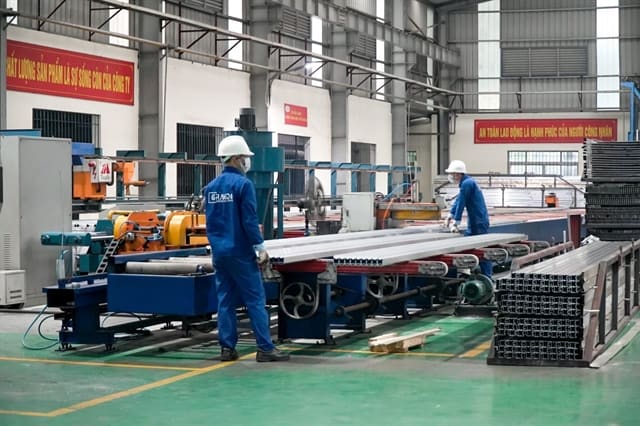
Hanoi Unveils Private Sector Support Package to Anchor Long-Term Growth
Tran Quoc Bao · 3 min

Khánh Hòa Province Positions for Halal Market Entry
Siti Nuraini · 3 min
Spot something wrong? Email editor@briefasia.com. We log every correction publicly.