Asia · Trade
Vietnam's Durian Exports Set to Cross $2 Billion as Peak Harvest Begins
Fresh fruit shipments regain momentum despite falling prices in China, with industry groups pushing for faster certification approvals to unlock year-end growth.
KEY TAKEAWAYS
- ·Vietnam's durian exports are set to exceed $2 billion by end-July, with industry projections reaching $4 billion for the full year if regulatory approvals accelerate.
- ·National durian output has grown 20-30% annually, hitting 1.8 million tonnes in 2025 and forecast to reach 2.0-2.1 million tonnes in 2026.
- ·Retail prices in China have fallen to 20-30 yuan per half-kilogram from 35-45 yuan a year earlier as Vietnam, Thailand, and Malaysia harvest simultaneously.
Export Momentum Returns Despite Price Pressure
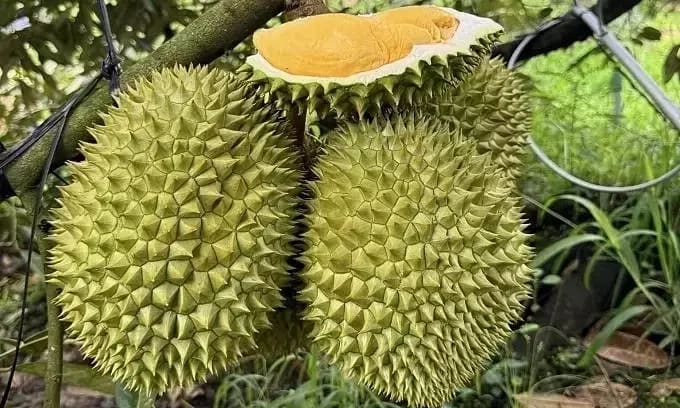
Vietnam's durian shipments are on track to exceed $2 billion by the end of July, marking a recovery in export momentum even as wholesale prices in China drop to multi-year lows. The Vietnam Fruit and Vegetable Association projects annual exports could reach $4 billion in 2026 if regulatory bottlenecks ease and the Central Highlands harvest proceeds without disruption, according to Dang Phuc Nguyen, the association's general secretary.
That would represent a jump of more than 5% from the $3.8 billion recorded in 2025. The forecast hinges on faster approvals for growing-area and packing-house codes, which determine which farms and facilities can ship fruit through official channels.
Production Climbs 20-30% Annually
Vietnam's durian-growing area now covers roughly 192,000 hectares, data from the Department of Crop Production and Plant Protection show. National output has expanded by 20-30% each year in recent seasons, reaching approximately 1.8 million tonnes in 2025. Government projections put this year's harvest at 2.0-2.1 million tonnes.
The Central Highlands region is entering peak production, adding supply just as Thailand and Malaysia also bring fruit to market. The overlap is intensifying competition across Southeast Asia's three main durian exporters.
Nguyen said the rapid growth in output is outpacing the pace of code approvals. Without additional certified orchards and packing houses, a growing share of the harvest risks being locked out of formal export channels during the busiest months of the year.
Frozen Products Remain a Niche
Frozen durian has grown as a share of Vietnam's shipments but still represents a small portion of total sales. Frozen products currently account for 10-15% of exports and are expected to rise to around 20% this year, the association said.
China imported roughly $8 billion of durian from Southeast Asia last year, with fresh fruit making up about $7 billion and frozen products contributing just over $1 billion. The data underscore Chinese consumers' preference for fresh over processed formats.
Frozen durian also faces logistical hurdles. The product requires unbroken cold-chain infrastructure from packing through final delivery, a requirement that raises costs and complicates distribution in inland provinces. Value-added formats such as frozen pulp and dried durian have not gained meaningful traction in the Chinese market.
Prices Fall as Supply Surges
Retail prices for Thai and Vietnamese Monthong durian in China now range from 20 to 30 yuan per half-kilogram, down from 35-45 yuan a year earlier. Wholesale prices have dropped even more sharply.
Nguyen attributed the decline to weaker demand rather than quality issues. Heavy rain and flooding across parts of China have slowed fruit consumption in recent weeks, affecting durian alongside other imported varieties. At the same time, simultaneous harvests in Vietnam, Thailand, and Malaysia have flooded the market. In Thailand, abundant supply has pushed prices to their lowest point in roughly a decade.
Improved logistics have also played a role. During peak season, Thai durians now reach the southwestern city of Kunming in about 26 hours and can be distributed to more than 30 Chinese cities within 48 hours, according to Vietnam's Agency of Foreign Trade. Faster delivery times and lower transport costs have increased product availability and put downward pressure on prices.
Exporters expect premium varieties to hold up better than standard fruit. High-end durian is likely to maintain relatively stable prices due to resilient demand from affluent consumers, while mid-tier and commodity-grade fruit will continue to face pressure as supply expands.
Regulatory Reforms in the Works
The Vietnamese government is drafting a resolution aimed at streamlining the process for obtaining growing-area and packing-house codes. The measures are designed to shorten processing times, reduce compliance costs, and strengthen post-clearance inspections and product traceability.
The Ministry of Agriculture and Environment said it is continuing talks with Chinese authorities to accelerate approvals. Faster certification would allow more farms and facilities to participate in official export channels, particularly during the second-half harvest surge from the Central Highlands.
The resolution reflects growing recognition that regulatory capacity needs to keep pace with production growth. Without faster approvals, a widening gap between total output and certified supply could constrain export revenue during peak months and force more fruit into informal channels or domestic markets at lower prices.
RELATED STORIES

Vietnam's Offshore Oil Find Tests Hanoi's Will Against Beijing
Priyanka V. Rao · 5 min
Vietnam Ships 1.7 Million Tonnes of Coffee as Brazil Delays and EU Rules Reshape Trade
Tran Quoc Bao · 3 min
Chinese Brands Capture Vietnam's $92 Million Robot Vacuum Market
Siti Nuraini · 3 min
Vietnam's Trade Turnover Hits $770 Billion as Imports Surge Past Exports
Jun-ho Seo · 2 min
Spot something wrong? Email editor@briefasia.com. We log every correction publicly.