Finance · Markets
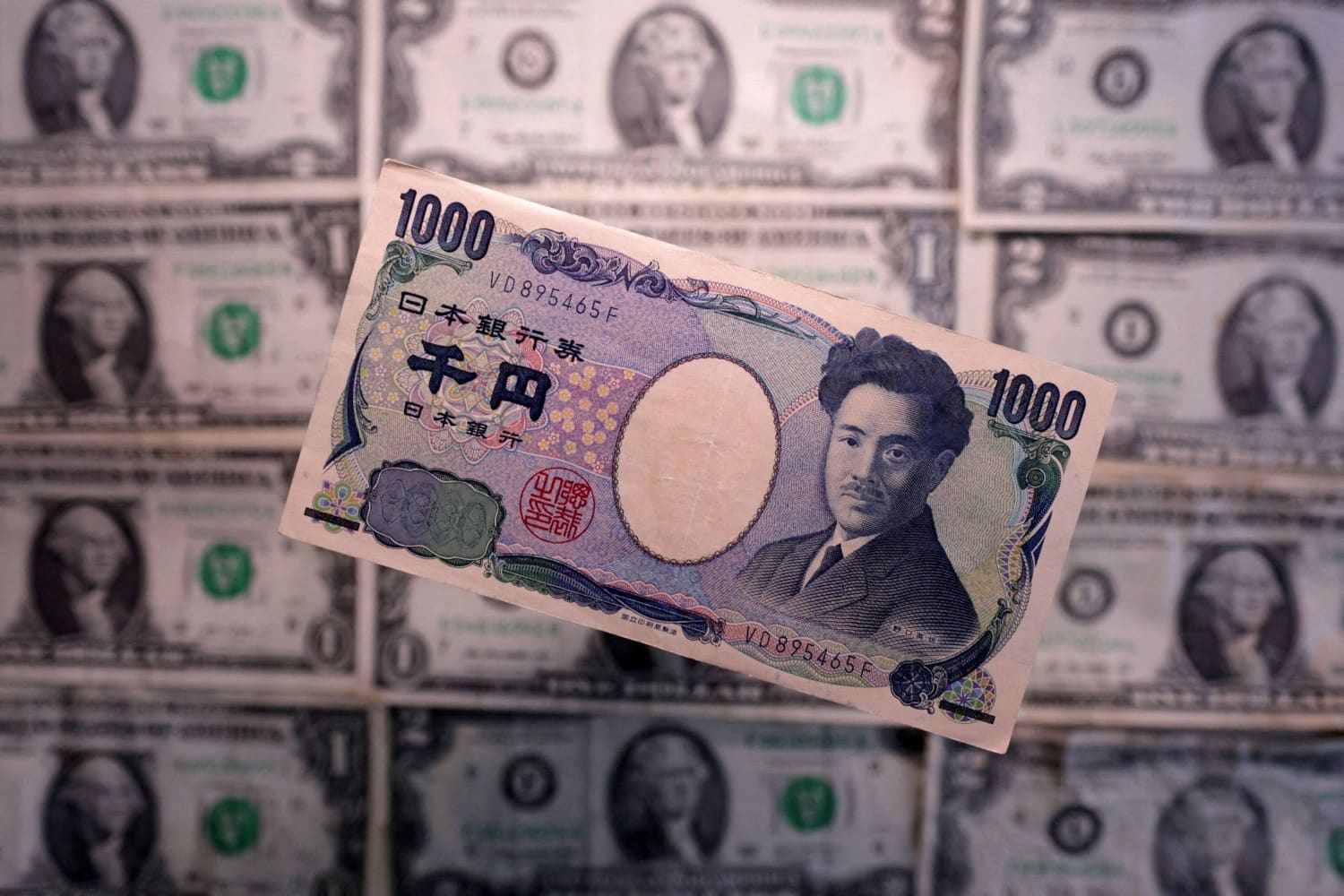
US Treasury Makes Rare Yen Purchase as Japan Battles Currency Slide
Washington's direct market intervention marks a sharp departure from decades of hands-off policy as the yen hovers near four-decade lows
KEY TAKEAWAYS
- ·The US Treasury executed outright yen purchases in coordination with Japan, breaking decades of non-intervention policy as the currency traded near 40-year lows.
- ·Treasury Secretary Scott Bessent authorized the rare move alongside signals from the Federal Reserve, creating conditions for a sustained yen rally after months of decline.
- ·A stronger yen will pressure Japanese exporters' profit margins and could trigger repatriation flows from institutional investors holding trillions in foreign assets.
A Policy Reversal in Washington
The US Treasury executed direct purchases of Japanese yen, breaking with decades of non-intervention policy to support a currency that has shed value for months. The move, coordinated with Japanese authorities, represents the most significant American involvement in foreign exchange markets since the Plaza Accord era.
Treasury Secretary Scott Bessent authorized the intervention as the yen traded near 40-year lows against the dollar. The decision signals a fundamental shift in Washington's approach to currency management, particularly regarding its closest Asian ally. Bessent, who took office earlier this year, has previously expressed concern about disorderly currency movements and their impact on global trade flows.
The joint action comes after months of solo efforts by Japan's Ministry of Finance, which has spent tens of billions of dollars attempting to arrest the yen's decline. Tokyo's previous interventions yielded only temporary relief, with the currency resuming its downward trajectory within days or weeks of each action.
The Federal Reserve Factor
The Federal Reserve's role in the currency's recent recovery cannot be separated from Treasury's intervention. Market participants point to a confluence of monetary policy signals and direct market action that together created conditions for a sustained yen rally.
The Fed has maintained elevated interest rates throughout 2026, but recent communications from policymakers suggest a potential shift in stance. Rate differentials between US and Japanese bonds have been a primary driver of yen weakness, as investors borrowed cheaply in yen to invest in higher-yielding dollar assets. Any narrowing of that gap, whether through Fed cuts or Bank of Japan hikes, mechanically supports the yen.
Japan's currency had lost roughly 25 percent of its value against the dollar over the preceding twelve months, driven by the widening gap between American and Japanese monetary policy. The Bank of Japan has kept rates near zero even as the Fed pushed its benchmark above 5 percent, creating a profitable carry trade that funneled capital out of yen-denominated assets.
Market Response and Skepticism
Currency traders responded immediately to news of US involvement, pushing the yen sharply higher in overnight trading. The dollar fell more than 3 percent against the yen in the hours following confirmation of Treasury purchases, though it remained well above levels seen a year earlier.
Some market veterans question whether even coordinated intervention can durably alter currency trends driven by fundamental policy divergence. History offers mixed lessons. The 1985 Plaza Accord successfully weakened the dollar through coordinated G5 intervention, but subsequent efforts have often failed to override market forces for extended periods.
The size of Treasury's purchases remains undisclosed. Standard practice dictates that central banks and finance ministries reveal intervention totals only after a delay, if at all. Japan's Ministry of Finance publishes monthly data on its own operations, typically showing intervention volumes in the tens of billions of dollars during active periods.
Implications for Asian Capital Flows
A stronger yen carries consequences beyond the bilateral dollar-yen rate. Japanese institutional investors, including pension funds and insurance companies, hold trillions of dollars in foreign assets. A rising yen reduces the hedging costs for these investors and can trigger repatriation flows that reinforce currency strength.
Regional currencies have also gained ground alongside the yen, as investors reassess their exposure to Asian assets. The Korean won, Thai baht, and Indonesian rupiah all posted gains in the wake of the intervention announcement, suggesting a broader recalibration of risk appetite in the region.
For Japanese exporters, a stronger yen erodes profit margins on overseas sales. Major manufacturers including Toyota, Sony, and Panasonic base their annual earnings guidance on specific dollar-yen assumptions. A sustained move away from recent weak-yen levels will force downward revisions to profit forecasts and could dampen capital expenditure plans.
What Comes Next
The sustainability of the yen's recovery depends on whether US and Japanese policymakers can maintain coordination and whether underlying monetary policy trends shift. If the Fed begins cutting rates while the Bank of Japan holds steady or tightens, the intervention will have bought time for fundamentals to catch up with policy goals.
Markets will scrutinize upcoming economic data from both countries for clues about the next policy moves. US inflation readings, employment reports, and Fed minutes will drive expectations for American rate cuts. In Japan, wage growth and consumption data will determine whether the Bank of Japan has room to normalize policy further without choking off fragile economic momentum.
The Treasury's decision to act directly in currency markets also raises questions about future intervention thresholds. If Washington is willing to support the yen at current levels, traders will test whether similar support exists for other currencies or at different exchange rates. The precedent set by Bessent's Treasury may reshape expectations for official intervention across emerging and developed markets alike.
RELATED STORIES

Japan Wage Growth Hits 29-Year High, Reinforcing Central Bank Rate Path
Aiko Nakamura · 3 min
Bank of Japan Signals Possible Rate Increase This Month
Aiko Nakamura · 3 min

Bank of Japan Prepares Third Rate Increase in Ten Months
Aiko Nakamura · 3 min
Bank of Japan to Continue Rate Increases to Anchor Inflation at 2 Per Cent
Aiko Nakamura · 3 min
Spot something wrong? Email editor@briefasia.com. We log every correction publicly.