Asia · Politics
US State Department Moves to Close Five Diplomatic Posts Across Asia and Beyond
Planned shutdowns in Indonesia, Japan, Canada, Grenada, and Cameroon mark rare downsizing of America's diplomatic presence as administration prioritizes cost-cutting over global footprint.
KEY TAKEAWAYS
- ·The US State Department notified Congress of plans to close five diplomatic posts in Medan, Nagoya, Winnipeg, St. George's, and Douala.
- ·The closures mark a rare downsizing unconnected to geopolitical crises, driven instead by administration cost-cutting priorities.
- ·China maintains diplomatic presence in Medan, Nagoya, and St. George's, raising questions about influence vacuums in key Asian markets.
Scaling Back the Diplomatic Map
The US State Department has informed congressional committees that it intends to shutter five diplomatic posts spanning three continents, marking an unusual contraction of American diplomatic infrastructure unconnected to any specific crisis or security threat.
The missions slated for closure include consulates in Medan, Indonesia; Nagoya, Japan; and Winnipeg, Canada, alongside the embassy in St. George's, Grenada, and an embassy branch office in Douala, Cameroon. The notification, sent to select congressional committees late last week, has not been publicly disclosed.
This downsizing represents a departure from typical diplomatic practice. Historically, the US closes foreign missions in response to acute geopolitical developments such as conflict, diplomatic ruptures, or security concerns. The current round of closures appears driven instead by administrative priorities centered on cost efficiency.
The Asia Dimension
The decision to withdraw from Medan and Nagoya carries particular weight in a region where Washington has spent years emphasizing its commitment to strategic presence. Under the previous Biden administration, the US opened several new missions across the Pacific, explicitly positioning them as part of efforts to counter Chinese influence in the Indo-Pacific theater.
China maintains diplomatic representation in both Medan and Nagoya, as well as in St. George's. The closures leave those cities without an American diplomatic counterweight at a moment when regional influence remains a stated US foreign policy priority.
Medan, Indonesia's fourth-largest city and a commercial hub for Sumatra, has served as a consular outpost for American interests in a nation of 280 million people. Nagoya, Japan's fourth-largest metropolitan area and home to major manufacturing operations including Toyota, represents a significant economic center in America's closest Asian ally.
The Winnipeg consulate serves Canada's Prairie provinces, while the St. George's embassy covers the eastern Caribbean nation of Grenada, population roughly 125,000. The Douala branch office supports operations in Cameroon's largest city and primary port.
Behind the Decision
Early in 2025, during the opening phase of the Trump administration's second term, the State Department began internal reviews aimed at closing nearly a dozen missions. At the time, the White House Office of Management and Budget pushed for an even more aggressive program targeting up to 30 closures.
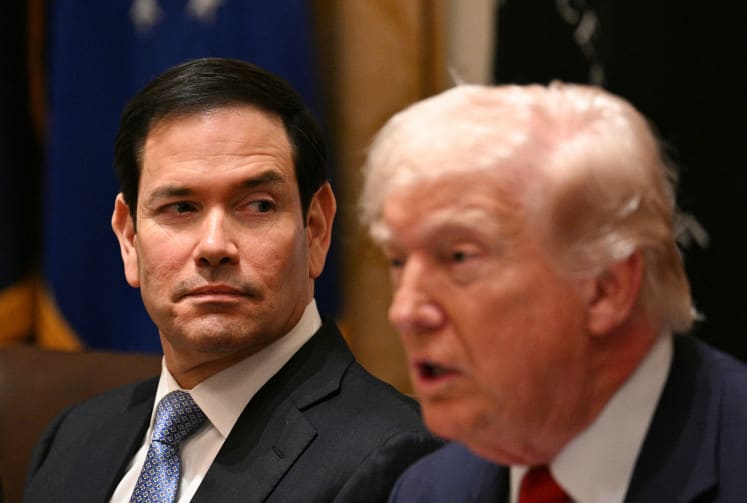
Administration officials have argued privately that smaller missions often fail cost-benefit analysis, consuming resources disproportionate to their strategic or consular output. Secretary of State Marco Rubio has framed such measures as necessary corrections to an organization conservatives describe as overstaffed and inefficient.
The State Department underwent substantial internal restructuring last year, eliminating dozens of bureaus and hundreds of positions. Yet until now, no foreign missions had been formally closed under the administration's "America First" reorganization.
In a statement issued Sunday, the department declined to confirm the specific closures but said it remained focused on ensuring an efficient and effective diplomatic footprint. The statement emphasized adherence to congressional notification requirements, a procedural safeguard that gives lawmakers opportunity to review and potentially challenge proposed closures.
The Broader Debate
Critics, including Democrats and former national security officials, contend that contracting America's diplomatic presence creates openings for rivals. They point to the dismantling of the US Agency for International Development, which previously distributed billions in global aid, as compounding the risk of retreat from international leadership.
The concern centers on vacuum dynamics. When American diplomats leave, the argument runs, Chinese and Russian counterparts expand their own networks, building influence through economic engagement, infrastructure investment, and political cultivation.
Supporters of the closures counter that the US maintains robust embassy operations in major capitals, including Jakarta, Tokyo, and Ottawa, and that consular and branch offices in secondary cities often duplicate functions without delivering commensurate strategic value.
The planned shutdowns arrive as the administration continues recalibrating how the United States projects power and allocates resources globally. Whether this represents a one-time adjustment or the beginning of a longer contraction remains an open question among diplomats and analysts watching the State Department's trajectory.
Congressional committees now hold the procedural leverage to scrutinize the closures. How they respond will offer early signals of whether legislative oversight can temper executive branch cost-cutting impulses in foreign policy infrastructure.
RELATED STORIES
Asian Tech Stocks Surge as Weak US Jobs Data Dims Rate Hike Outlook
Cheng Wei-Lun · 4 min
Indonesia's Education Bill Revision Could Reopen Funding Door for Free Meals Program
Siti Nuraini · 3 min

Indonesia Begins Domestic Construction of Scorpene Submarines in Regional First
Siti Nuraini · 3 min

Indonesia Car Sales Jump 34% as Electric Vehicles Reshape Southeast Asia's Auto Market
Siti Nuraini · 3 min
Spot something wrong? Email editor@briefasia.com. We log every correction publicly.