Technology · Policy
US Probes Moonshot AI Over Kimi K3 Training Data and Chip Access
Washington investigates whether the Chinese AI firm improperly used Anthropic outputs and accessed export-controlled Nvidia hardware for its latest model
KEY TAKEAWAYS
- ·The US government is investigating Moonshot AI over allegations that its Kimi K3 model improperly used Anthropic's Fable outputs and trained with restricted Nvidia GB300 chips accessed outside China.
- ·The probe examines potential circumvention of US export controls through overseas cloud infrastructure and raises questions about intellectual property boundaries in AI training data.
- ·The case signals heightened scrutiny of cross-border AI development in Asia and may lead to tighter controls on cloud providers leasing compute capacity to Chinese entities.
Investigation Targets Chinese AI Developer
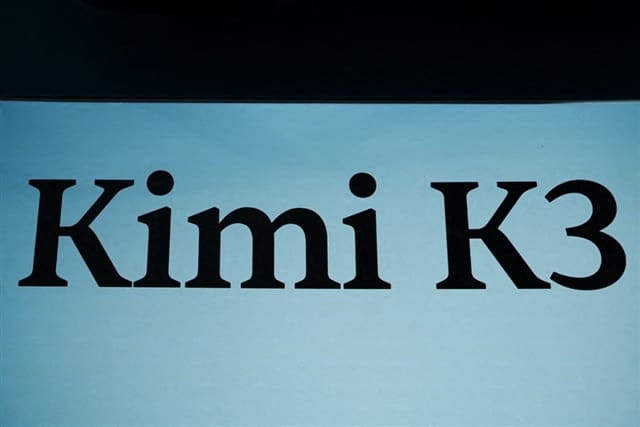
Washington has opened an investigation into Moonshot AI, a Chinese artificial intelligence developer, examining whether the company's Kimi K3 model violated US technology controls and intellectual property protections. The probe centers on two distinct allegations: unauthorized use of outputs from Anthropic's Fable model and training the system with export-restricted Nvidia GB300 chips that were accessed outside mainland China.
The investigation marks an escalation in US-China technology tensions, particularly around frontier AI development. Moonshot AI has emerged as one of China's more prominent generative AI startups, and Kimi K3 represents its latest attempt to compete with Western large language models in capabilities and performance.
Two Fronts of Scrutiny
The first allegation concerns data provenance. US authorities are examining whether Moonshot AI improperly incorporated outputs from Anthropic's Fable model into the training dataset for Kimi K3. Such use would raise questions about intellectual property boundaries in AI development, where model outputs can themselves become training material for competing systems. Anthropic, a San Francisco-based AI safety company backed by significant venture capital, has positioned Fable as a next-generation reasoning model.
The second line of inquiry involves hardware access. Investigators are looking into whether Moonshot AI trained Kimi K3 using Nvidia's GB300 chips, advanced graphics processing units subject to US export controls when destined for Chinese entities. Critically, the allegation suggests these chips were accessed outside China, potentially through cloud infrastructure or partnerships in jurisdictions not covered by the export restrictions.
Export Control Circumvention
The Nvidia GB300 architecture represents cutting-edge AI training hardware, capable of accelerating the massive computational workloads required for large language models. US export controls implemented in recent years have explicitly restricted the sale of high-performance chips like the GB300 to Chinese companies, aiming to limit Beijing's access to the most advanced AI infrastructure.
If Moonshot AI accessed these chips through overseas channels, data centers in Singapore, Tokyo, or other regional hubs with fewer restrictions, it would constitute a potential circumvention of those controls. The investigation will likely examine cloud service agreements, chip procurement records, and training logs to determine where and how Kimi K3 was developed.
Implications for Cross-Border AI Development
The case against Moonshot AI highlights the growing complexity of enforcing technology controls in an era of distributed computing and global cloud infrastructure. Chinese AI firms have increasingly turned to overseas compute resources to access hardware unavailable domestically, while US policymakers have struggled to close these pathways without disrupting legitimate commercial cloud services.
For the broader AI industry in Asia, the investigation signals heightened scrutiny of training practices and hardware sourcing. Companies developing models in the region will face pressure to document their compute infrastructure and data lineage more rigorously, particularly if they aim to operate in markets sensitive to US export compliance.
What Comes Next
The outcome of the investigation remains uncertain. If the allegations are substantiated, Moonshot AI could face sanctions, export denials, or restrictions on accessing US technology and partnerships. The case may also prompt tighter controls on cloud service providers that lease compute capacity to Chinese entities, extending export restrictions beyond hardware sales to infrastructure access.
Washington's move comes as competition in generative AI intensifies across Asia. Chinese developers have made significant progress in closing the capability gap with Western models, but access to frontier chips and training data remains a persistent constraint. This investigation will test whether current US controls can effectively limit that access without fragmenting the global AI ecosystem further.
RELATED STORIES

Hong Kong Debuts Robot-Run Convenience Store in Commercial Automation Push
Cheng Wei-Lun · 3 min

China Scrubs 5.6 Million AI-Generated Posts in Platform Cleanup
Cheng Wei-Lun · 3 min
Chinese Automakers Target Hybrid Market After EV Dominance
Cheng Wei-Lun · 3 min

CaoCao Mobility Bets on Autonomous Taxis as Revenue Tops RMB 10 Billion
Cheng Wei-Lun · 3 min
Spot something wrong? Email editor@briefasia.com. We log every correction publicly.