Asia · Trade
US Imposes Forced Labor Tariffs on 60 Trading Partners Including South Korea and Japan
Washington targets Asia-Pacific economies with up to 12.5 percent duties effective immediately, citing inadequate import controls on goods linked to coerced labor
KEY TAKEAWAYS
- ·The US imposed tariffs of 10 to 12.5 percent on 60 countries, including South Korea at the higher rate, effective immediately under Section 301 authority.
- ·The action targets insufficient controls on forced labor imports, applying to major Asian manufacturing economies and close US allies alike.
- ·Affected exporters face immediate margin pressure while governments weigh legal challenges, bilateral negotiations, or domestic policy reforms to secure relief.
Sweeping Trade Action Targets Asia-Pacific Economies
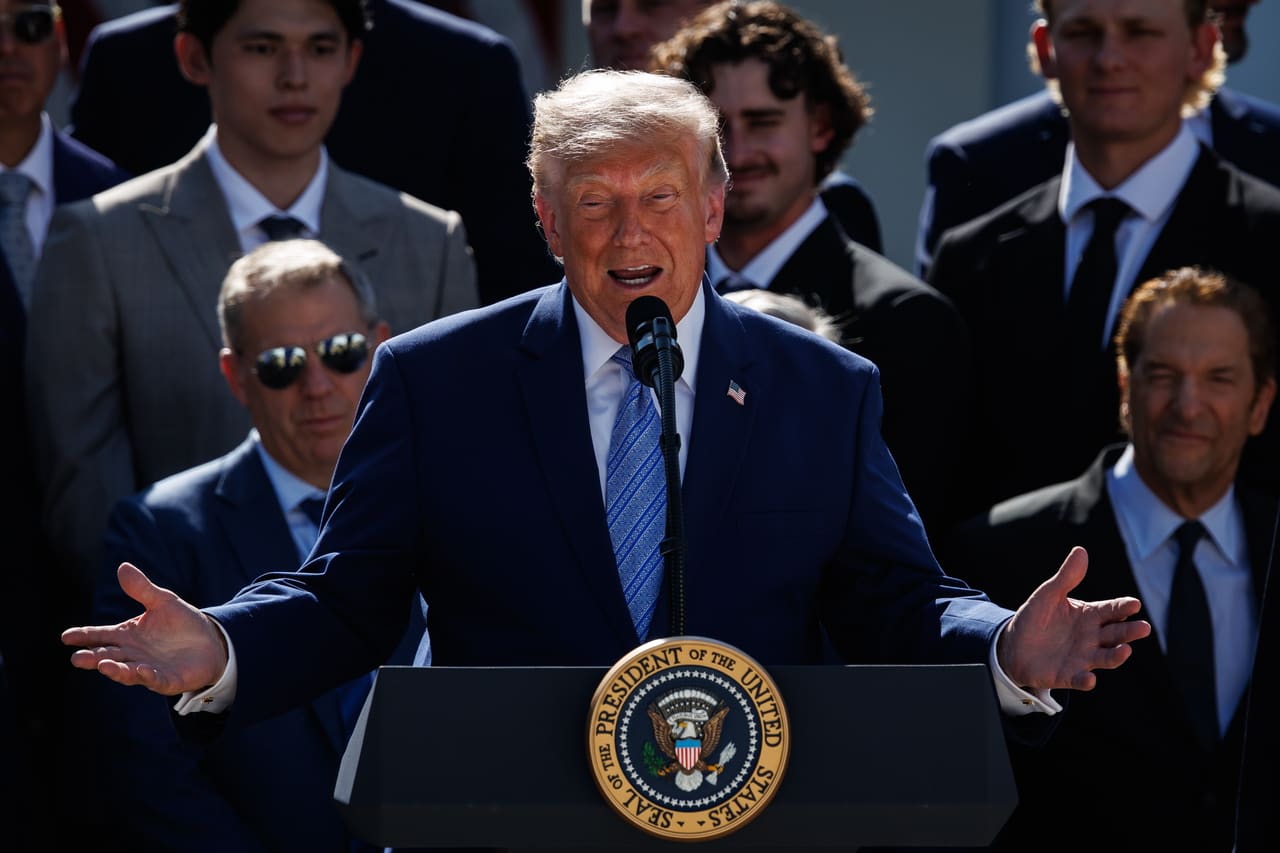
The United States has imposed tariffs of up to 12.5 percent on South Korea, Japan, and 58 other trading partners, citing insufficient efforts to prevent goods made with forced labor from entering their markets. The Office of the US Trade Representative announced the duties took effect Friday, following Section 301 investigations into 60 economies under the 1974 Trade Act.
The tariff rates split into two tiers: 12.5 percent for South Korea and a separate bracket of 10 percent for other nations, though the USTR announcement did not detail the full breakdown by country. The action represents one of the broadest simultaneous trade enforcement measures in recent years, touching major manufacturing hubs across Asia and beyond.
Washington initiated the Section 301 probes to assess whether targeted governments had implemented adequate controls to block imports of products manufactured through coerced labor. The investigations examined customs enforcement mechanisms, supply chain transparency requirements, and cooperation with international labor standards.
Regional Supply Chain Implications
South Korea's 12.5 percent rate places it among the highest-tariff jurisdictions in this action. The country's export-driven economy sends electronics, automobiles, petrochemicals, and machinery to US markets; sectors now facing immediate cost pressures. Seoul has not yet issued a formal response, though trade officials in the region typically coordinate retaliatory measures or seek bilateral exemptions when hit with unilateral tariffs.
Japan's inclusion signals Washington's willingness to apply forced labor standards even to close allies with advanced regulatory systems. Tokyo has historically aligned with US trade policy frameworks, yet the tariff designation suggests American officials found gaps in import screening or enforcement.
The timing comes as global supply chains remain under scrutiny following pandemic-era disruptions and rising geopolitical tensions. Multinational corporations operating in Asia have faced mounting pressure from Western governments and advocacy groups to audit labor practices deeper into their supplier networks, particularly in sectors reliant on migrant workers or subcontracted manufacturing.
Section 301 and Precedent
Section 301 grants the USTR authority to investigate foreign trade practices deemed unfair or harmful to US commerce and to impose tariffs, quotas, or other remedies. The Trump administration previously wielded this tool to levy duties on Chinese goods over intellectual property concerns, a campaign that reshaped bilateral trade flows and sparked retaliatory measures from Beijing.
Applying Section 301 to forced labor marks an extension of the statute beyond its traditional focus on IP theft or market access barriers. The move aligns with broader US policy initiatives, including the Uyghur Forced Labor Prevention Act, which presumes goods from China's Xinjiang region are tainted by coerced labor unless proven otherwise.
By casting the net across 60 economies, the administration signals that forced labor enforcement will not be limited to a single adversary but applied to any jurisdiction where Washington judges controls insufficient. This approach risks friction with allies and emerging markets that view the tariffs as protectionist measures cloaked in human rights rhetoric.
Immediate Market and Policy Response
Exporters in affected countries face a choice: absorb the tariff cost, raise prices for US buyers, or shift production to exempt markets. For South Korea's semiconductor and automotive suppliers, a 12.5 percent duty can erase profit margins on competitively priced components. Japanese precision machinery and chemical exporters confront similar math.
Trade lawyers and compliance teams will now scrutinize the legal basis for each country's designation, seeking pathways to challenge the tariffs at the World Trade Organization or negotiate bilateral agreements that satisfy US forced labor criteria. Some governments may accelerate legislative reforms, tightening import documentation and expanding customs inspection capacity to demonstrate compliance and secure tariff relief.
The action also sets a precedent for future enforcement. If Washington deems the tariffs effective in altering foreign government behavior, similar Section 301 investigations could proliferate, covering environmental standards, digital services taxes, or other policy areas where the US seeks leverage. For companies with Asian supply chains, the cost of regulatory divergence between the US and regional partners just increased measurably.
What Comes Next
The 60-country scope guarantees diplomatic blowback. South Korea and Japan will likely press for exemptions or phase-in periods through existing bilateral trade dialogues. Smaller economies without direct negotiating channels to Washington may seek collective action through ASEAN or other regional forums.
US importers, meanwhile, will lobby for exclusions or temporary relief as they reconfigure supply chains. The tariffs take effect immediately, leaving little runway for adjustment. Businesses that cannot quickly source from tariff-exempt countries will pass costs to consumers or accept margin compression.
Whether the forced labor justification withstands international legal scrutiny remains an open question. The WTO permits trade restrictions for public morals, including human rights, but requires that measures be necessary and not disguised protectionism. Complainants will argue the US applied a blanket penalty without country-specific evidence of forced labor entering American markets through each of the 60 jurisdictions.
For now, the tariffs stand, and the message is clear: Washington intends to use trade policy as a lever for labor standards enforcement, even when that lever lands on close partners across the Pacific.
RELATED STORIES
Japan Deploys $96.5 Billion in Currency Intervention to Halt Yen's Slide
Aiko Nakamura · 3 min
Seoul Faces Economic Pressure as US Policy Shift Strains Trade and Security Ties
Cheng Wei-Lun · 4 min
South Korea Breaks Full-Year Export Record in September
Tran Quoc Bao · 3 min
SK Hynix Union Rejects Wage Deal in Razor-Thin Vote
Cheng Wei-Lun · 3 min
Spot something wrong? Email editor@briefasia.com. We log every correction publicly.