Finance · Banking
US Banks Line Up to Finance Japan's $550 Billion American Investment Pledge
JPMorgan and other Wall Street institutions are positioning themselves to underwrite a historic capital commitment aimed at deepening economic ties between Tokyo and Washington.
KEY TAKEAWAYS
- ·JPMorgan and other US banks are arranging financing for Japan's $550 billion investment pledge to the United States, one of the largest bilateral capital commitments on record.
- ·The capital will flow through direct corporate investment, public-private partnerships, and structured financing vehicles targeting infrastructure, manufacturing, and technology projects.
- ·Currency volatility and US policy shifts pose execution risks, but the deal could set a precedent for other Asian economies to increase investment in American assets.
Wall Street Mobilizes for Historic Deal
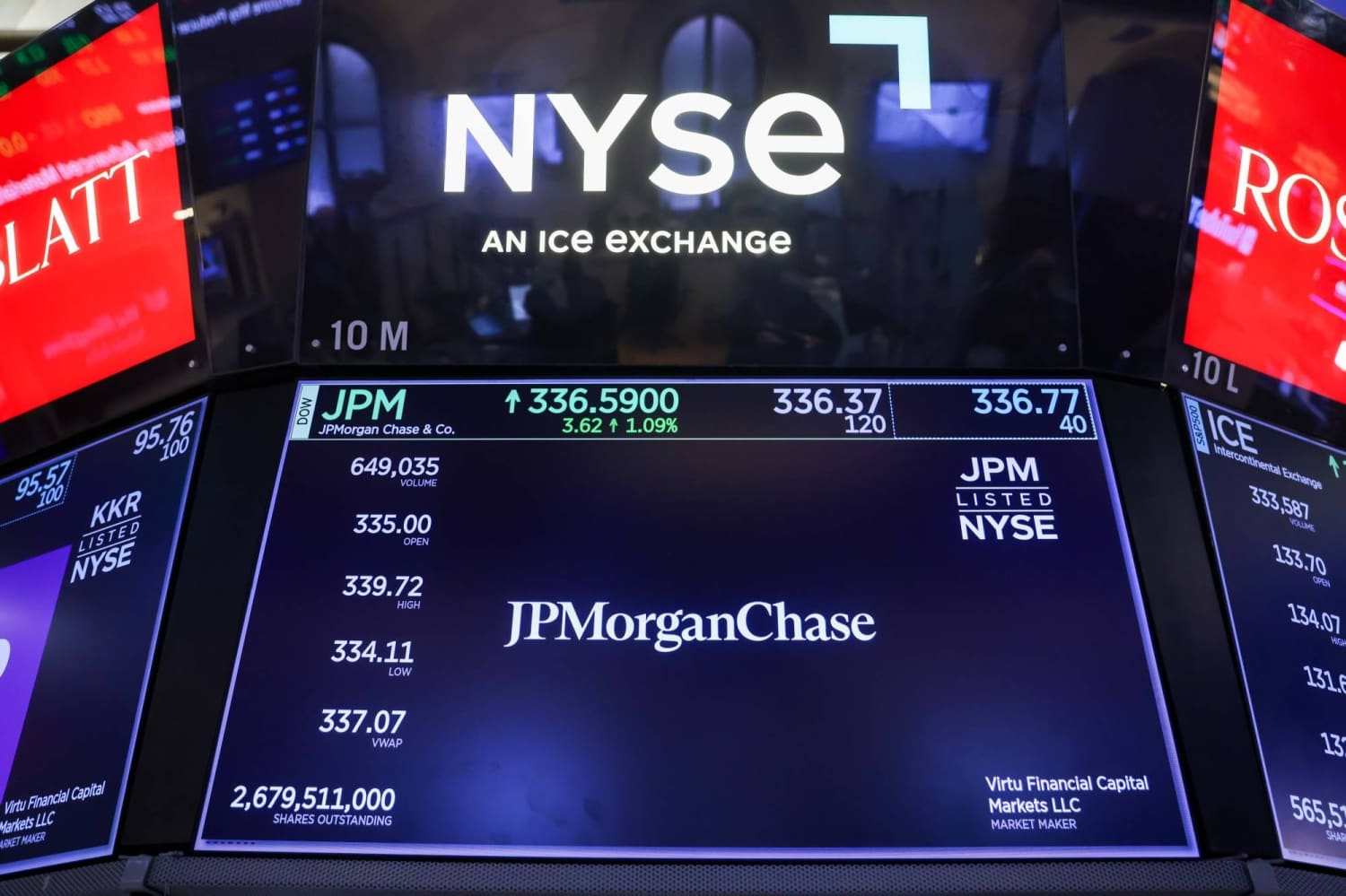
JPMorgan Chase is among several major US banks preparing to arrange financing for Japan's $550 billion investment pledge to the United States, according to sources familiar with the matter. The commitment, made directly to President Donald Trump, represents one of the largest cross-border capital deployments by a single nation in modern financial history.
The involvement of American financial institutions signals that Tokyo's promise extends beyond diplomatic rhetoric. Banks are now structuring lending facilities, underwriting frameworks, and advisory mandates to channel Japanese corporate and institutional capital into US projects. The financing arrangements are expected to span infrastructure, manufacturing, technology ventures, and real estate developments across multiple states.
Scale and Scope of the Capital Commitment
At $550 billion, the pledge dwarfs previous bilateral investment announcements. For context, Japan held approximately $1.13 trillion in US Treasury securities as of early 2026, making it one of Washington's largest creditors. The new commitment suggests a strategic pivot toward equity and project-based investments rather than sovereign debt alone.
Sources indicate that the capital will flow through a mix of direct corporate investment, public-private partnerships, and structured financing vehicles. Japanese trading houses, manufacturers, and institutional investors are likely participants, with US banks acting as arrangers and co-financiers. The timeline for deployment remains unclear, though initial tranches could begin moving within the next fiscal year.
Strategic Implications for US-Japan Economic Relations
The investment pledge arrives at a moment of heightened focus on supply chain resilience and allied economic coordination. Washington has pressed partners to increase domestic investment in semiconductors, advanced manufacturing, and critical infrastructure. Japan, with its deep pools of savings and corporate cash reserves, is positioned to answer that call.
For US banks, the opportunity is substantial. Arranging and financing a deal of this magnitude generates advisory fees, interest income, and long-term client relationships across both markets. JPMorgan, with its global reach and established presence in Tokyo, is well positioned to capture a significant share. Other bulge-bracket firms are expected to compete for mandates, particularly in sectors where they hold domain expertise.
Execution Challenges and Market Dynamics
Deploying half a trillion dollars efficiently is no small task. Japanese investors will need to identify viable projects, navigate regulatory approvals, manage currency risk, and ensure returns meet domestic expectations. US banks will play a critical role in due diligence, structuring, and risk mitigation.
Currency volatility presents a persistent concern. A significant strengthening of the yen against the dollar could erode returns for Japanese investors, while a weaker yen might complicate repatriation of profits. Hedging strategies and structured currency products will likely feature prominently in financing arrangements.
Political risk also looms. Changes in US trade policy, tariffs, or investment restrictions could alter the attractiveness of certain sectors. Japanese firms have historically favored stability and long-term horizons; any sudden policy shifts in Washington could slow capital deployment or redirect flows to alternative markets.
Broader Context in Asia's Capital Flows
Japan's move may prompt other Asian economies to consider similar commitments, particularly as Washington seeks to deepen economic engagement across the Indo-Pacific. South Korea, Taiwan, and Singapore all maintain substantial foreign reserves and corporate sectors eager to expand in the US market. Competitive dynamics among allied capitals could accelerate the pace of cross-border investment.
For Asia's financial centers, the transaction sets a precedent. If Japanese capital flows smoothly into US assets with the backing of American banks, other regional players may follow suit, using similar financing structures. This could reshape capital allocation patterns across the Pacific, with Wall Street institutions acting as intermediaries.
The $550 billion pledge also underscores the enduring importance of the US-Japan economic relationship. Despite occasional trade tensions and shifting geopolitical priorities, Tokyo remains deeply invested in American prosperity. Whether this commitment translates into tangible economic outcomes will depend on execution, market conditions, and the durability of political support on both sides of the Pacific.
RELATED STORIES

Japan Wage Growth Hits 29-Year High, Reinforcing Central Bank Rate Path
Aiko Nakamura · 3 min
SoftBank Prices ¥1 Trillion Retail Bond in Largest Offering Since 2020
Aiko Nakamura · 3 min
Japan Tightens Oversight of Cross-Border Lending to Shadow Banks
Aiko Nakamura · 2 min
ABN Amro Clearing to Break Into Japan's Power Futures Market
Tran Quoc Bao · 3 min
Spot something wrong? Email editor@briefasia.com. We log every correction publicly.