Lifestyle · Culture
Twosome Place Overtakes Starbucks in South Korean Card Sales
The local coffee chain has led monthly card spending for three consecutive months, reflecting a sustained shift in consumer patterns following Starbucks' controversial marketing misstep.
KEY TAKEAWAYS
- ·Twosome Place recorded 117 billion won in card sales in July, 7 billion won ahead of Starbucks Korea's 110 billion won, according to IGAWorks Mobile Index data.
- ·The domestic chain has led monthly card spending since May, following public backlash against Starbucks' Tank Day marketing campaign.
- ·The sustained three-month trend suggests a shift in consumer loyalty rather than a temporary boycott, with implications for multinational brand strategy in competitive Asian markets.
The New Leader in Seoul's Coffee Wars
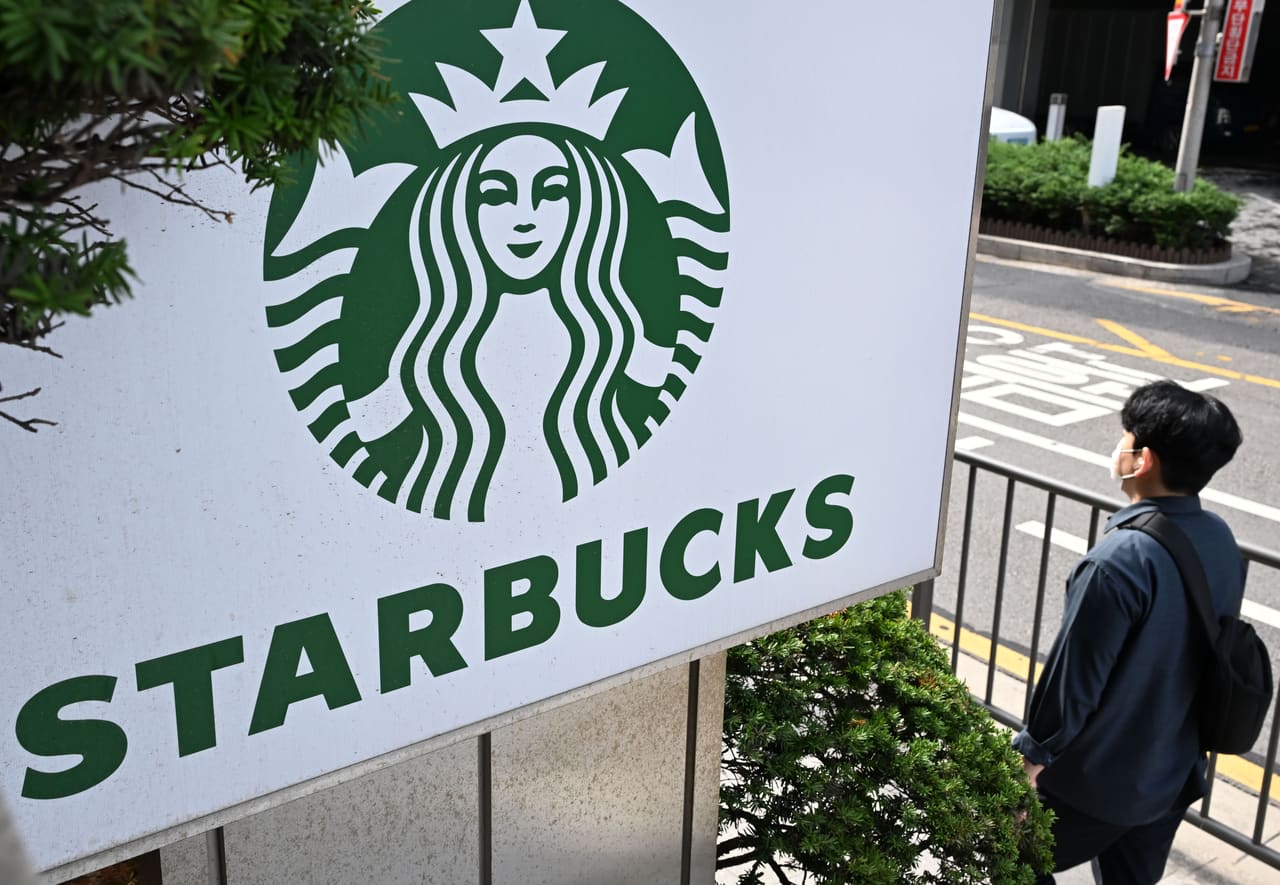
Starbucks Korea no longer dominates card spending among the country's coffee chains. Twosome Place recorded approximately 117 billion won ($82 million) in card transactions during July, surpassing Starbucks' 110 billion won, according to payment data from IGAWorks' Mobile Index. The lead marks the third consecutive month that the domestic chain has outperformed its American rival in this key retail metric.
The shift represents a tangible change in South Korean consumer behavior within a market where coffee culture runs deep and brand loyalty has historically been difficult to disrupt. Starbucks entered Korea in 1999 and built a commanding presence across Seoul and provincial cities, but the recent reversal in card spending patterns suggests that competitive dynamics are evolving faster than many industry watchers expected.
Fallout from a Marketing Misstep
The spending gap opened in May, shortly after Starbucks Korea ran a promotional campaign internally referred to as "Tank Day." The initiative drew public criticism for what consumers and commentators perceived as tone-deaf messaging, though the company has not issued detailed public statements clarifying the campaign's intent or acknowledging specific missteps.
What is clear from the payment data is that the controversy coincided with a measurable decline in Starbucks' monthly card sales relative to competitors. Twosome Place, a chain owned by CJ Foodville and known for its dessert offerings and cafe-bakery format, has capitalized on the opening. The company operates roughly 1,500 stores across South Korea, a smaller footprint than Starbucks but one that reaches key urban and suburban markets.
Regional Competition Intensifies
The card spending figures capture only part of the competitive picture. Other local chains, including Ediya Coffee and Mega Coffee, have also been expanding aggressively, targeting price-conscious consumers and secondary cities where real estate costs are lower. Ediya operates a franchise model that has enabled rapid store growth, while Mega Coffee has positioned itself as a value brand with a focus on convenience.
Twosome Place occupies a different segment, emphasizing premium positioning similar to Starbucks but with a stronger emphasis on food pairings and a more localized menu. The chain's ability to sustain higher card sales for three months running indicates that it has held onto customers who may have initially switched due to the Starbucks controversy, rather than simply benefiting from a temporary boycott.
What the Data Reveals
Card spending is a proxy for overall sales in South Korea, where electronic payments account for the vast majority of retail transactions. The IGAWorks figures track card and mobile payment transactions but do not capture cash sales or corporate accounts, meaning the actual revenue gap between the two chains may differ from the reported figures.
Still, the consistency of the trend is notable. May, June, and July all showed Twosome Place in the lead, suggesting that consumer preferences have shifted in a way that extends beyond short-term backlash. Starbucks Korea has not disclosed same-store sales figures or comparable metrics that would clarify whether its decline is due to reduced foot traffic, lower average transaction sizes, or both.
Broader Implications for Multinational Brands
The episode underscores the risks that global brands face when navigating local markets with distinct cultural and political sensitivities. South Korea's coffee market is highly competitive, with per capita consumption among the highest in Asia. Consumers have access to a wide range of domestic and international chains, and brand switching costs are low.
For Starbucks, the challenge will be whether the company can stabilize its market position or whether the recent trend reflects a more permanent erosion of its lead. The chain has historically relied on premium positioning, store experience, and brand cachet, but those advantages are less durable when competitors offer comparable quality and better align with local sentiment.
Twosome Place, meanwhile, faces the challenge of sustaining momentum. Leading in card sales for three months is significant, but maintaining that position will require continued investment in product development, store experience, and marketing that resonates with Korean consumers without triggering the kind of backlash that tripped up its competitor.
What Comes Next
Industry observers will be watching August and September figures closely to see whether the trend continues or whether Starbucks mounts a recovery. The chain has begun rolling out new seasonal offerings and store formats, but whether those initiatives are sufficient to win back lost customers remains uncertain.
For now, the payment data tells a clear story: in South Korea's crowded and competitive coffee market, dominance is no longer guaranteed, and missteps can have swift and measurable consequences.
RELATED STORIES

South Korea Builds New Retail Bridge for Fashion Export Push
Jun-ho Seo · 3 min
Homeplus Secures Funding and Resumes Operations as Court Deadline Looms
Jun-ho Seo · 4 min

South Korea's Beauty Export Success Built on Contract Manufacturing Model
Cheng Wei-Lun · 3 min

KT&G Posts Fourth Consecutive Quarter of Double-Digit Profit Growth
Cheng Wei-Lun · 3 min
Spot something wrong? Email editor@briefasia.com. We log every correction publicly.