Asia · Trade
Trump's 100% Tariff Threat Targets Indian Generic Drug Exporters
Two-year ultimatum demands pharmaceutical production shift to U.S. soil or face import duties that could double by 2028
KEY TAKEAWAYS
- ·President Trump announced a 100% tariff on non-patented drugs unless manufacturers move production to the U.S. within two years, escalating to 200% thereafter.
- ·Indian pharmaceutical companies supply 40% of U.S. generic medicines and exported over $8 billion in drugs last fiscal year, making them the primary target.
- ·The two-year timeline creates execution challenges, as FDA facility approvals typically require 18 to 24 months before construction and workforce training begin.
A New Front in Trade Policy
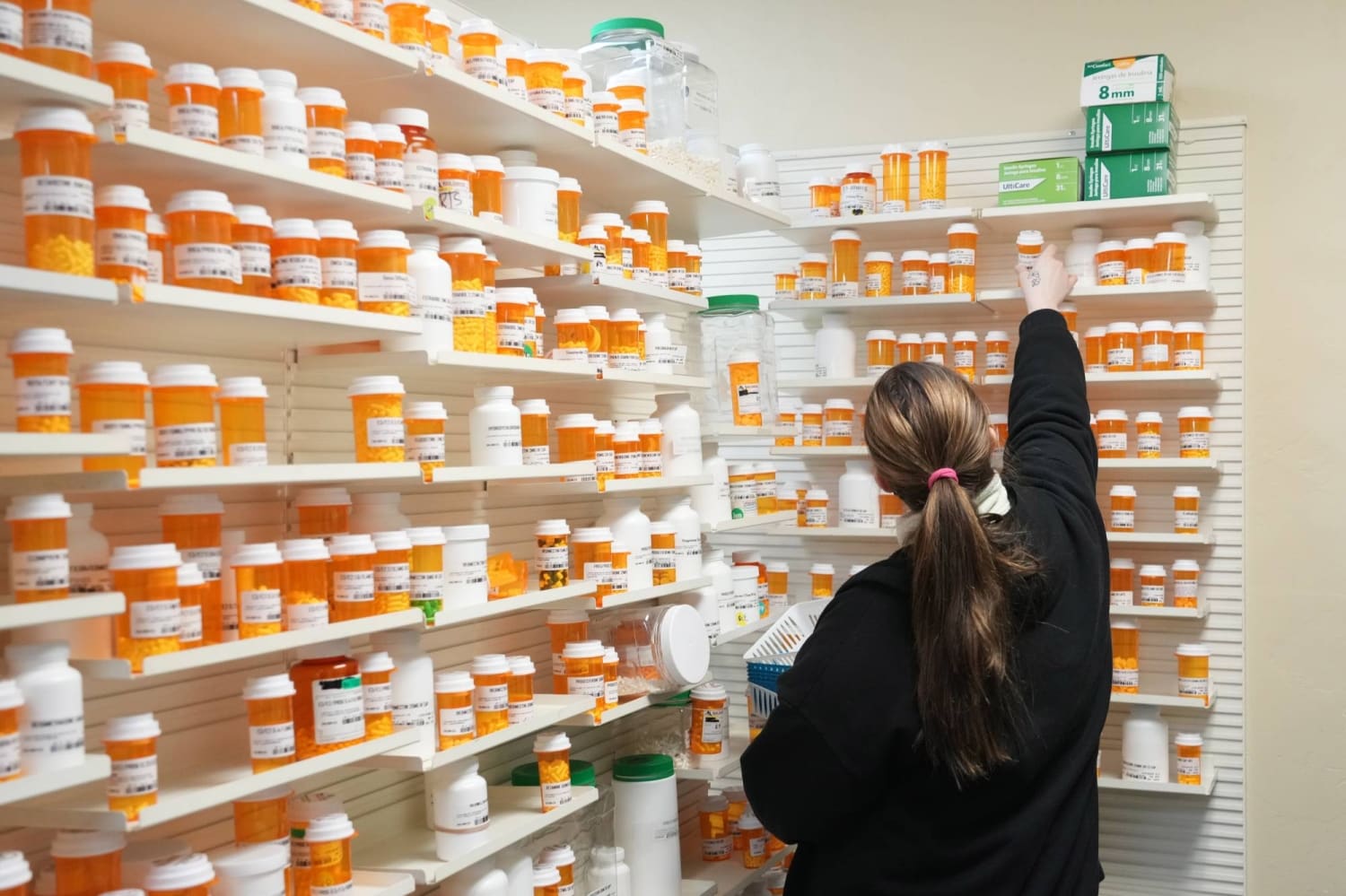
U.S. President Donald Trump announced plans for a 100% import tariff on non-patented pharmaceuticals, giving generic drugmakers a two-year window to relocate manufacturing operations to American soil. The levy would double to 200% after the initial deadline, according to a statement posted on Truth Social.
The move places India's pharmaceutical sector squarely in the crosshairs. Indian manufacturers supply approximately 40% of generic medicines consumed in the United States, making them the largest foreign source of affordable prescription drugs in the American market. The country's generic drug exports to the U.S. exceeded $8 billion in the most recent fiscal year.
Stakes for Asia's Pharmaceutical Hub
India has built its pharmaceutical dominance on cost advantages that would be difficult to replicate on U.S. territory. Labor costs in Indian manufacturing facilities run at roughly one-tenth of comparable American wages, while regulatory compliance frameworks in special economic zones have been optimized over decades to support export-oriented production.
The proposed tariff structure creates a binary choice: absorb costs that would render most generic drugs uncompetitive in the U.S. market, or undertake capital-intensive facility construction in a higher-cost jurisdiction. For smaller and mid-sized Indian pharmaceutical companies, neither option presents a viable path forward without significant financial restructuring.
Major Indian drugmakers including Sun Pharmaceutical Industries, Dr. Reddy's Laboratories, and Cipla derive between 25% and 35% of their total revenue from U.S. operations. A 100% tariff would effectively price their products out of the market unless they can negotiate alternative arrangements or rapidly establish domestic U.S. production capacity.
Implementation Questions
The two-year implementation window raises practical questions about manufacturing migration. Pharmaceutical production facilities require extensive regulatory approval from the U.S. Food and Drug Administration, a process that typically spans 18 to 24 months even under expedited review. Environmental permits, facility construction, equipment installation, and workforce training add additional layers of complexity.
India's pharmaceutical industry employs more than 2.7 million workers, many in specialized roles that would be difficult to transfer internationally. The country's generic drug sector also relies on active pharmaceutical ingredient supply chains concentrated in specific manufacturing clusters, particularly in Gujarat and Telangana states.
Regional Implications
The tariff proposal arrives as Asian economies navigate a broader recalibration of trade relationships with Washington. Similar threats have been directed at electronics manufacturers in Vietnam, semiconductor suppliers in Taiwan, and automotive parts exporters across Southeast Asia. The pharmaceutical sector now joins a growing list of industries facing pressure to relocate production capacity.
For India, the stakes extend beyond individual corporate balance sheets. The pharmaceutical sector represents one of the country's most successful export industries, contributing significantly to trade surplus figures and serving as a cornerstone of the government's "Make in India" manufacturing strategy.
China, which supplies approximately 70% of the active pharmaceutical ingredients used by Indian generic drugmakers, could see indirect effects if Indian manufacturers scale back production in response to U.S. tariff pressure. This would ripple through regional supply chains that have been optimized for cost efficiency rather than geographic diversification.
What Comes Next
The Trump administration has not yet published formal regulatory text outlining exemption criteria, phase-in mechanisms, or compliance pathways. Industry groups in both countries are expected to seek clarification on whether existing U.S.-based facilities owned by Indian companies would satisfy the domestic production requirement, or whether the policy targets only future manufacturing capacity.
Indian government officials have not issued a formal response, though pharmaceutical industry associations are likely to seek diplomatic intervention to soften the proposal or negotiate extended timelines. The two-year deadline lands in mid-2028, coinciding with the next U.S. presidential election cycle, which could influence both the durability of the policy and the willingness of companies to commit capital to long-term facility investments.
Generic drug pricing in the U.S. market, already under scrutiny from policymakers and patient advocacy groups, would face upward pressure if the tariff takes effect without corresponding domestic production increases. The Centers for Medicare and Medicaid Services estimated that generic drugs save the U.S. healthcare system approximately $338 billion annually compared to brand-name alternatives.
RELATED STORIES
China Shifts Pharma Strategy From Manufacturing to Drug Ownership
Priyanka V. Rao · 3 min
India's Young Farmers Adopt Drones and Digital Tools to Navigate Climate Pressures
Priyanka V. Rao · 5 min
India Receives 20 Bids to Build Rare Earth Magnet Production Capacity
Rajesh K. Iyer · 3 min
India's 7.8% GDP Growth Sparks Debate Over Revised Base Year Calculations
Rajesh K. Iyer · 3 min
Spot something wrong? Email editor@briefasia.com. We log every correction publicly.