Asia · Business
Toyota Lets Used-Car Buyers Add Modern Safety Tech to Older Models
Japanese automaker introduces retrofit program for driver assistance and anti-theft systems as it targets higher used-vehicle sales across its dealer network
KEY TAKEAWAYS
- ·Toyota Motor now offers retrofit installation of advanced safety features on used vehicles sold through its dealership network in Japan, targeting collision-avoidance and anti-theft systems.
- ·The automaker currently sells around 350,000 pre-owned cars annually and aims to reach 550,000 units by 2030, a 57 percent increase.
- ·The program creates a service revenue stream for dealers while addressing the safety gap between older inventory and modern vehicles equipped with driver assistance technology.
Bridging the Safety Gap
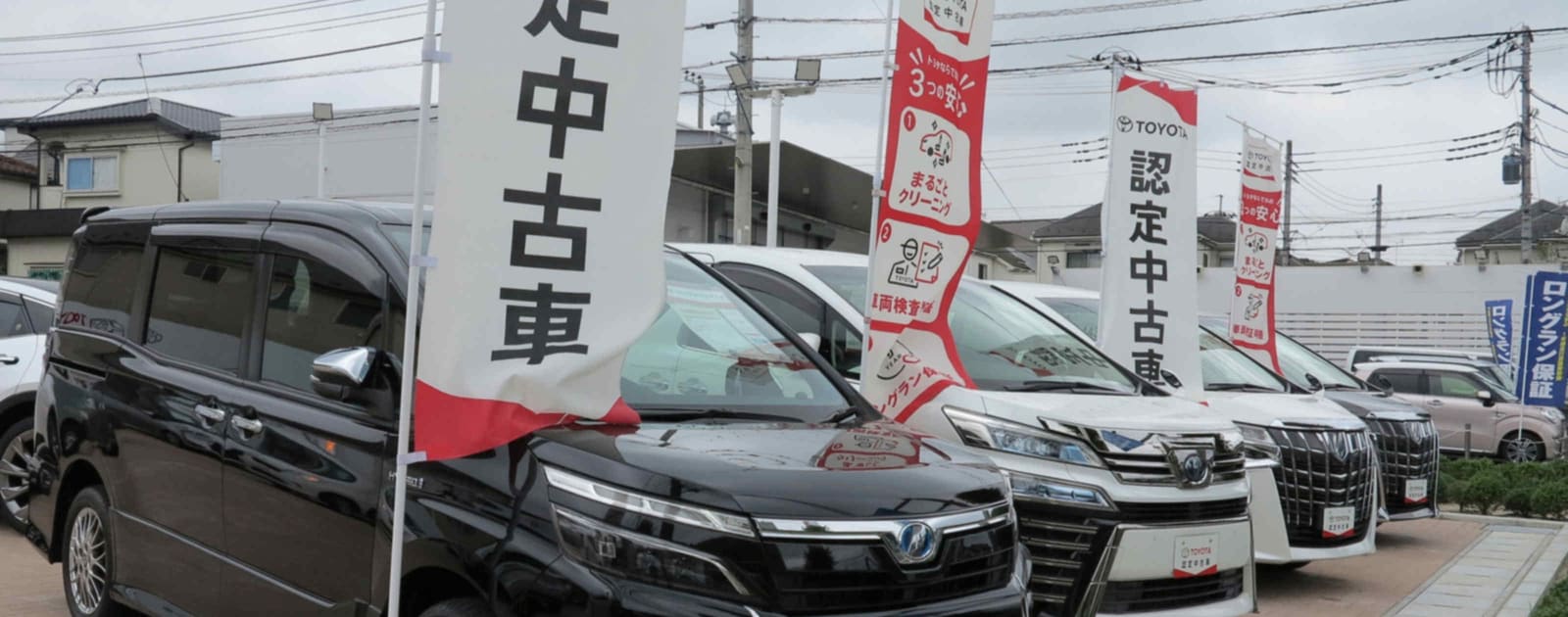
Toyota Motor has rolled out a program allowing customers who purchase pre-owned vehicles to equip them with contemporary safety technologies, including driver assistance systems and anti-theft devices. The initiative targets both revenue diversification and higher sales volume across the automaker's dealership network in Japan.
The retrofit option addresses a persistent challenge in the used-car market: older vehicles that lack the collision-avoidance sensors, lane-keeping aids, and security features now standard in new models. By offering these upgrades at the point of sale, Toyota is positioning its certified pre-owned inventory as a safer alternative to unmodified secondhand cars.
Scale and Ambition
Toyota dealerships currently move approximately 350,000 used vehicles each year, according to company figures. The automaker has set a target of 550,000 units annually by 2030, a 57 percent increase that would require both broader inventory and stronger value propositions to buyers weighing new versus used purchases.
The retrofit program serves both goals. It differentiates Toyota's used offerings in a crowded market and creates an ancillary service revenue stream tied to each transaction. Installation of safety packages happens at dealership service bays, keeping the work and margin within the Toyota ecosystem.
What Gets Installed
Available upgrades span driver assistance technologies that have become widespread in vehicles manufactured after 2020. These include forward-collision warning, automatic emergency braking, blind-spot monitoring, and adaptive cruise control, depending on the compatibility of the host vehicle's electrical architecture.
Anti-theft systems represent another category: immobilizers, alarm packages, and GPS tracking modules that insurers increasingly favor. The modular approach lets buyers select features based on budget and intended use, rather than requiring a single bundled package.
Market Context
Japan's automotive market has seen steady growth in certified pre-owned sales as vehicle prices climb and buyers extend ownership cycles. The average age of cars on Japanese roads has risen, creating a larger pool of older vehicles that remain mechanically sound but trail current safety standards.
Toyota's move also reflects competitive pressure from rivals offering similar upgrade paths. By formalizing the retrofit option and promoting it across its dealer network, the company aims to capture demand that might otherwise flow to independent aftermarket installers or competing brands with newer used inventory.
The 2030 sales target aligns with broader industry expectations that used vehicles will account for a growing share of total transactions as electrification and software-defined features make new cars more expensive. Offering retrofit safety tech helps Toyota maintain margins on older stock while meeting buyer expectations shaped by newer models.
Revenue and Retention
Beyond the immediate sale, the retrofit program ties customers into Toyota's service network for installation, calibration, and future maintenance of the added systems. That recurring relationship matters as automakers shift focus from one-time vehicle sales to longer-term service and software revenue.
The program also supports residual values for Toyota vehicles. A used car that can be easily upgraded with modern safety features holds appeal longer in the secondary market, benefiting original owners at trade-in and supporting lease residuals.
For dealerships, the initiative provides a tangible upsell opportunity at a time when inventory constraints and margin pressure have squeezed profitability. Installing a safety package generates service revenue and differentiates the dealership's offering from private sellers and online used-car platforms.
RELATED STORIES
China Imposes Anti-Dumping Measures on Japanese Semiconductor Chemical Imports
Jun-ho Seo · 3 min

Berkshire Hathaway Eyes Larger Stakes in Japan's Top Trading Houses
Cheng Wei-Lun · 3 min

Japan's August Exports Rise 19.3% on Semiconductor Demand
Aiko Nakamura · 3 min
Malaysia's Rare Earth Deposits Draw Foreign Interest Ahead of China Export Controls
Priyanka V. Rao · 3 min
Spot something wrong? Email editor@briefasia.com. We log every correction publicly.