Finance · Deals
Toyota Announces ¥1 Trillion Buyback as Weak Yen and Hybrid Demand Lift Earnings
Japan's largest automaker raises its profit forecast while returning record cash to shareholders amid currency tailwinds and sustained US appetite for fuel-efficient vehicles
KEY TAKEAWAYS
- ·Toyota announced a ¥1 trillion share buyback program and raised its full-year profit outlook, reflecting strong operational performance.
- ·The automaker benefits from sustained US demand for hybrid vehicles and a weak yen that inflates dollar-denominated earnings.
- ·The capital return program highlights Toyota's financial strength while competitors face margin pressure from costly EV transitions.
Capital Return at Scale
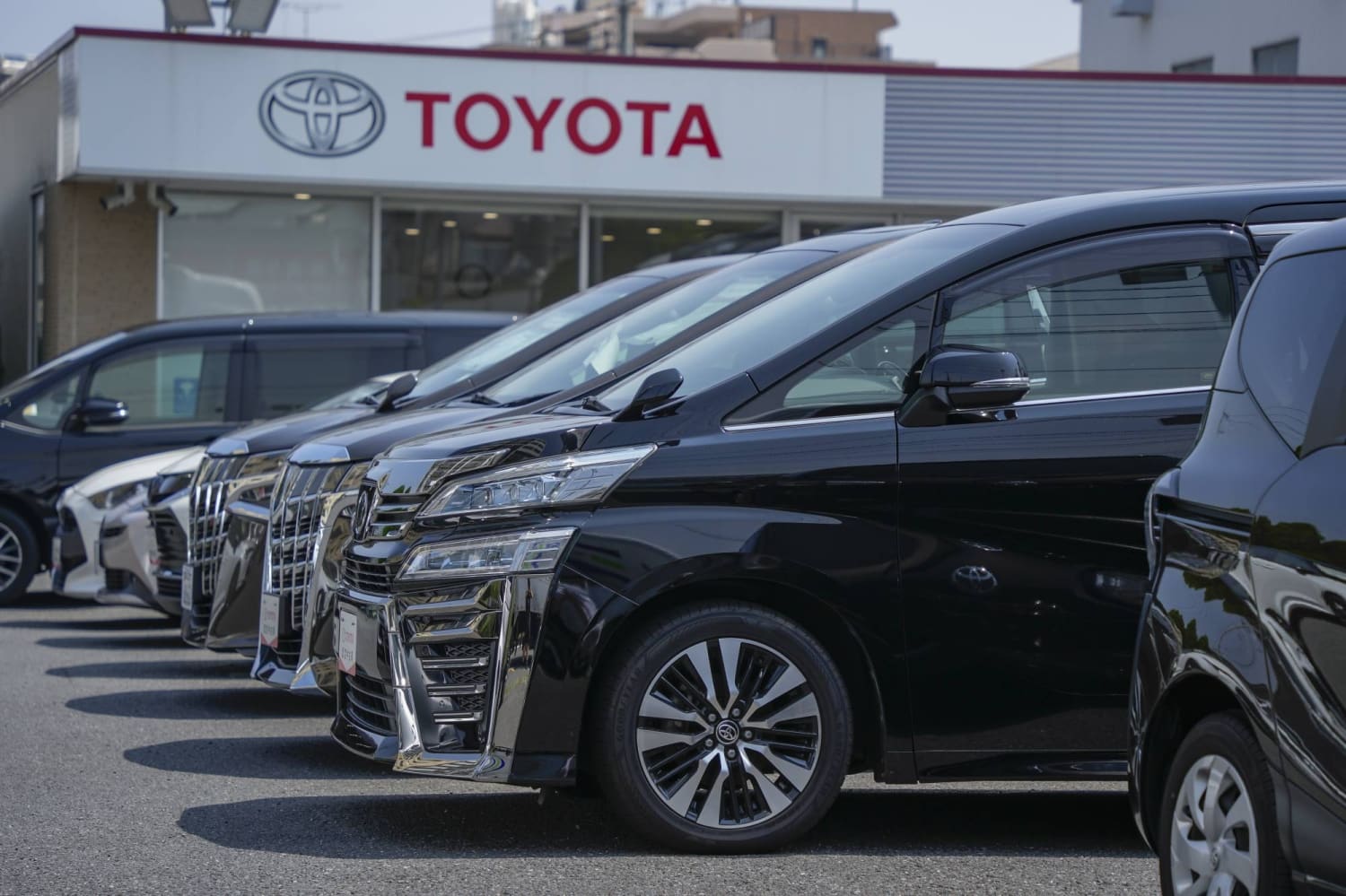
Toyota announced a ¥1 trillion share buyback program alongside an improved profit forecast, reflecting management confidence in sustained earnings momentum. The repurchase represents one of the largest capital return initiatives in Japan's automotive sector and signals the company's intent to deploy cash reserves amid favorable market conditions.
The automaker simultaneously raised its full-year profit outlook, according to Toyota, driven by operational performance that has exceeded earlier internal projections. The dual announcement underscores a financial position strengthened by two converging forces: persistent US consumer preference for hybrid powertrains and exchange rate dynamics that have favored Japanese exporters for nearly two years.
Hybrid Strategy Pays Dividends
Toyota's hybrid lineup has captured market share in the United States as buyers navigate an uncertain transition to battery-electric vehicles. While competitors invested heavily in all-electric platforms, the company maintained its focus on gas-electric technology, betting that range anxiety and charging infrastructure gaps would keep hybrids relevant longer than many analysts predicted.
That calculus has proven correct. US hybrid sales have climbed steadily even as pure EV adoption rates plateau, giving Toyota a structural advantage in a segment it pioneered decades ago. Models like the RAV4 Hybrid and Camry Hybrid continue to command waitlists at dealerships, and the company has expanded production capacity to meet demand that shows little sign of cooling.
The hybrid portfolio generates higher transaction prices and margins than conventional gasoline models, contributing directly to operating profit. As regulatory pressure mounts for lower fleet emissions, hybrids offer automakers a compliance pathway that remains profitable, unlike many EV programs that continue to burn cash.
Currency Winds at the Back
The weak yen has provided a second tailwind. Toyota earns a significant portion of revenue in US dollars, and the exchange rate environment has inflated yen-denominated earnings when those dollars are repatriated. While currency effects are transient and can reverse, the current level has persisted long enough to materially improve reported results.
Japanese manufacturers have historically benefited from yen weakness, which makes their exports more competitive on price while boosting translated earnings. For Toyota, the effect has been magnified by high US sales volumes. The company has been careful not to attribute all profit growth to currency alone, but the exchange rate has undeniably cushioned margins during a period of elevated input costs.
Management has used the windfall to accelerate shareholder returns rather than banking the gains or increasing capital expenditure aggressively. The ¥1 trillion buyback follows earlier dividend increases, reflecting a capital allocation strategy that prioritizes cash return when organic growth opportunities appear limited.
Regional Implications
Toyota's performance carries weight across Asia's industrial supply chain. The automaker sources components from hundreds of suppliers in Japan, Thailand, Indonesia, and other regional manufacturing hubs. Sustained production volumes support employment and capital investment across these networks.
The company's ability to generate cash while legacy competitors struggle with EV transitions also highlights divergent strategic paths. Where Western automakers face margin pressure from electric vehicle losses, Toyota's hybrid-first approach has preserved profitability. That financial cushion affords the company time to refine its battery-electric technology without the urgency that rivals face.
For investors watching Asia's automotive sector, Toyota's results underscore the enduring relevance of hybrid technology in markets where charging infrastructure lags and consumers prioritize practicality over zero-emission mandates. The buyback program, meanwhile, sets a benchmark for shareholder return expectations among Japan's cash-rich manufacturers.
The profit outlook upgrade and capital return together paint a picture of a company in a rare position of strength, able to invest in future platforms while rewarding shareholders. Whether that position endures will depend on how long US hybrid demand persists and whether the yen remains weak, two variables outside management's control but currently aligned in Toyota's favor.
RELATED STORIES

Bank of Japan Prepares Third Rate Increase in Ten Months
Aiko Nakamura · 3 min
Malaysian Ringgit Gains Ground as Markets Anticipate Fed and BOJ Rate Moves
Tran Quoc Bao · 2 min
Yen Climbs to Eight-Month High as Rate Hike Expectations Shift Sentiment
Jun-ho Seo · 3 min

Japan Wage Growth Hits 29-Year High, Reinforcing Central Bank Rate Path
Aiko Nakamura · 3 min
Spot something wrong? Email editor@briefasia.com. We log every correction publicly.