Asia · Trending
Tokyo's Nightlife Returns to Cash After Payment Processor Collapse
Zentoshin's failure has forced bars and clubs in Kabukicho to abandon digital payments, exposing fragility in Japan's evolving cashless infrastructure
KEY TAKEAWAYS
- ·Zentoshin's failure has forced dozens of bars and clubs in Tokyo's Kabukicho district to abandon card payments and return to cash-only operations.
- ·Venue operators report 20 to 30 percent drops in weekday traffic as cash-only policies deter younger patrons accustomed to digital wallets.
- ·Japan's Financial Services Agency will review licensing requirements for payment processors serving high-risk industries to prevent future disruptions.
The Sudden Shift
Bars and nightclubs in Kabukicho, Tokyo's sprawling entertainment district, have reverted to cash-only operations following the collapse of Zentoshin, a credit card processing company that served dozens of establishments in the area. The abrupt failure has left venue operators scrambling to install ATMs and post handwritten signs notifying patrons of the change.
The disruption comes at a critical moment for Japan's hospitality sector, which had been steadily moving away from cash transactions. Kabukicho, known for its dense concentration of hostess clubs, izakayas, and late-night bars, had become a testing ground for cashless payment adoption among small businesses. That progress has now stalled as proprietors confront the operational reality of processing failure.
Payment Infrastructure Under Strain
Zentoshin's collapse exposes the concentration risk in Japan's credit processing market, where a handful of mid-tier providers serve specific industry verticals. The company had positioned itself as a specialist in hospitality and nightlife, offering tailored payment terminals and billing systems for establishments that often operate on thin margins and irregular hours.
Without access to card processing, many Kabukicho venues face immediate revenue pressure. Cash-only policies deter younger patrons accustomed to digital wallets and contactless payments. Several bar owners report a 20 to 30 percent drop in weekday traffic since the processor went offline, though weekend crowds have remained relatively stable.
The failure also complicates compliance and accounting. Digital payment records provided an audit trail that simplified tax reporting and helped operators track sales patterns. Returning to cash ledgers increases administrative burden and raises questions about transparency in a district that has historically faced scrutiny over financial practices.
Industry Response and Alternatives
Merchant associations in Kabukicho are now negotiating group contracts with alternative processors, including larger players such as GMO Payment Gateway and SoftBank Payment Service. However, onboarding new terminals and integrating point-of-sale systems can take weeks, leaving many establishments in limbo.
Some operators have turned to QR-code payment apps like PayPay and LINE Pay as stopgap measures, but adoption varies. Older clientele, still a significant demographic in Kabukicho's traditional hostess clubs, often prefer cash or credit cards over smartphone-based systems. This generational split complicates the transition and forces venue managers to support multiple payment methods simultaneously.
Financial regulators have taken note. Japan's Financial Services Agency announced it will review licensing requirements for payment processors serving high-risk industries, including nightlife and adult entertainment. The agency is particularly concerned about operational continuity and whether smaller processors maintain adequate reserves to handle settlement delays or insolvency.
Broader Implications for Cashless Adoption
The Zentoshin episode underscores a tension in Japan's cashless push. While the government has championed digital payments to boost productivity and reduce the costs of cash handling, the transition depends on reliable infrastructure. Single points of failure, especially among niche processors, can reverse years of adoption in a matter of days.
Kabukicho's experience may also influence policy discussions around payment system resilience. Regulators are weighing whether to mandate backup processing arrangements or require interoperability standards that would allow merchants to switch providers without downtime. Such measures could increase costs for processors but would mitigate systemic risk.
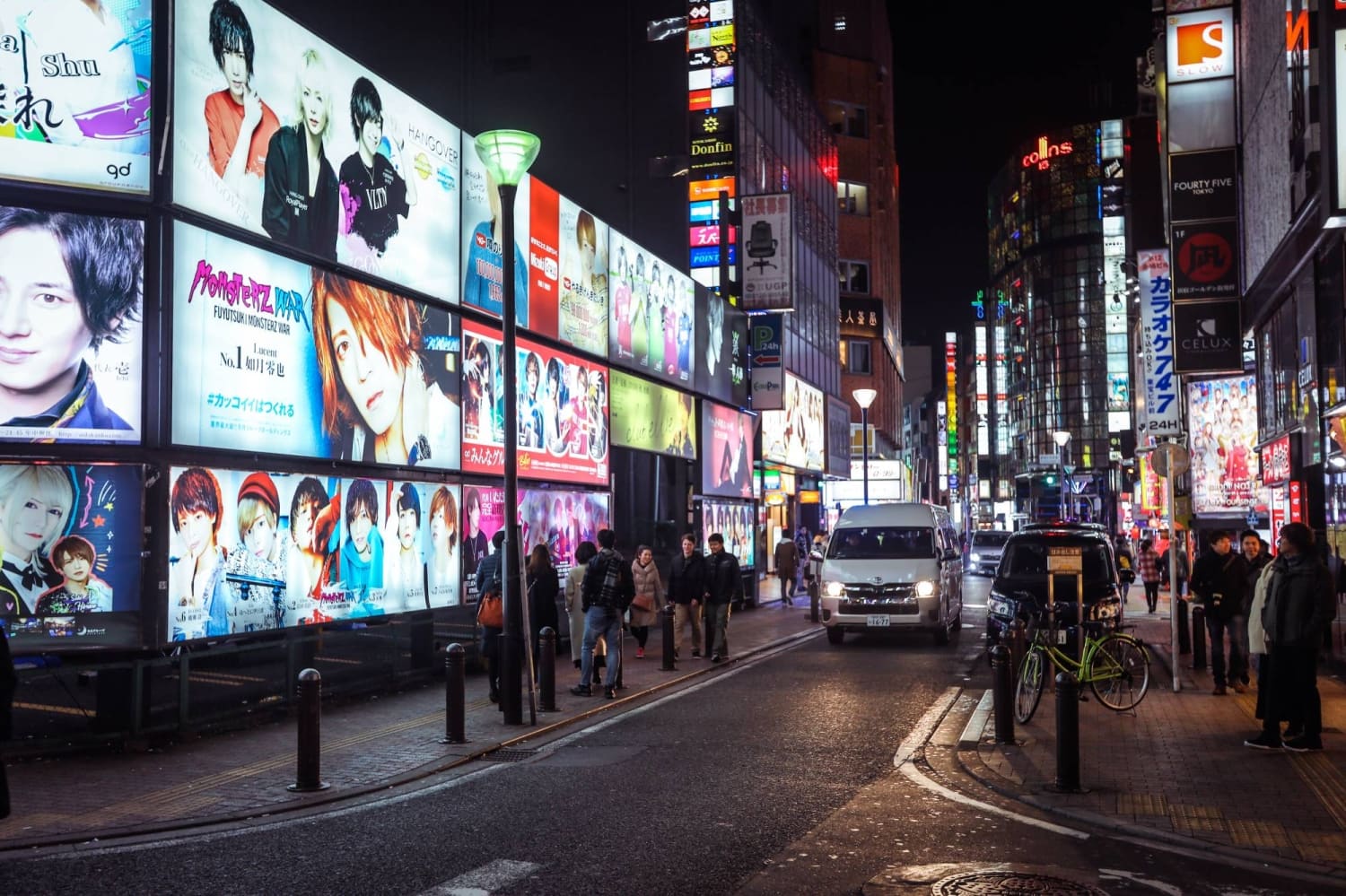
For now, cash is flowing again through Kabukicho's narrow alleys and neon-lit storefronts. The district's return to physical currency is a reminder that digital payments, however convenient, rest on a foundation that remains fragile in certain corners of Asia's most advanced economies.
RELATED STORIES

Berkshire Hathaway Eyes Larger Stakes in Japan's Top Trading Houses
Cheng Wei-Lun · 3 min

Malaysia's Rare Earth Deposits Draw Foreign Interest Ahead of China Export Controls
Priyanka V. Rao · 3 min

Honda Demands 30% Price Cuts From Suppliers in $9.4 Billion Cost Plan
Cheng Wei-Lun · 3 min

Mitsubishi Motors Brings Back Pajero SUV With Thailand Launch
Cheng Wei-Lun · 3 min
Spot something wrong? Email editor@briefasia.com. We log every correction publicly.