Asia · Politics
Tokyo Core Inflation Climbs to 1.9% in July Amid Middle East Pressures
Factory output gains and persistent price pressures keep the Bank of Japan on alert, even as inflation remains shy of the 2% target for the sixth consecutive month.
KEY TAKEAWAYS
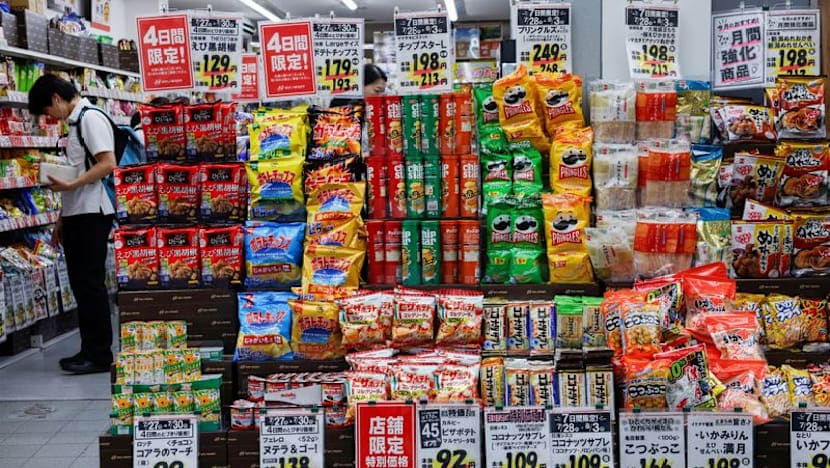
- ·Tokyo's core consumer price index rose 1.9% in July, exceeding the 1.7% market forecast, driven by higher food and daily necessities costs.
- ·Factory output increased in June with manufacturers projecting further gains, signaling the economy is absorbing oil price shocks and Middle East supply disruptions.
- ·Service-sector inflation remained flat at 1.1%, indicating firms are hesitant to pass rising labour costs to consumers despite broader price pressures.
Price Pressures Build in Japan's Capital
Japan's capital recorded a pickup in core inflation during July, with the Tokyo core consumer price index climbing 1.9% on an annual basis, official data released Friday showed. The increase outpaced market expectations of 1.7% and marked an acceleration from June's 1.6% reading.
The Tokyo CPI, which strips out volatile fresh food prices, serves as an early indicator for nationwide inflation trends. Despite the uptick, the measure has now remained below the Bank of Japan's 2% target for six straight months, underscoring the uneven nature of price gains across the economy.
Food and daily necessities continued to drive the headline number higher, according to government data. An alternative gauge that excludes both fresh food and energy costs rose 2.0% in July, edging up from a 1.9% increase the previous month. The BOJ monitors this metric closely as a clearer signal of underlying inflation dynamics.
Factory Activity Points to Economic Stamina
Separate industrial production figures painted a picture of resilience. Factory output expanded in June, and manufacturers surveyed by the government projected further increases through July and August. The data suggests that Japan's economy is absorbing the twin shocks of elevated oil prices and supply chain disruptions stemming from conflict in the Middle East.
The production rebound comes as Japanese manufacturers navigate a challenging external environment. Higher energy costs have squeezed margins, yet order books appear robust enough to sustain output gains in the near term.
Service Sector Lags on Cost Pass-Through
Service-sector inflation held steady at 1.1% in July, unchanged from the prior month. The stagnation highlights a persistent gap in pricing power between goods producers and service providers. While manufacturers have raised prices in response to higher raw material costs, many service businesses remain hesitant to pass along rising labour expenses to customers.
This divergence matters for monetary policy. Wage growth has been a key focus for the BOJ, which has argued that sustained inflation requires companies to absorb higher labour costs and reflect them in consumer prices. The sluggish service-sector inflation suggests that transmission mechanism remains incomplete.
Central Bank Holds Pattern After June Hike
The Bank of Japan raised its policy rate to 1% in June, the highest level in 31 years, responding to mounting inflationary pressure linked to the Middle East conflict and a weakened yen. Market participants widely expect the central bank to leave rates unchanged at its policy meeting Friday, giving policymakers time to assess the economy's trajectory.
The yen's depreciation earlier this year amplified import costs, particularly for energy and raw materials. While the currency has stabilized somewhat in recent weeks, the BOJ remains attentive to exchange-rate effects on inflation and household purchasing power.
July's inflation print keeps the door open for additional tightening later this year, though officials are likely to wait for more comprehensive data before committing to another move. The central bank's cautious stance reflects uncertainty about how long geopolitical tensions will sustain upward price pressure and whether domestic demand can support higher interest rates.
Regional Implications
Tokyo's inflation trajectory carries significance beyond Japan's borders. As the world's third-largest economy, Japan's monetary policy decisions influence capital flows and bond yields across Asia. A sustained tightening cycle would mark a historic shift after decades of near-zero rates and could prompt portfolio reallocation by regional investors.
For now, the BOJ is threading a narrow path between supporting growth and preventing inflation from overshooting. July's data suggests that balance remains delicate, with price pressures broadening but not yet entrenched across all sectors of the economy.
RELATED STORIES

Japan's Central Bank and Markets Diverge on Rate Hike Trajectory
Aiko Nakamura · 3 min

Bank of Japan Prepares Third Rate Increase in Ten Months
Aiko Nakamura · 3 min
Bank of Japan to Continue Rate Increases to Anchor Inflation at 2 Per Cent
Aiko Nakamura · 3 min
Yen Climbs to Eight-Month High as Rate Hike Expectations Shift Sentiment
Jun-ho Seo · 3 min
Spot something wrong? Email editor@briefasia.com. We log every correction publicly.