Asia · Business
Thailand Targets Korean Capital for Biotech and Healthcare Push
Bangkok pitches joint ventures in medical devices, vaccines, and wellness industries as it shifts from agriculture to high-value sectors
KEY TAKEAWAYS
- ·Thailand's deputy prime minister is seeking Korean investment in biotechnology, medical devices, vaccine development, and wellness sectors as part of a strategic shift from agriculture to high-value industries.
- ·The government is offering joint incubation programs, business matching, and investment incentives through the Eastern Economic Corridor special economic zone to attract Korean firms with proven capabilities in biopharmaceuticals and medical manufacturing.
- ·Success depends on Thailand's ability to provide regulatory infrastructure, skilled workforce, and intellectual property protections that life sciences companies require, with outcomes expected within 12 to 18 months.
Bangkok's Strategic Pivot
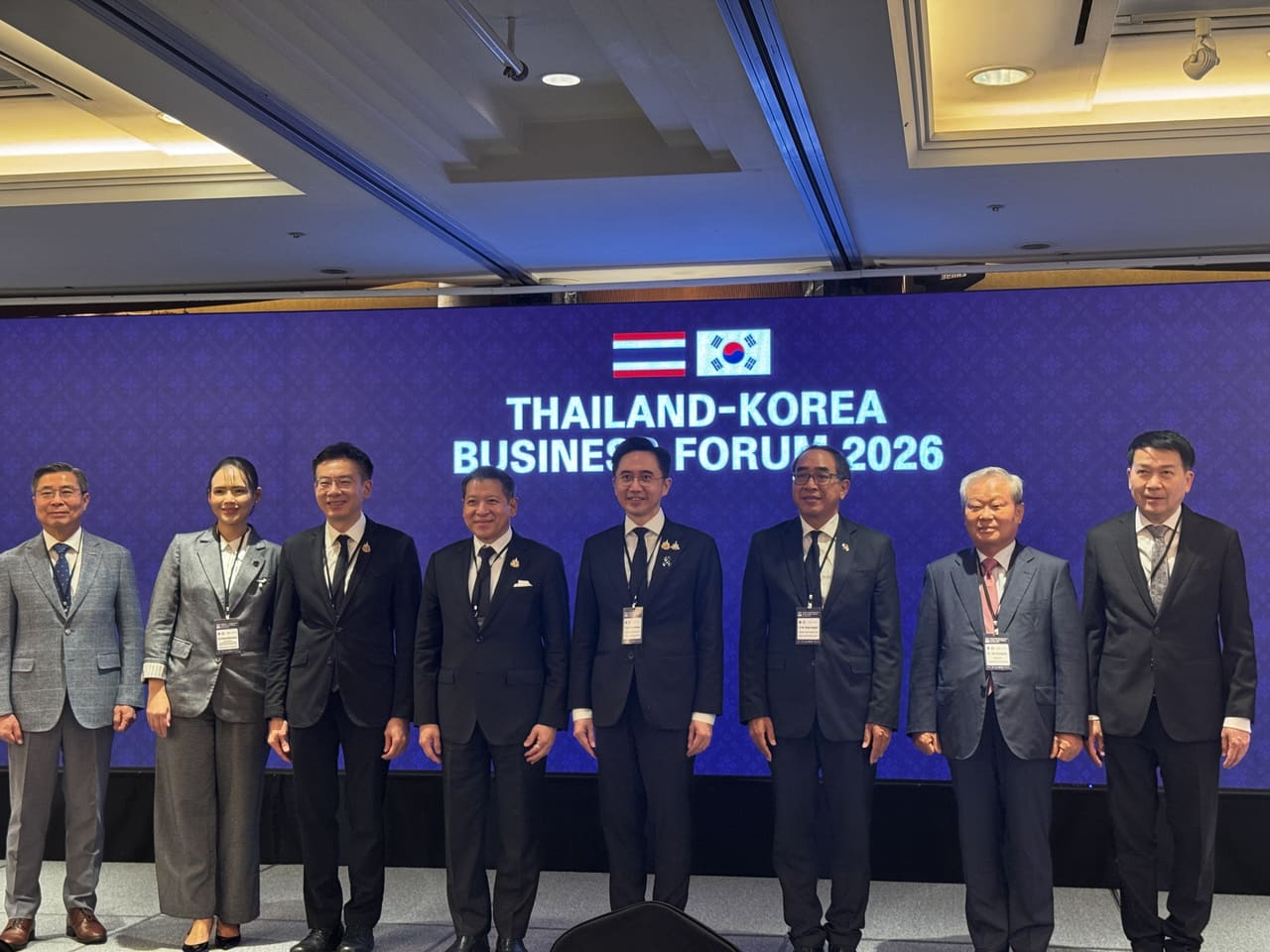
Thailand is actively seeking Korean investment to build out its biotechnology and healthcare sectors, signaling a deliberate move away from its traditional agricultural base toward industries with higher margins and greater technological complexity.
The country's deputy prime minister outlined the government's priorities on Wednesday, highlighting medical devices, vaccine production, and wellness industries as key areas for collaboration. The pitch comes as Thailand positions itself as a regional hub for life sciences and advanced manufacturing, competing with Singapore, Malaysia, and Vietnam for foreign direct investment in these segments.
"We seek to support Thailand's partners through joint incubation programs, joint investment and business matching in areas such as medical devices, the medical industry and vaccine development," the deputy prime minister said, according to official remarks.
Why Korean Partners Matter
South Korea brings specific advantages that align with Thailand's ambitions. Korean firms have demonstrated strength in biopharmaceuticals, medical device manufacturing, and digital health platforms. Companies such as Samsung Biologics, Celltrion, and a cluster of mid-sized device makers have scaled operations across Asia, making them natural partners for a country building industrial capacity from a relatively modest base.
Thailand's government has been preparing the ground for years. The country established the Eastern Economic Corridor, a special economic zone spanning three provinces near Bangkok, with tax incentives and streamlined approvals for targeted industries. Biotech and medical manufacturing are among the designated sectors, alongside robotics and aviation.
The timing reflects broader regional dynamics. Southeast Asian governments are racing to capture investment as global supply chains diversify away from China. Thailand, with its existing automotive and electronics clusters, sees life sciences as a logical next step. The country already hosts operations from multinational pharmaceutical companies, but most focus on distribution rather than research or manufacturing.
Building the Ecosystem
Thailand's strategy involves more than attracting capital. The government is emphasizing joint incubation programs and business matching, suggesting a focus on technology transfer and local capability building. This approach mirrors policies in Singapore and Taiwan, where governments acted as connectors between foreign investors and domestic startups or research institutions.
The emphasis on vaccine development is notable. Thailand emerged from the COVID-19 pandemic with a renewed focus on domestic vaccine production capacity, having relied heavily on imports during the crisis. The government has since committed funding to vaccine research and manufacturing infrastructure, viewing it as both an economic opportunity and a matter of national security.
Medical devices represent another priority. The sector in Thailand remains underdeveloped compared to regional peers, with most devices imported. Korean manufacturers, facing rising labor costs at home and seeking to diversify production footprints, could find Thailand an attractive base for serving Southeast Asian markets.
What Comes Next
The success of Thailand's pitch will depend on execution. The country must demonstrate that it can provide the regulatory environment, skilled workforce, and supply chain infrastructure that biotech and healthcare companies require. These industries demand stringent quality controls, intellectual property protections, and access to clinical trial networks, none of which can be established overnight.
Thailand's universities and research institutions will play a critical role. The government has increased funding for science and technology programs, but the country still lags behind South Korea, Singapore, and Taiwan in research output and patent filings. Building credible partnerships with Korean institutions could help close that gap.
For Korean investors, Thailand offers a large domestic market, a central location in Southeast Asia, and a government willing to negotiate terms. Whether that translates into meaningful capital flows will become clear over the next 12 to 18 months, as specific projects move from memorandums of understanding to groundbreaking ceremonies.
RELATED STORIES

Mitsubishi Motors Brings Back Pajero SUV With Thailand Launch
Cheng Wei-Lun · 3 min

Thailand's Telecom Regulator Faces Paralysis as Board Crisis Deepens
Priyanka V. Rao · 3 min
WeRide Eyes Regional Push Across Australia and Asia-Pacific Markets
Cheng Wei-Lun · 2 min

Thailand and New Zealand Set $8 Billion Trade Target Under New Partnership
Priyanka V. Rao · 3 min
Spot something wrong? Email editor@briefasia.com. We log every correction publicly.