Asia · Business
Thailand Slashes Diesel Refinery Margins to Cap Pump Prices Amid Red Sea Disruption
Government taps 3.89 billion baht in refinery profits to absorb global crude surge triggered by Saudi tanker attacks
KEY TAKEAWAYS
- ·Thai authorities cut diesel ex-refinery prices by 2.40 baht per litre using 3.89 billion baht from refiner profits, effective through August 15, to prevent pump price increases.
- ·Brent crude surpassed $100 per barrel for the first time in two months following Houthi attacks on Saudi tankers in the Red Sea, pushing Singapore diesel to $167.62 per barrel.
- ·Thailand's Oil Fuel Fund now carries a 62 billion baht deficit from ongoing subsidies, while the margin cut is expected to reduce refiner gross margins by $5 to $6 per barrel.
Refinery Margin Cut Targets Transport Costs
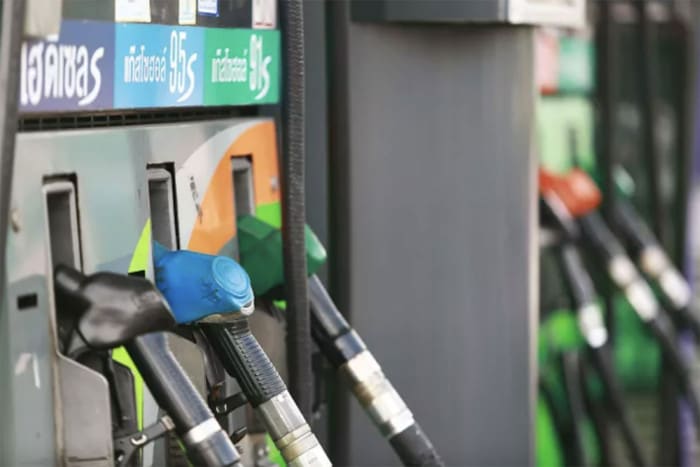
Thai energy regulators have authorized a 2.40 baht per litre reduction in diesel ex-refinery prices, deploying 3.89 billion baht from six domestic refiners' profits to cushion the impact of surging global crude markets. The Energy Policy Administration Committee, led by Energy Minister Akanat Promphan, approved the measure through August 15 following Brent crude's climb above $100 per barrel on Thursday, the first breach of that threshold in two months.
The move comes as Houthi forces in Yemen attacked two Saudi oil tankers in the Red Sea, intensifying regional tensions tied to the US-Israel-Iran standoff. Authorities clarified the ex-refinery price cut will not translate to immediate relief at the pump but is intended to prevent or slow further increases in retail diesel, a fuel critical to Thailand's transport and logistics sectors.
Regional Benchmark Prices Surge
Singapore reference prices, the bellwether for Southeast Asian fuel markets, jumped sharply this week. Diesel reached $167.62 per barrel while gasoline hit $128.33 on Thursday, according to the Fuel Fund Executive Committee. Thai retailers responded by raising diesel and gasoline pump prices by 0.90 baht per litre on the same day. Diesel now sells for 36.69 baht per litre, while gasohol 91, a blend of gasoline with 10 percent ethanol, stands at 36.32 baht.
The Red Sea blockade has disrupted shipping lanes and amplified volatility in regional fuel pricing. Middle East conflicts have historically exerted pressure on Asian importers, and Thailand's refiners are navigating a period of elevated gross refining margins. The GRM for Thai operators averaged between $6 and $8 per barrel in the first quarter of this year before climbing to around $20 in the second quarter, reflecting tighter global supply and heightened geopolitical risk.
Fuel Fund Deficit Deepens
Thailand's Oil Fuel Fund, a state mechanism designed to buffer domestic consumers from crude price swings, is now 62 billion baht in deficit from ongoing subsidy operations. The fund absorbs the gap between global market prices and the retail rates Thai consumers pay, a policy tool that has grown increasingly strained as crude volatility persists.
The 2.40 baht per litre margin reduction is projected to lower the GRM for Thai refiners by $5 to $6 per barrel. The Fuel Fund Executive Committee noted that tapping refinery profits offers a temporary avenue to stabilize diesel costs without deepening the fund's deficit further, though the sustainability of such interventions depends on how long elevated crude prices persist.
What It Means for Operators
Diesel accounts for a substantial share of fuel consumption in Thailand, powering commercial vehicles, freight haulers, and agricultural machinery. Even modest price increases ripple through supply chains, affecting everything from food distribution to construction costs. By capping refinery margins rather than expanding direct subsidies, the government aims to share the adjustment burden with refiners while preserving some fiscal headroom.
Industry watchers note that the August 15 expiration date for the margin cut leaves open the question of what happens if crude remains above $100 or if regional tensions escalate further. The measure buys time but does not resolve the structural challenge posed by Thailand's dependence on imported crude and its limited tools for managing price shocks in a globally integrated energy market.
The current episode underscores the vulnerability of Southeast Asian fuel importers to supply disruptions far beyond their borders. With Middle East instability showing few signs of abating and shipping chokepoints like the Red Sea remaining contested, Thailand's energy policy apparatus faces sustained pressure to balance consumer protection, fiscal prudence, and the commercial viability of its refining sector.
RELATED STORIES

Energy Infrastructure Deals Climb in Southeast Asia Amid AI Demand and Security Concerns
Cheng Wei-Lun · 4 min

Mitsubishi Motors Brings Back Pajero SUV With Thailand Launch
Cheng Wei-Lun · 3 min
Southeast Asian Factories Adopt Proximity Planning to Retain Workers and Investors
Lim Hui Ying · 3 min

Mitsubishi Motors Shifts Strategy to US and Australia Markets
Aiko Nakamura · 3 min
Spot something wrong? Email editor@briefasia.com. We log every correction publicly.