Asia · Trending
Thai Airlines Face Growing Threat as Gangs Target Crew for Drug Smuggling
Criminal networks exploit social media platforms to recruit cabin crew and ground staff as international drug couriers, authorities say
KEY TAKEAWAYS
- ·Drug trafficking networks recruit Thai airline crew through social media, offering 50,000 to 200,000 baht per smuggling trip on international routes.
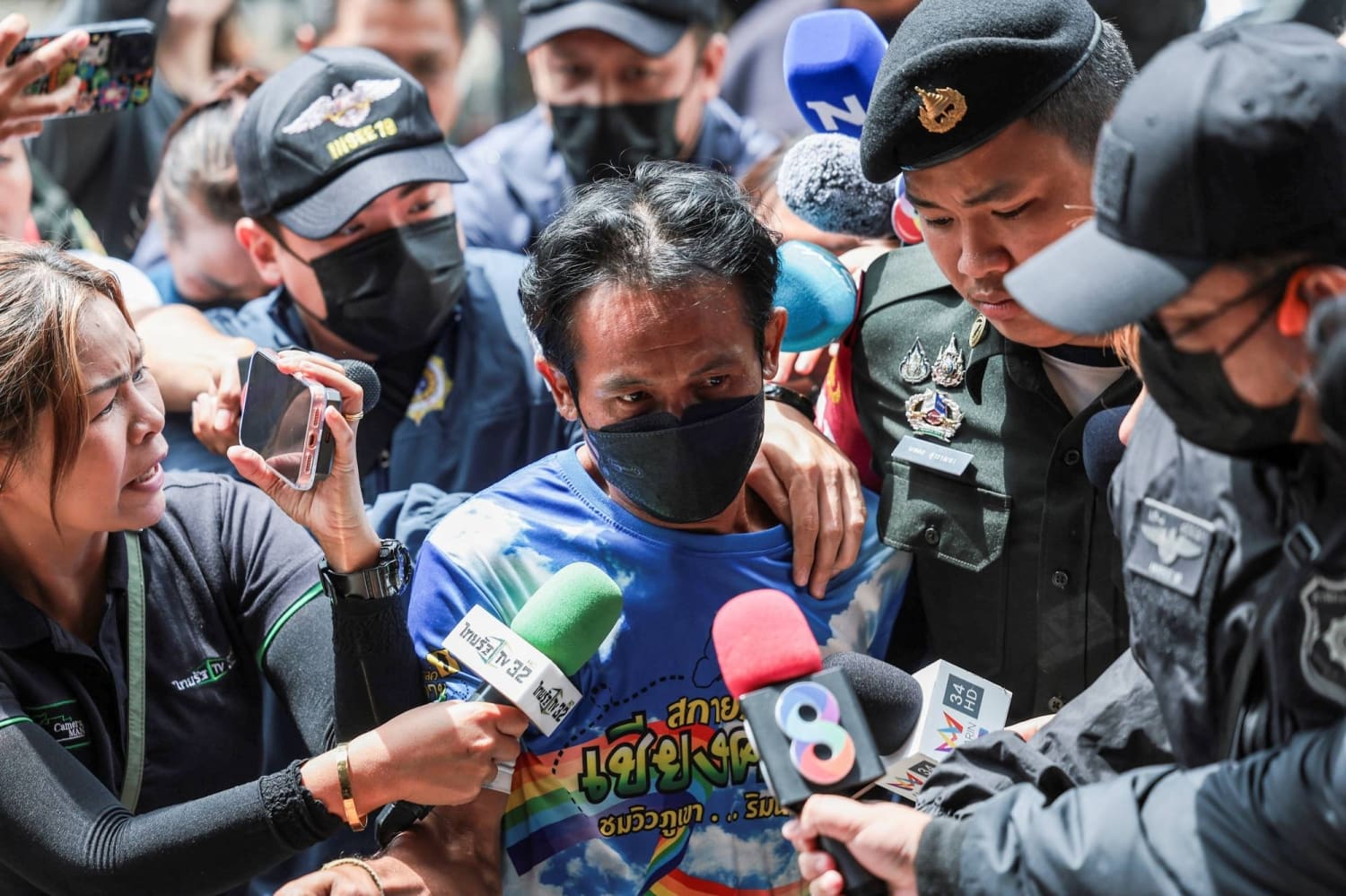
- ·A Thai man and Laotian woman were arrested Friday for coordinating narcotics shipments from border provinces to Bangkok for aviation distribution.
- ·Traffickers exploit financial stress among airline staff, using encrypted apps and vague job offers to bypass security and move Golden Triangle drugs to high-value markets.
The New Recruitment Ground
Drug trafficking organizations operating across Southeast Asia have shifted their recruitment strategies to social media, targeting Thai airline employees with financial incentives to smuggle narcotics on international flights. The Office of the Narcotics Control Board in Bangkok has documented a pattern of approaches through platforms like Facebook, Instagram, and encrypted messaging apps, where recruiters pose as legitimate business contacts or offer lucrative side income opportunities.
The arrests on Friday of a Thai national and his Laotian wife, suspected of coordinating drug shipments from border provinces to Bangkok, highlight the expanding networks that connect production zones in the Golden Triangle with distribution channels through Thailand's aviation hubs. Officials intercepted parcels containing methamphetamine and heroin destined for onward transport, part of a supply chain that relies on airline staff to bypass security checkpoints.
Why Airlines Are Targets
Cabin crew, ground handlers, and maintenance staff possess what traffickers value most: routine access to aircraft, familiarity with airport security procedures, and the ability to travel internationally without arousing suspicion. A flight attendant on a Bangkok-Tokyo route can carry parcels worth several hundred thousand dollars in street value, far exceeding their monthly salary. Traffickers typically offer between 50,000 and 200,000 baht per trip, a sum that represents three to twelve months of income for junior crew members.
The recruitment pitch often begins with innocuous-sounding propositions. Messages frame the work as "document delivery" or "sample transport for a business partner," deliberately vague to avoid immediate alarm. Only after establishing trust do recruiters reveal the true nature of the cargo. By that point, financial need or accumulated debt has already made the proposition harder to refuse.
Border Provinces as Supply Nodes
Thailand's northern and northeastern provinces, which border Laos and Myanmar, serve as key transit points for narcotics produced in the Golden Triangle. The region remains one of the world's largest sources of methamphetamine and heroin, with production facilities hidden in remote areas beyond effective government control. From these zones, drugs move south through a network of couriers, safe houses, and logistics coordinators before reaching Bangkok's airports.
The couple arrested on Friday operated from a border province, receiving shipments and repackaging them for transport to the capital. Thai authorities have intensified monitoring of these corridors, but the volume of legitimate cross-border trade and the porous nature of the frontiers make complete interdiction impossible. Traffickers adapt quickly, shifting routes and methods in response to enforcement pressure.
The Social Media Playbook
Recruiters identify potential targets by scanning public profiles for indicators of financial stress, recent life changes, or expressions of dissatisfaction with current employment. A flight attendant posting about rising living costs or a ground crew member mentioning family medical expenses becomes a candidate for outreach. Initial contact is casual, building rapport over weeks or months before any proposition is made.
Encrypted apps like Telegram and Signal allow recruiters to communicate without leaving traces accessible to law enforcement. Payment is often structured to minimize risk: an upfront deposit, the remainder upon successful delivery, sometimes routed through cryptocurrency to obscure the money trail. If a courier is caught, the network simply moves to the next recruit. The model is designed for disposability.
Enforcement Challenges
Thai aviation authorities and the Narcotics Control Board have increased training for airline staff on recognizing recruitment tactics and reporting suspicious approaches. Airlines have implemented stricter internal audits and random baggage checks for employees, but these measures face practical limits. Unions argue that excessive surveillance erodes trust and working conditions, while management balances security concerns against operational efficiency.
Prosecuting the organizers behind these networks remains difficult. The arrested couriers are typically low-level participants with limited knowledge of the broader operation. The recruiters themselves operate anonymously online, often from outside Thailand's jurisdiction. Even when authorities dismantle one cell, others emerge to fill the gap, drawn by the immense profitability of the trade.
What Comes Next
Thai officials are coordinating with counterparts in Japan, South Korea, Taiwan, and Australia, destinations where trafficked drugs command premium prices. Intelligence sharing has led to several joint operations, but the traffickers' ability to adapt their methods continues to outpace enforcement efforts. The fundamental economics, high demand in destination markets and abundant supply in production zones, ensure that someone will always attempt to bridge the gap.
For Thailand's aviation sector, the challenge is maintaining the integrity of its workforce while addressing the economic pressures that make employees vulnerable to recruitment. Without tackling the underlying financial insecurity, no amount of screening or surveillance will eliminate the risk entirely. The next arrests will come, but so will the next wave of recruits.
RELATED STORIES

Mitsubishi Motors Brings Back Pajero SUV With Thailand Launch
Cheng Wei-Lun · 3 min

Thailand's Telecom Regulator Faces Paralysis as Board Crisis Deepens
Priyanka V. Rao · 3 min
Southeast Asian Factories Adopt Proximity Planning to Retain Workers and Investors
Lim Hui Ying · 3 min

Thailand Urged to Tie EV Investment to Local Supply Chain Development
Priyanka V. Rao · 3 min
Spot something wrong? Email editor@briefasia.com. We log every correction publicly.