Finance · Deals
TCL Technology Moves to Consolidate Display Unit With $1.38 Billion Buyout
Chinese electronics giant to acquire remaining 45% stake in China Star Optoelectronics from three Guangdong state-linked investors
KEY TAKEAWAYS
- ·TCL Technology will pay CNY 9.32 billion for the 45 percent of China Star Optoelectronics it does not own, buying out Hengjian Investment, Science City Investment, and Chengfa Investment.
- ·The transaction uses a mix of new shares and cash to consolidate full control over one of China's major LCD and OLED panel manufacturers.
- ·Regulatory approval and shareholder vote are pending, with completion expected by late 2026 or early 2027.
Full Ownership Push
TCL Technology Group is moving to consolidate full control of China Star Optoelectronics Semiconductor Display Technology (TCL CSOT), its display panel manufacturing arm. The Shenzhen-based conglomerate will pay CNY 9.32 billion (approximately US$1.38 billion) to acquire the 45 percent stake it does not already own, according to a July 2026 draft of the company's share-issue-and-cash asset purchase report.
The transaction brings together three Guangdong provincial government-linked entities as sellers. Hengjian Investment holds the largest portion at 25 percent, followed by Science City Investment with 12.5 percent and Chengfa Investment at 7.5 percent. All three are tied to regional state capital in southern China's manufacturing heartland.
Strategic Rationale
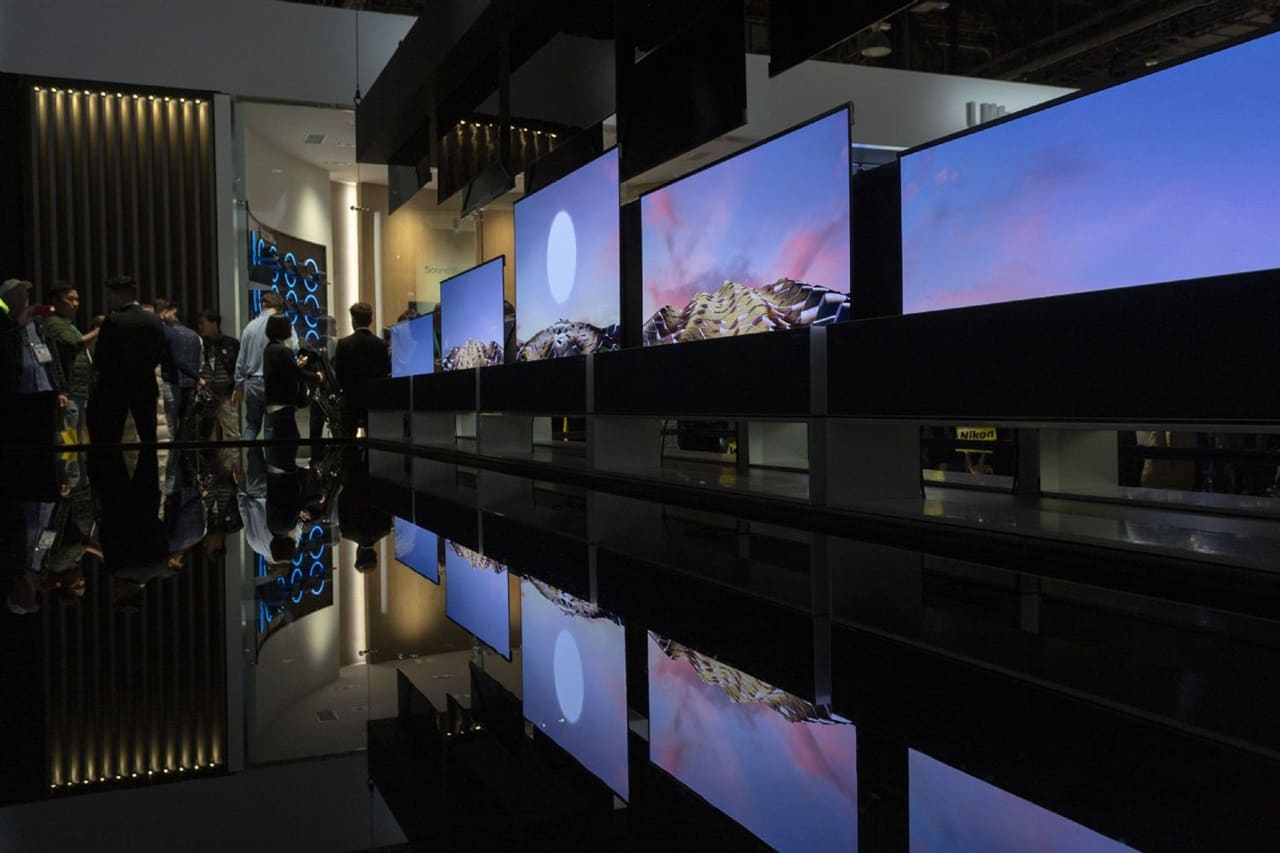
Taking complete ownership of TCL CSOT allows TCL Technology to tighten operational control over one of China's major display panel producers. The subsidiary manufactures LCD and OLED panels for televisions, smartphones, tablets, and other consumer electronics. Full consolidation simplifies decision-making on capital allocation, technology roadmap, and production capacity planning at a time when the global display industry faces intense competition and cyclical demand patterns.
For TCL Technology, the buyout also eliminates minority shareholder considerations when the parent company needs to inject capital or restructure operations. Chinese display makers have been navigating oversupply conditions in certain segments while racing to move up the value chain into advanced OLED and mini-LED technologies. Streamlined ownership can accelerate those strategic shifts without coordination friction.
Financing Structure
The CNY 9.32 billion purchase price will be funded through a combination of new share issuance and cash. The exact split between equity and cash components was outlined in the registration-stage draft, a procedural step that precedes formal regulatory approval and shareholder vote. The structure is common for large Chinese acquisitions where listed companies use equity currency to preserve cash while offering sellers exposure to the combined entity's future performance.
TCL Technology's move mirrors broader trends among Chinese technology conglomerates that initially partnered with state capital to fund capital-intensive ventures and are now buying out public investors as those businesses mature. Display panel manufacturing requires billions in upfront investment for fabrication facilities, making state co-investment a pragmatic entry strategy. As the business stabilizes and generates cash, private operators often seek full control to maximize strategic flexibility.
Regional Context
Guangdong province has been a hub for electronics manufacturing and display production, with provincial and municipal governments actively co-investing in semiconductor and flat-panel projects over the past decade. The three selling entities represent that earlier wave of state participation designed to anchor advanced manufacturing in the Pearl River Delta region.
Their exit at this stage suggests confidence that TCL CSOT has reached operational maturity and that capital can be redeployed into newer strategic priorities. For Guangdong's state investment vehicles, recycling capital from mature display assets into emerging sectors like electric vehicles, robotics, or compound semiconductors aligns with evolving industrial policy priorities across China.
What Comes Next
Completion of the transaction remains subject to regulatory clearance and shareholder approval. Given the involvement of state-linked sellers and the size of the deal, scrutiny from China's securities regulator and antitrust authorities is standard. Assuming approvals proceed smoothly, TCL Technology will hold 100 percent of TCL CSOT by late 2026 or early 2027.
Once the consolidation closes, watch for operational changes. Fully owned subsidiaries often see faster restructuring, more aggressive R&D spending, and bolder geographic expansion moves. TCL CSOT has been investing in higher-margin OLED capacity and exploring opportunities in automotive displays, two areas where unified ownership could accelerate execution.
The deal also carries implications for China's display supply chain consolidation. As smaller players struggle with overcapacity and falling prices, larger firms like TCL, BOE, and Tianma are positioning to capture market share and technology leadership. Full ownership of key production assets becomes a competitive advantage in that race.
RELATED STORIES
FAW Set to Become Second-Largest Shareholder in GAC Group Through Asset Swap
Jun-ho Seo · 3 min
Chinese Yuan Moves from Trade Lanes into Corporate Treasuries Across Southeast Asia
Cheng Wei-Lun · 3 min
China-US Bond Yield Gap Reaches Two-Decade Peak
Cheng Wei-Lun · 3 min
China's Chip Makers Split Three Ways Beneath the Revenue Growth
Tran Quoc Bao · 3 min
Spot something wrong? Email editor@briefasia.com. We log every correction publicly.