Finance · Markets
Chinese Yuan Moves from Trade Lanes into Corporate Treasuries Across Southeast Asia
Multinational firms are embedding renminbi into financing and capital-market strategies as commercial logic overtakes policy incentives
KEY TAKEAWAYS
- ·Multinational corporations in Southeast Asia are integrating the renminbi into treasury operations, debt issuance and liquidity management, moving beyond trade settlement.
- ·Singapore Airlines issued 1.5 billion yuan in five-year bonds in June 2026, diversifying its funding base and signalling broader corporate interest in offshore yuan capital markets.
- ·The renminbi accounted for only 3.1 per cent of global payments in July 2026 despite China representing nearly one-fifth of world trade, highlighting a structural gap between economic weight and currency usage.
From Settlement to Strategy
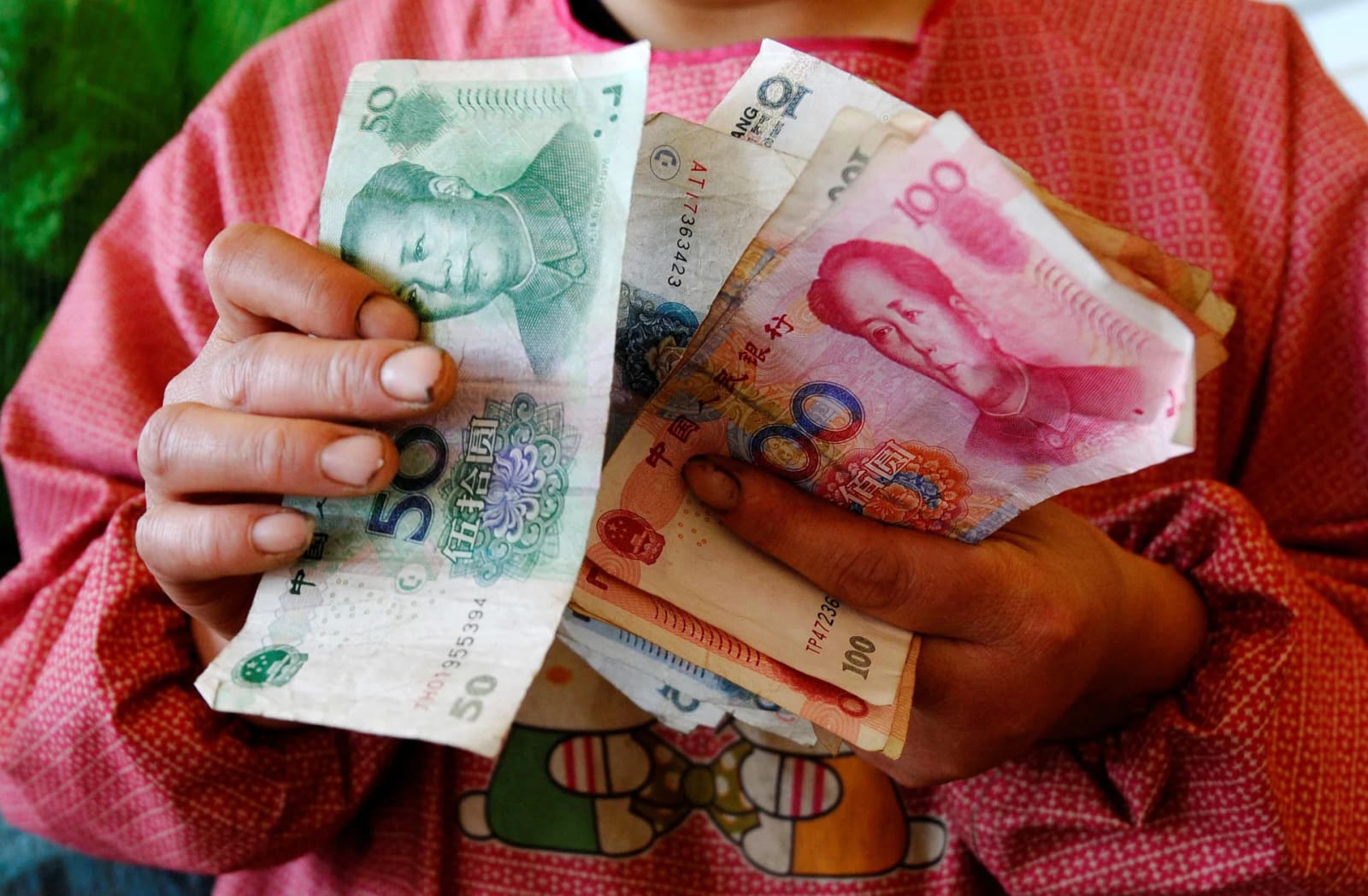
The renminbi is no longer confined to cross-border invoicing in Southeast Asia. Multinational corporations are now weaving the currency into treasury operations, debt issuance and liquidity management, a transition that reflects evolving financial calculus rather than government directives.
Standard Chartered identified this shift in its assessment of regional currency flows. Karen Ng, the bank's head of China opening and renminbi internationalisation, noted that corporate treasurers are evaluating the yuan against practical benchmarks: foreign-exchange savings, funding-cost arbitrage and alignment between revenue streams and financing instruments. This commercial framing has gained visibility over the past two to three years, moving beyond earlier adoption patterns that clustered around Chinese state-owned enterprises and their immediate suppliers.
Singapore Airlines demonstrated this trajectory in June when it issued 1.5 billion yuan in five-year bonds at 2.38 per cent, tapping the offshore dim sum market for the first time. The transaction attracted oversubscription from investors seeking exposure to high-grade non-Chinese issuers, according to Standard Chartered. For the airline, the move served to diversify its funding sources alongside existing US dollar and Singapore dollar programmes, illustrating how the renminbi is entering corporate finance discussions as a strategic channel rather than a pure cost play.
Sector Patterns and Multinational Momentum
Adoption remains concentrated in industries with direct exposure to Chinese supply chains: manufacturing, electronics, metals and mining, energy, logistics and infrastructure. In commodities and energy, where China absorbs the largest share of output, Standard Chartered is observing multinational companies exploring renminbi settlement with their Chinese counterparties, particularly when revenues from that market are substantial.
Ng identified multinational corporations as the likely engine of the next growth phase. Chinese enterprises already access competitive onshore renminbi funding, leaving limited room for international banks to compete on price alone. Instead, opportunities lie with multinationals that generate China-linked revenues, procure from Chinese suppliers or hold investments in the country, yet manage treasury decisions from regional hubs outside the mainland.
Current adoption in Southeast Asia varies by economy. Singapore functions as a regional intermediary, hosting treasury centres that manage renminbi flows generated elsewhere in the region through financing, hedging and capital-market transactions. The city-state appointed a second renminbi clearing bank in December 2025, reinforcing its infrastructure for cross-border yuan activity.
Malaysia's electronics, machinery and industrial sectors are expanding renminbi usage in line with procurement from China. Many Malaysian corporates already carry renminbi payables, making yuan-denominated financing a natural extension, according to Standard Chartered.
Thailand's automotive, electronics and tourism sectors maintain deep operational ties with China, and investments in electric-vehicle manufacturing and industrial parks may gradually lift renminbi usage across procurement and financing activities.
Indonesia's commodity exports and Chinese investment in nickel processing, EV battery supply chains and infrastructure projects are creating trade flows where the yuan could assume a larger role over time.
The Structural Gap
Despite China accounting for nearly one-fifth of global trade, the renminbi represented only 3.1 per cent of worldwide payments in July 2026, according to SWIFT data. The currency ranks fifth in SWIFT's payment network, though the People's Bank of China classifies it as the third-largest in trade finance and payments globally.
Standard Chartered's March report, Renminbi in motion for corporates, characterised this divergence between China's economic weight and the yuan's financial footprint as a persistent misalignment. Many companies hold operational renminbi exposure that has yet to be deliberately structured into treasury frameworks, creating inefficiencies and unmanaged risk over time.
The primary barrier to adoption is not funding cost but the presence of natural renminbi cash flows, Ng explained. When a company earns yuan revenues and incurs yuan expenses, the business case is straightforward. If revenues remain dollar-denominated while financing shifts to renminbi, hedging costs can erode the funding advantage. Treasury decisions therefore hinge on each firm's revenue mix, payment infrastructure, clearing efficiency and internal policies.
Industry Ecosystems Over Single Products
Ng expects the next wave of renminbi internationalisation to be driven by industry ecosystems rather than isolated transactions. Supporting an end-to-end yuan value chain, spanning trade settlement, treasury management, working capital, liquidity management and capital markets, offers a more comprehensive opportunity than individual loans or invoices.
This ecosystem approach aligns with the broader maturation of the offshore renminbi market, which now provides access to a differentiated investor base and complements existing dollar and local-currency funding programmes. As corporates reassess their currency exposures and financing structures, the yuan is transitioning from a niche settlement tool into a component of regional treasury architecture.
RELATED STORIES
USD-CNY Overtakes Hong Kong Dollar Trading in Historic Shift
Cheng Wei-Lun · 3 min
China-US Bond Yield Gap Reaches Two-Decade Peak
Cheng Wei-Lun · 3 min

China's Social Security Fund Doubles Offshore Holdings to $86 Billion
Jun-ho Seo · 3 min
India's Chinese Import Bill Climbs Despite Self-Reliance Push
Priyanka V. Rao · 3 min
Spot something wrong? Email editor@briefasia.com. We log every correction publicly.