Finance · Deals
FAW Set to Become Second-Largest Shareholder in GAC Group Through Asset Swap
The proposed share exchange would see China's state-owned automakers deepen ties as industry consolidation pressures mount across the world's largest car market.
KEY TAKEAWAYS
- ·Guangzhou Automobile Group signed a non-binding agreement with China First Automobile Group under which FAW would acquire newly issued GAC shares in exchange for a stake in an undisclosed vehicle joint venture, making FAW GAC's second-largest shareholder.
- ·China's passenger vehicle production capacity exceeds 40 million units while 2025 sales reached approximately 26 million, intensifying price competition and prompting Beijing to issue July 2026 guidelines encouraging mergers in strategic industries including automotive.
- ·The transaction requires approval from multiple regulators including the State-owned Assets Supervision and Administration Commission, and if completed may serve as a template for further consolidation among state-owned automakers such as BAIC, Changan, and Dongfeng.
The Deal Structure
Guangzhou Automobile Group announced late on 14 September that it had signed a non-binding letter of intent with China First Automobile Group covering a potential asset exchange. Under the proposed transaction, GAC would acquire a partial stake in a vehicle joint venture currently held by FAW. In return, FAW would receive newly issued GAC shares, positioning it as the second-largest shareholder in the Guangzhou-based automaker.
Neither company disclosed the identity of the joint venture asset in question, nor did they reveal the proposed valuation or the precise equity stake FAW would ultimately hold in GAC. The agreement remains preliminary; binding documentation and regulatory approvals have yet to materialise.
Why This Matters
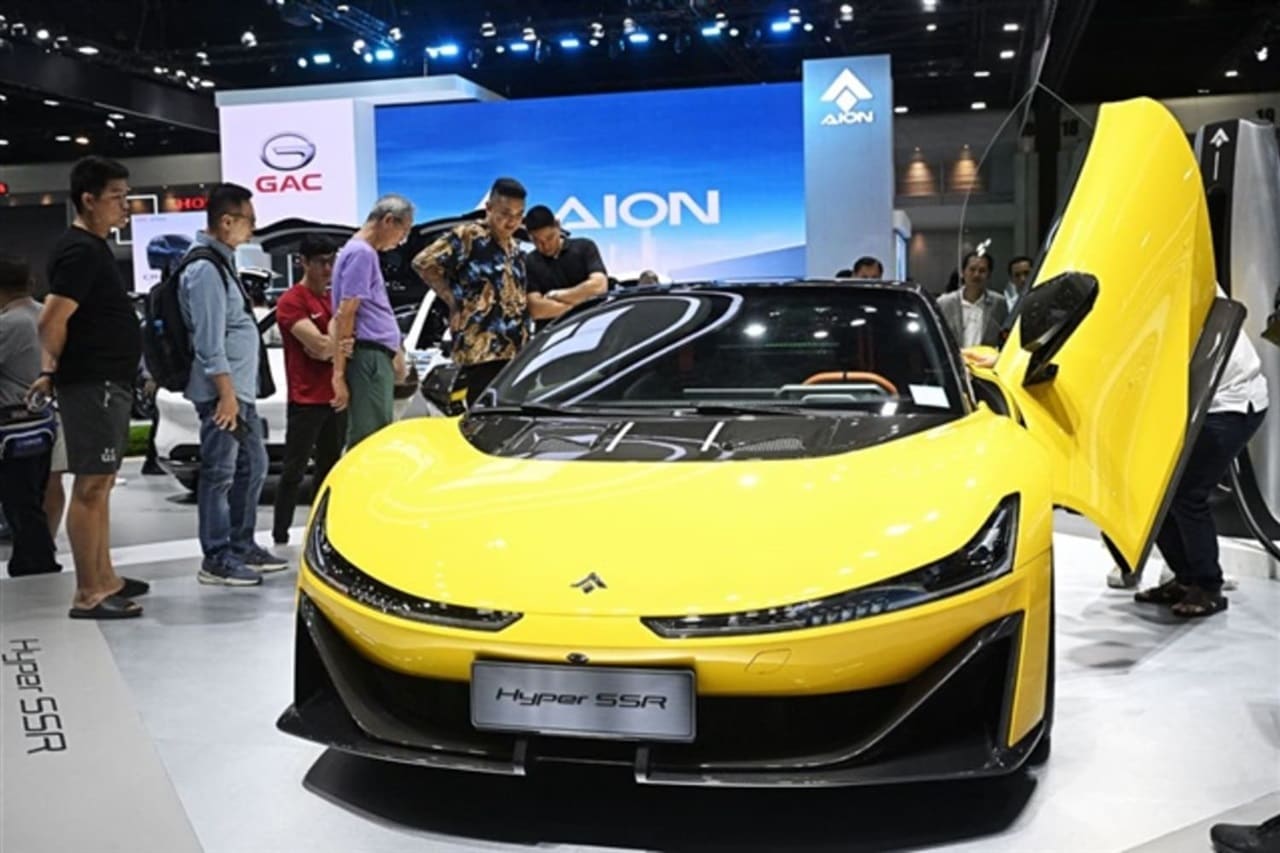
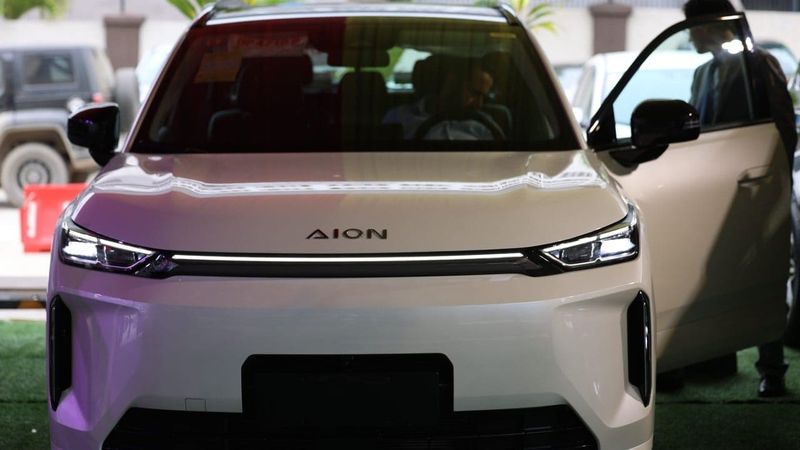
The arrangement marks a notable shift in ownership among China's state-owned automotive giants. GAC Group operates joint ventures with Toyota, Honda, and Stellantis, alongside its own Trumpchi and Aion electric vehicle brands. FAW, headquartered in Changchun, partners with Volkswagen, Audi, and Toyota, and produces the Hongqi luxury marque. A direct equity link between the two would create a more integrated network of assets spanning multiple foreign partnerships and domestic nameplates.
China's passenger vehicle market has entered a phase of structural oversupply. Domestic production capacity exceeds 40 million units annually, yet sales in 2025 reached approximately 26 million vehicles. Price competition has intensified, particularly in the electric and plug-in hybrid segments, where more than 100 brands vie for market share. Consolidation has long been discussed as a remedy, though progress has been slow due to the fragmented ownership of automakers across provincial governments.
Consolidation Pressures
The GAC-FAW announcement arrives amid renewed calls from Beijing for rationalisation. In July 2026, the State Council issued guidelines encouraging mergers and restructuring within strategic industries, explicitly naming automotive manufacturing. Provincial authorities, which control most state-owned carmakers, have historically resisted ceding influence, but slowing revenue growth and mounting losses at smaller producers are shifting the calculus.
Several mid-tier manufacturers reported negative operating margins in the first half of 2026. Inventory levels at dealerships reached 2.8 months of sales in August, well above the 1.5-month threshold considered healthy. Export growth, which had offset domestic weakness in 2024 and 2025, decelerated sharply in the second quarter of 2026 as tariffs and local content requirements took effect in key markets including the European Union and Southeast Asia.
What Comes Next
The non-binding status of the agreement means either party can walk away. GAC and FAW must still negotiate a definitive share purchase agreement, conduct due diligence, and secure approval from the State-owned Assets Supervision and Administration Commission, the National Development and Reform Commission, and the State Administration for Market Regulation. The timeline for completion was not disclosed.
If the transaction closes, attention will turn to operational integration. Joint purchasing, shared platform development, and consolidation of research and development spending are the most commonly cited synergies in automotive mergers, though realising them across organisations with separate joint venture structures and brand portfolios has proved difficult in past attempts.
Market participants will also watch whether the GAC-FAW arrangement serves as a template for further tie-ups. At least three other state-owned automakers - BAIC, Changan, and Dongfeng - have been named in industry speculation about potential combinations, though none has announced formal talks. The degree to which Beijing is willing to override provincial interests will determine the pace and scale of any consolidation wave.
RELATED STORIES
Chinese Yuan Moves from Trade Lanes into Corporate Treasuries Across Southeast Asia
Cheng Wei-Lun · 3 min
GAC and FAW Explore Merger of Toyota Joint Ventures in China
Cheng Wei-Lun · 3 min
China-US Bond Yield Gap Reaches Two-Decade Peak
Cheng Wei-Lun · 3 min
China's Social Security Fund Doubles Offshore Holdings to $86 Billion
Jun-ho Seo · 3 min
Spot something wrong? Email editor@briefasia.com. We log every correction publicly.